Invisalign vs. Braces: Understanding the Real Cost Today
Deciding to straighten your teeth is a big step, not just for your smile, but for your wallet too. Many people wonder if the dream of perfectly aligned teeth is truly affordable, or if it’s an expense only a few can manage. When comparing Invisalign to traditional braces, the financial picture can seem complicated.
Both options offer excellent results, but they come with different considerations, including the upfront cost, maintenance, and the overall treatment experience. Understanding the breakdown of expenses helps you budget effectively and choose the best path for your unique situation. Let’s dig into what you can expect to pay for each.
Price Table
Here’s an estimated breakdown of typical costs associated with orthodontic treatment. Remember, these are ranges and actual prices vary significantly based on your location, the complexity of your case, your chosen provider, and the quality of materials/service.
| Item/Service | Estimated Range (USD) | Notes | |
|---|---|---|---|
| 💅 | Initial Consultation | $0 – $250 | Many orthodontists offer free consultations; some charge for a comprehensive exam. |
| 🦷 | Traditional Metal Braces | $3,000 – $7,500 | The classic choice, often the most economical. Includes all necessary appointments. |
| 🎨 | Ceramic or Lingual Braces | $4,000 – $8,500+ | Ceramic braces are less noticeable; lingual braces are placed behind teeth and are often the most expensive. |
| ✨ | Invisalign (Clear Aligners) | $3,500 – $8,000 | Pricing depends on the number of aligners needed and the complexity/duration of treatment. |
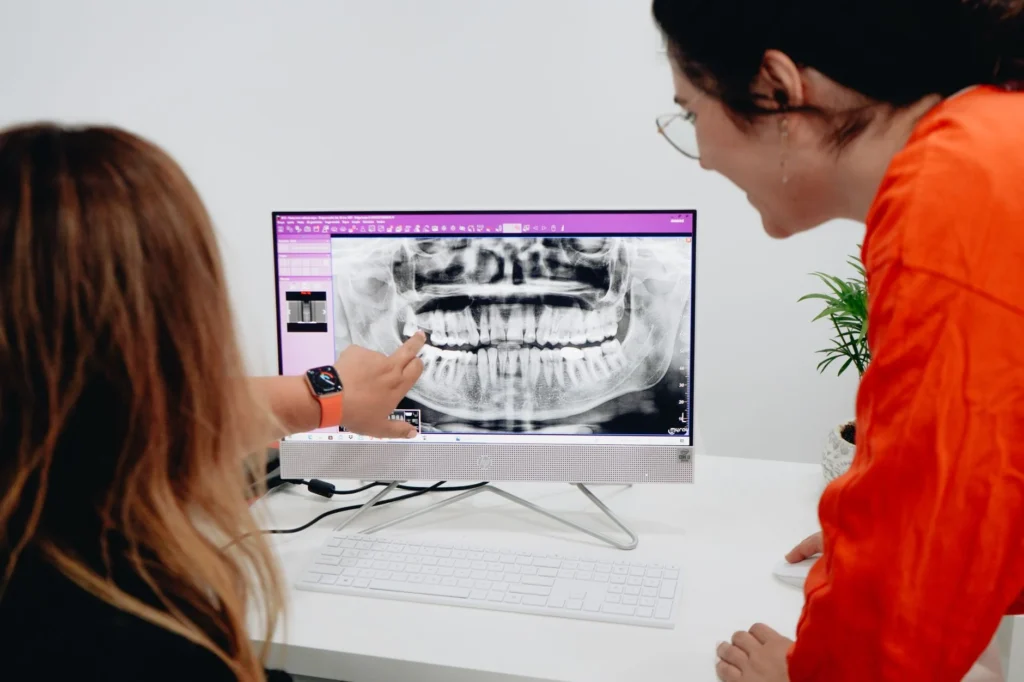
| 🔍 | X-rays & Diagnostic Records | $100 – $300 | Sometimes included in consultation or overall treatment fee; crucial for treatment planning. |
| 🩹 | Adjustments/Follow-up Visits | Included in total fee | Regular appointments are part of the full treatment package for both braces and Invisalign. |
| 🥹 | Oral Hygiene Kits | $50 – $150 | Special brushes, floss, and cleaning tools are often recommended or provided. |
| 📐 | Retainers (Post-treatment) | $200 – $1,000+ | Absolutely essential! Lifetime commitment. Cost can vary for removable vs. fixed retainers, and replacements. |
| ⚠️ | Emergency Visits | $0 – $200+ | Small adjustments/repairs may be included, but major damage could incur extra fees. |
| 💰 | TOTAL | $3,500 – $10,000+ | This range is a broad estimate for a complete treatment. |
Beyond the Sticker Price: Hidden Costs & Value
The quoted price for braces or Invisalign usually covers the orthodontic appliance, placement, adjustments, and a set of retainers. But it’s smart to look a little deeper. One common mistake people make is overlooking the ongoing commitment to retainers. Your teeth will try to shift back, so retainers are a lifelong requirement. Factor in the cost of potential replacements if yours get lost or damaged.
Consider your lifestyle too. Invisalign offers more flexibility with eating and oral hygiene, as aligners are removable. Traditional braces, while effective, require careful food choices and more meticulous cleaning around brackets and wires. This can sometimes mean investing in specialized oral hygiene products. While these aren’t huge costs, they add up over a year or two.
Making the Right Investment for Your Smile
Ultimately, the ‘best’ option isn’t just about the lowest price tag. It’s about what fits your budget, your lifestyle, and your oral health goals. Some practices offer discounts for paying upfront, while others have flexible payment plans that spread the cost over several months or even years. Don’t hesitate to ask about these options. Also, always clarify what’s included in the total treatment fee to avoid surprises later.
Frequently Asked Questions
Does insurance cover braces or Invisalign?
Many dental insurance plans offer some coverage for orthodontic treatment, especially for minors. Adult orthodontic coverage varies greatly. It’s crucial to check your specific plan details *before* starting treatment. Some plans might cover a percentage, while others offer a lifetime maximum benefit.
Can I use an HSA/FSA for orthodontic treatment?
Yes, orthodontic treatment is generally considered a qualified medical expense, meaning you can typically use funds from your Health Savings Account (HSA) or Flexible Spending Account (FSA) to pay for it. This can be a great way to save money pre-tax.
Are payment plans available?
Most orthodontic offices understand that treatment is a significant investment and offer various payment plans. These can include in-house financing with no interest, or arrangements through third-party medical financing companies. Always discuss payment options during your initial consultation.
Images sourced from Pexels.