
Fence Installation Costs 2026: The Real Cost of a New Fence
A new fence can transform your property in 2026, offering privacy, boosting security, and enhancing curb appeal. Whether you’re enclosing a yard for pets, defining property lines, or simply upgrading an old barrier, understanding the financial commitment upfront is crucial for any homeowner.
However, pinning down the exact cost of a fence project isn’t as simple as checking a single price tag. From the type of material you choose to local labor rates and any necessary site preparation, numerous variables can swing the final bill. Let’s break down what you can expect to pay for fence installation in 2026.

Estimated Fence Installation Costs in 2026
| Item/Service | Estimated Range (USD) | Notes | |
|---|---|---|---|
| 🤖 | Materials (per linear foot) | $15 – $100+ | Varies significantly by type: Chain link ($15-$30), Wood ($25-$60), Vinyl ($40-$80), Metal/Wrought Iron ($50-$100+) |
| 👷 | Labor (per linear foot) | $10 – $35 | Includes post setting, panel installation, and cleanup. Depends on fence type and complexity. |
| 🚲 | Site Preparation / Demolition | $200 – $1,500+ | Removal of old fence, clearing brush, leveling terrain. Can vary greatly with site condition. |
| 📜 | Permits & Inspections | $50 – $400 | Local requirements differ; essential for ensuring compliance and avoiding future issues. |
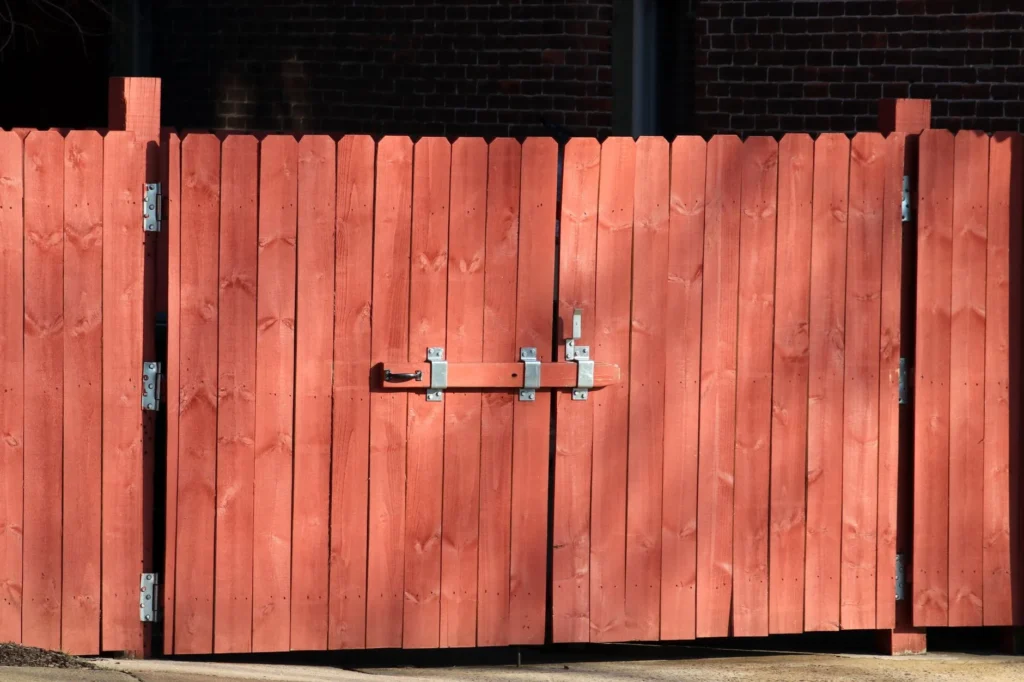
| 🔑 | Gates & Hardware | $150 – $1,500+ | Single pedestrian gates are cheaper; double-wide, custom, or automated gates cost more. |
| 🛠 | Project Management / Overhead | 5% – 15% of total | Covers contractor’s business costs and project coordination. |
| 💰 | TOTAL | $2,000 – $15,000+ | For a typical residential fence project (100-200 linear feet). |

These ranges are estimates for 2026. Actual costs will vary significantly based on your region, chosen materials, fence height, length, site conditions, and the specific contractor. Always obtain multiple quotes.
Key Factors Influencing Your Fence Project
Understanding what drives fence costs can help you make smarter decisions. It’s not just the sticker price of the materials; several elements contribute to the final investment.
Material Choices Matter
The type of fence material you select is arguably the biggest cost determinant. Chain link is generally the most budget-friendly option, offering security without high costs. Wood fences, a classic choice, offer natural aesthetics but require more maintenance and sit in a mid-range price bracket. Vinyl fencing provides durability and low maintenance at a higher upfront cost. For premium security and aesthetic appeal, metal fences like wrought iron or aluminum are at the top end of the spectrum.
Labor and Site Preparation
Skilled labor ensures a sturdy, long-lasting fence. Labor costs vary by region and the complexity of the installation. For instance, installing a fence on uneven terrain or around obstacles takes more time and expertise, driving up labor expenses. One common mistake people make is underestimating site preparation. If an old fence needs to be removed, or if the ground requires extensive clearing or leveling, those costs add up quickly. Rushing site prep often leads to higher costs down the line if the fence isn’t installed correctly.
Permits and Local Regulations
Before any digging begins in 2026, check with your local municipality. Many areas require permits for fence installation, especially for fences over a certain height or those bordering public land. These permits come with fees and might involve inspections to ensure compliance with local zoning laws and property line regulations. A common mistake is skipping permit checks, which can result in fines or forced removal. It’s always better to be compliant from the start.

Frequently Asked Questions About Fencing in 2026
How long does fence installation typically take?
For a standard residential fence of 100-200 linear feet, installation can take anywhere from 2 to 5 days. This depends heavily on the material, ground conditions, and crew size. More complex projects with extensive site prep or custom gates will naturally take longer.
Do I need to maintain my fence, and what are the costs?
Yes, most fences require some form of maintenance. Wood fences need staining or sealing every few years to prevent rot and weathering, costing a few hundred dollars. Vinyl and metal fences are low-maintenance, typically only requiring occasional cleaning with soap and water, which is a minimal expense.
Can I save money by installing a fence myself?
DIY installation can save significantly on labor costs, potentially cutting your total bill by 30-50%. However, it requires specific tools, time, and a good understanding of construction. Incorrect installation can lead to a weaker fence, voided material warranties, or even property disputes if property lines are misjudged. For larger or more complex projects, professional installation is often a wiser investment.
What’s the biggest factor affecting the total cost of a fence in 2026?
The material chosen for your fence is usually the largest cost driver. High-end materials like wrought iron or composite vinyl will have a significantly higher per-linear-foot cost than basic chain link or pressure-treated pine. Project length and height also play a major role, as more material and labor are required.
Images sourced from Pexels.