Current Car Wrap & Paint Protection: Your Ultimate Guide
Thinking about giving your ride a fresh look or shielding its factory paint from the elements? Car wraps and Paint Protection Film (PPF) are two popular options that offer fantastic benefits, but they come with different price tags and purposes. Understanding these differences is key to making a smart decision.
This guide breaks down the latest costs associated with these services, helping you budget effectively. We’ll cover everything from materials to installation, giving you a clear picture of what to expect when investing in your vehicle’s appearance and longevity.
Price Table
The following estimated ranges are for general guidance. Actual costs can vary significantly based on your location, the vehicle’s make and model, the chosen materials, and the installer’s expertise and reputation. Always get multiple quotes!
| Item/Service | Estimated Range (USD) | Notes | |
|---|---|---|---|
| 🎨 | Full Vehicle Wrap | $2,500 – $7,000+ | Material quality (vinyl type), vehicle size, complexity of design/color change. |
| 🖼️ | Partial Wrap (e.g., hood, roof, mirrors) | $500 – $2,500 | Smaller sections, often for accents or specific panel protection. |
| 🛡️ | PPF (Full Front End: Bumper, Hood, Fenders, Mirrors) | $1,500 – $4,000 | High impact areas for chip and scratch protection. |
| 🛡️ | PPF (Full Vehicle) | $4,000 – $10,000+ | Comprehensive protection for all painted surfaces, including doors and rear. |
| ✨ | Ceramic Coating (as add-on to PPF/Wrap or standalone) | $500 – $1,500 | Adds hydrophobic properties and enhanced gloss. Cost varies by duration (1-7 years). |
| 🛠️ | Paint Correction (Pre-Service) | $300 – $1,500+ | Essential for removing swirls, scratches, and imperfections before wrap/PPF application. Often overlooked! |
| 💲 | TOTAL (Typical Comprehensive Project) | $3,000 – $12,000+ | This reflects a full vehicle wrap or full front PPF, potentially with paint correction and/or ceramic coating. |
Wrap vs. PPF: Which is Right for You?
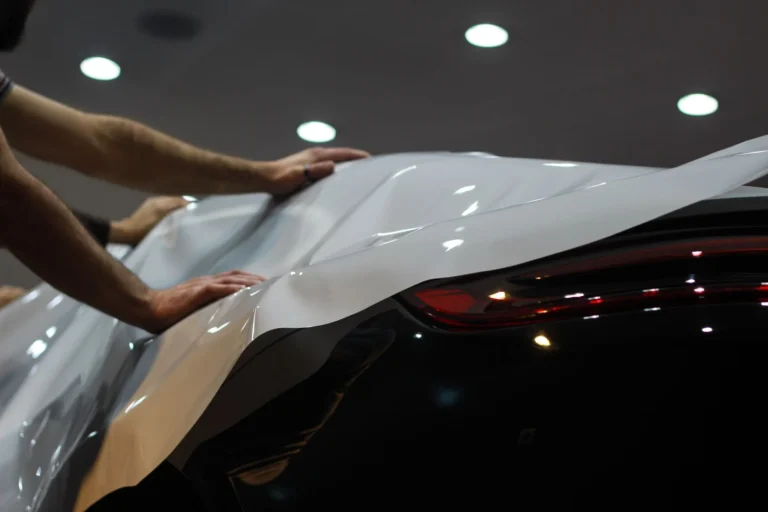
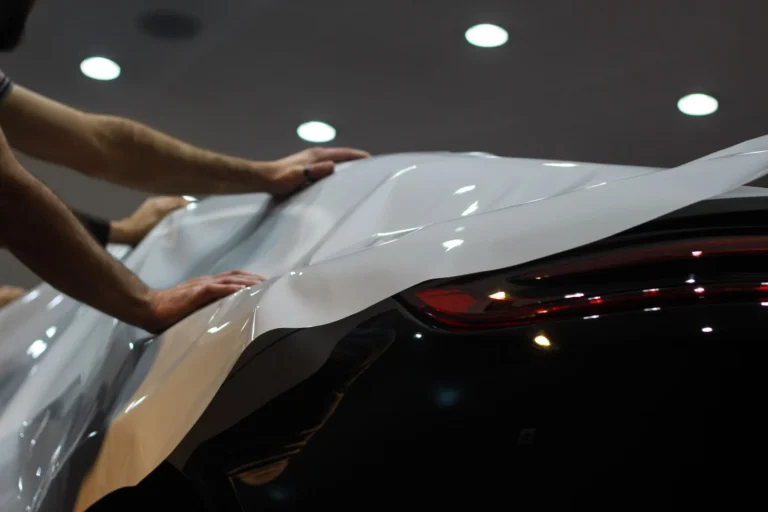
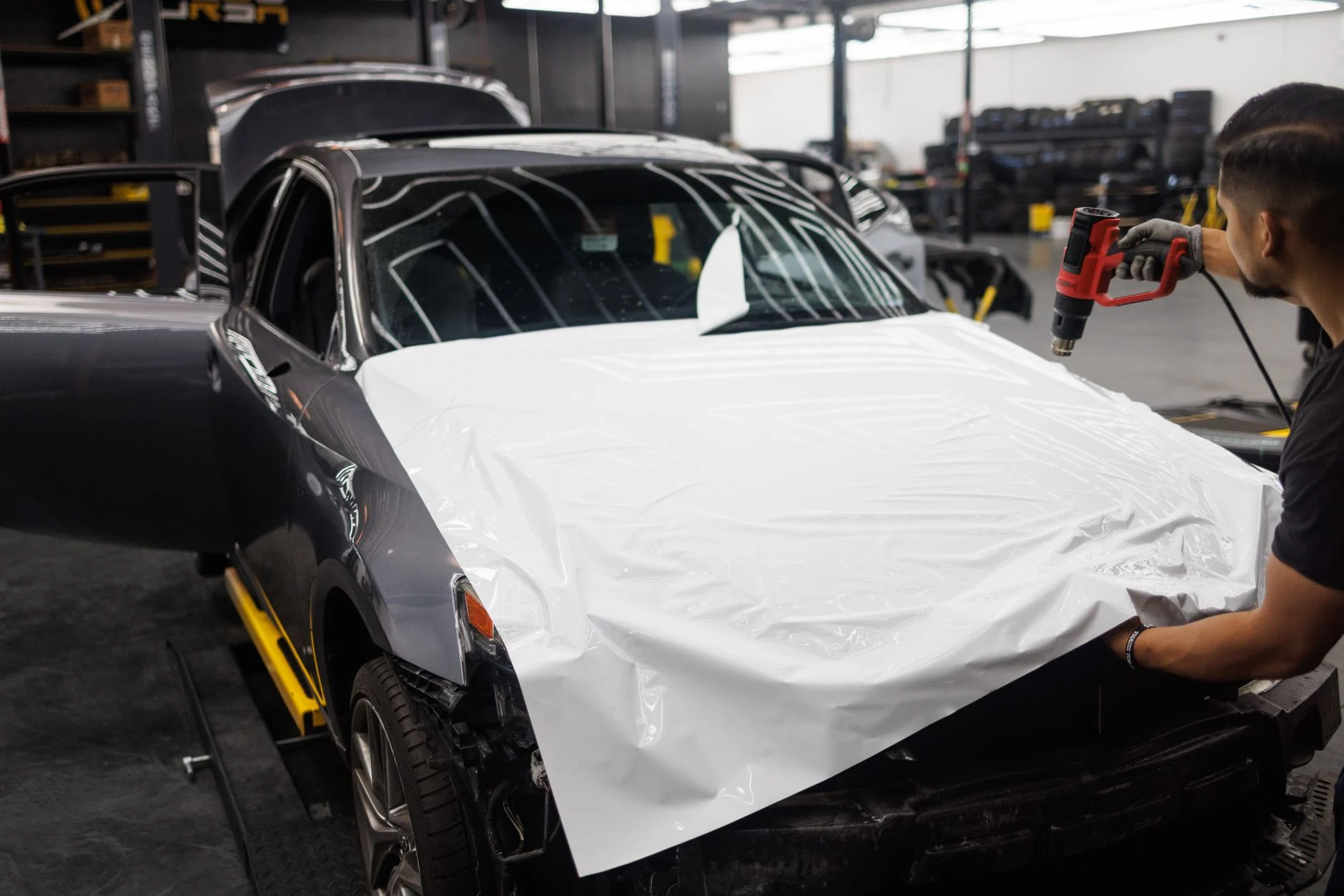
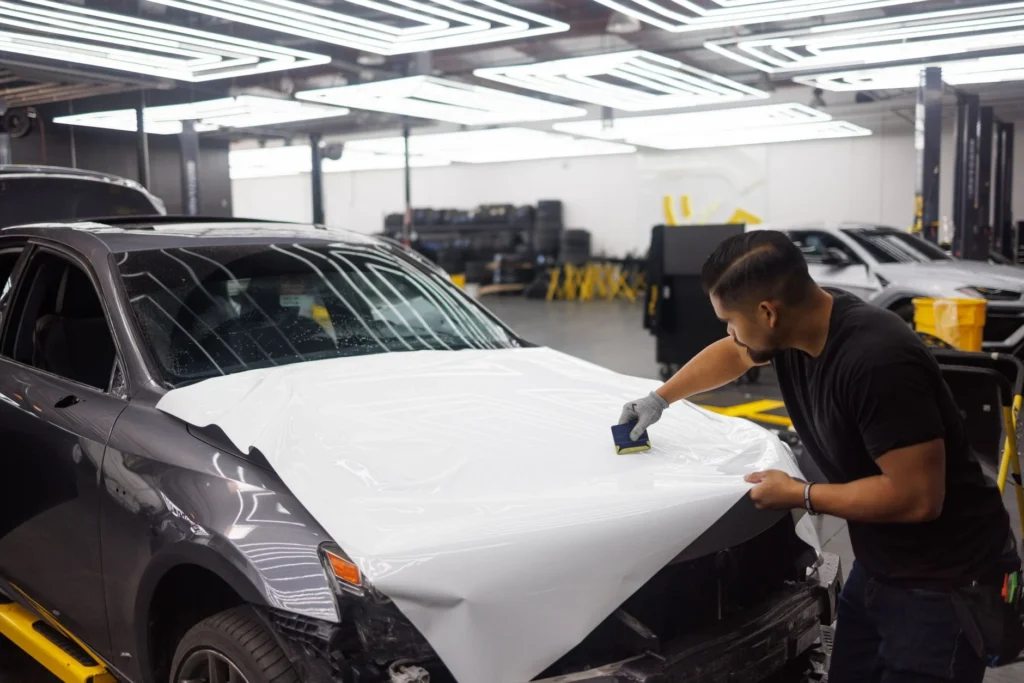
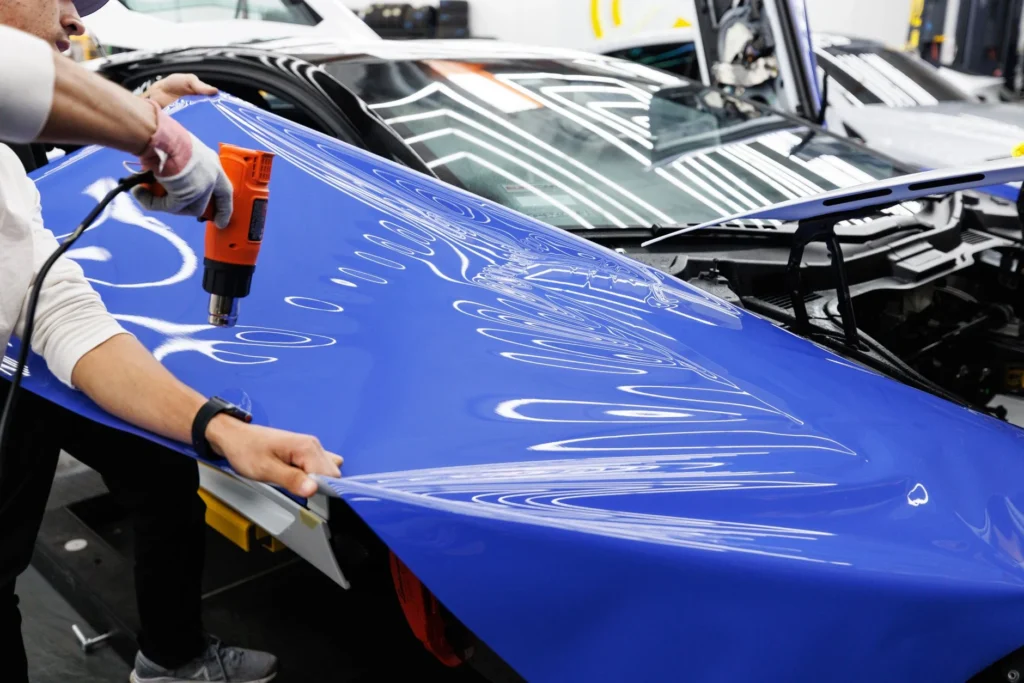
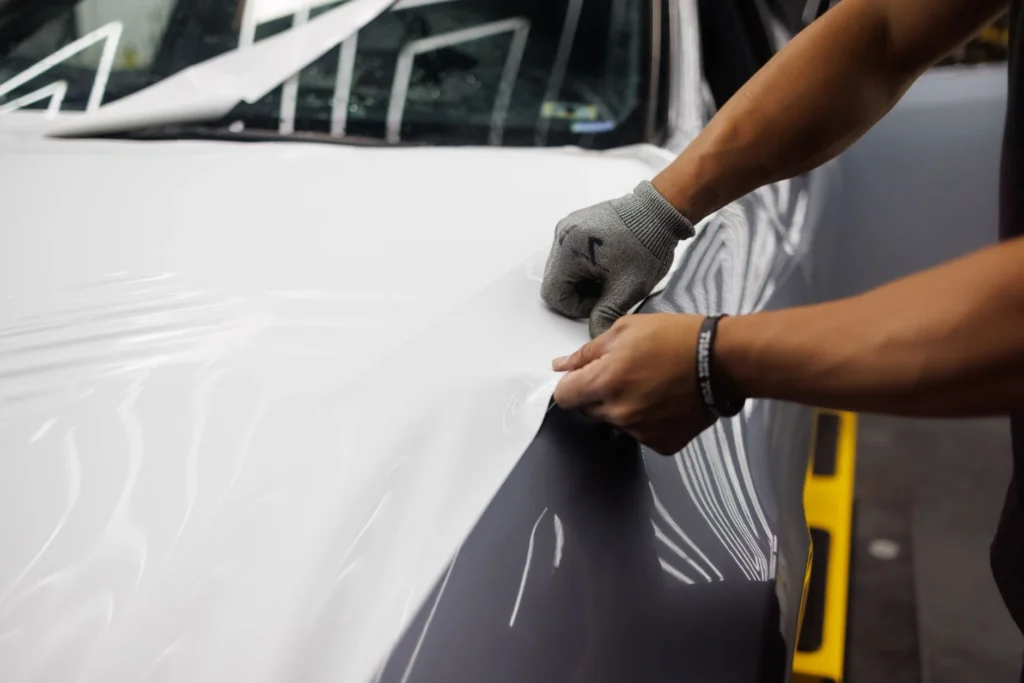
Choosing between a car wrap and Paint Protection Film boils down to your primary goal. A car wrap, typically made of vinyl, is primarily for aesthetics. It allows for a complete color change, custom graphics, or a matte finish without permanently altering your car’s original paint. It offers some basic scratch protection, but its main appeal is visual customization.
PPF, on the other hand, is a clear, self-healing urethane film designed specifically for protection. It’s incredibly durable against rock chips, scratches, swirl marks, and even minor abrasions. While it’s virtually invisible, its value comes from preserving your vehicle’s factory paint and, by extension, its resale value. If you love your car’s current color but want serious defense, PPF is the way to go.
Key Factors Influencing Cost
The price you pay isn’t just a flat fee; several elements play a significant role. First, the material quality matters. Premium vinyls for wraps offer better durability and finish, while advanced PPF films come with self-healing properties and longer warranties. Naturally, these cost more.
Second, your vehicle’s size and complexity are huge factors. A compact car is quicker and easier to wrap or protect than a large SUV with intricate curves and bumpers. More surface area and challenging contours mean more material and labor. Finally, the installer’s expertise and location play a major role. Reputable shops with certified technicians in high-demand urban areas will typically charge more, but you’re paying for their skill and peace of mind.
Protecting Your Investment
Once you’ve made the investment, proper care is crucial. For wraps, avoid abrasive cleaners and pressure washing too close to edges. For PPF, regular washing with pH-neutral soap is usually sufficient. A common mistake people make, especially with PPF, is skipping necessary paint correction beforehand. Applying clear film over existing swirl marks or scratches means those imperfections are sealed in, often becoming more noticeable. Ensure your vehicle’s paint is in pristine condition before any application for the best results and to truly protect your investment.
Frequently Asked Questions
How long do car wraps and PPF last?
A quality car wrap can last anywhere from 3 to 7 years, depending on the material, exposure to elements, and maintenance. PPF typically lasts longer, with many modern films guaranteed for 5 to 10 years.
Can I remove them myself?
While technically possible, it’s generally recommended to have wraps and PPF professionally removed. DIY removal can be tricky, potentially leaving adhesive residue or even damaging the underlying paint if done incorrectly, especially with older films.
Does it damage the original paint?
When installed and removed correctly by a professional, both car wraps and PPF are designed not to harm your original factory paint. In fact, they protect it from UV rays, minor abrasions, and environmental contaminants, helping preserve its condition.
Images sourced from Pexels.