Transmission Rebuild: Understanding the Current Cost & Value
When your vehicle’s transmission starts acting up, it can be a concerning and often costly experience. Before jumping to conclusions about a complete replacement, a transmission rebuild often presents a viable and cost-effective alternative for many drivers.
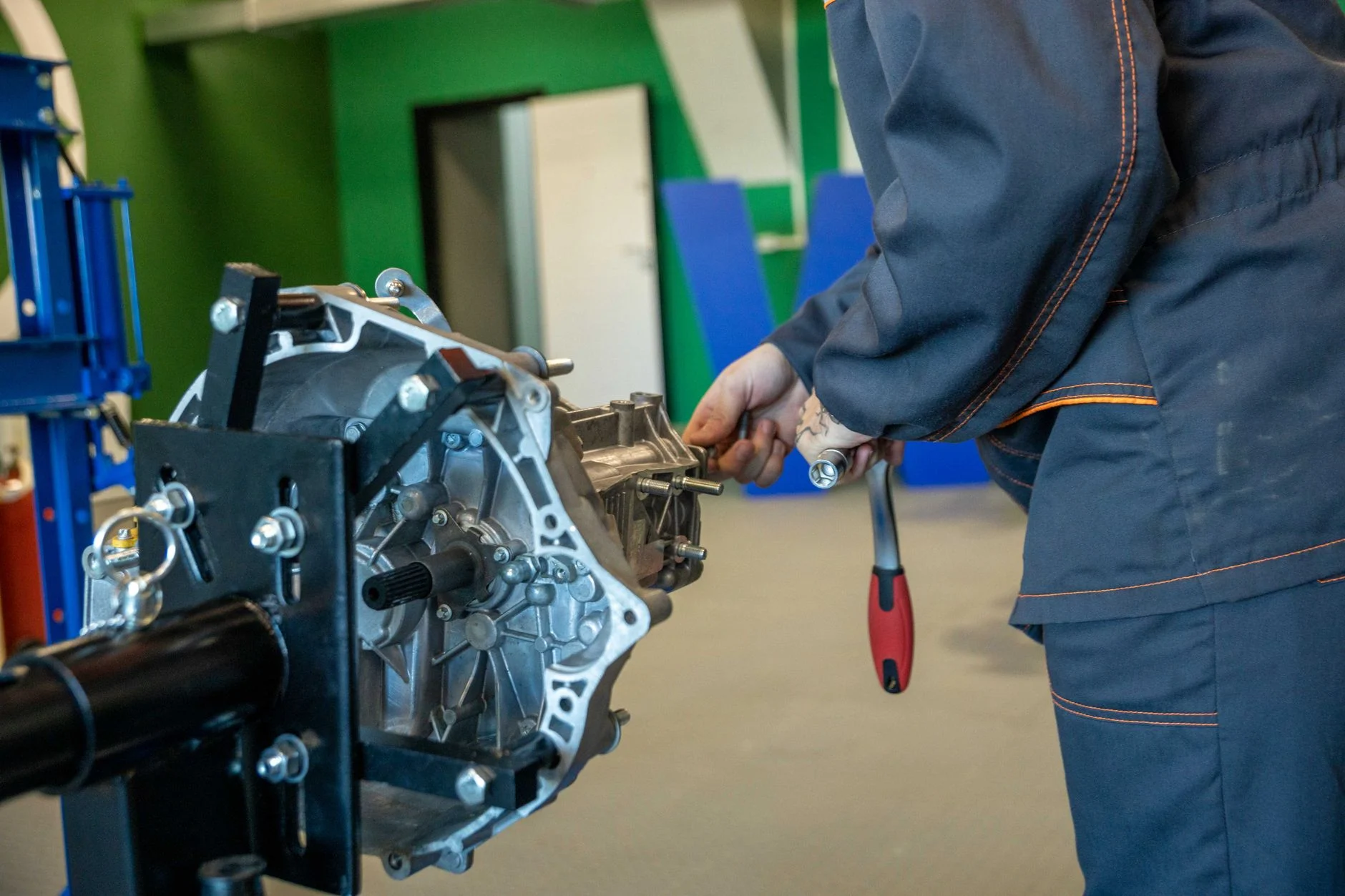
A rebuild involves carefully disassembling the transmission, inspecting all components, replacing worn or damaged parts with new ones, and then meticulously reassembling it. This process can give your transmission a new lease on life, but understanding the current costs and what goes into that price tag is crucial for making an informed decision.
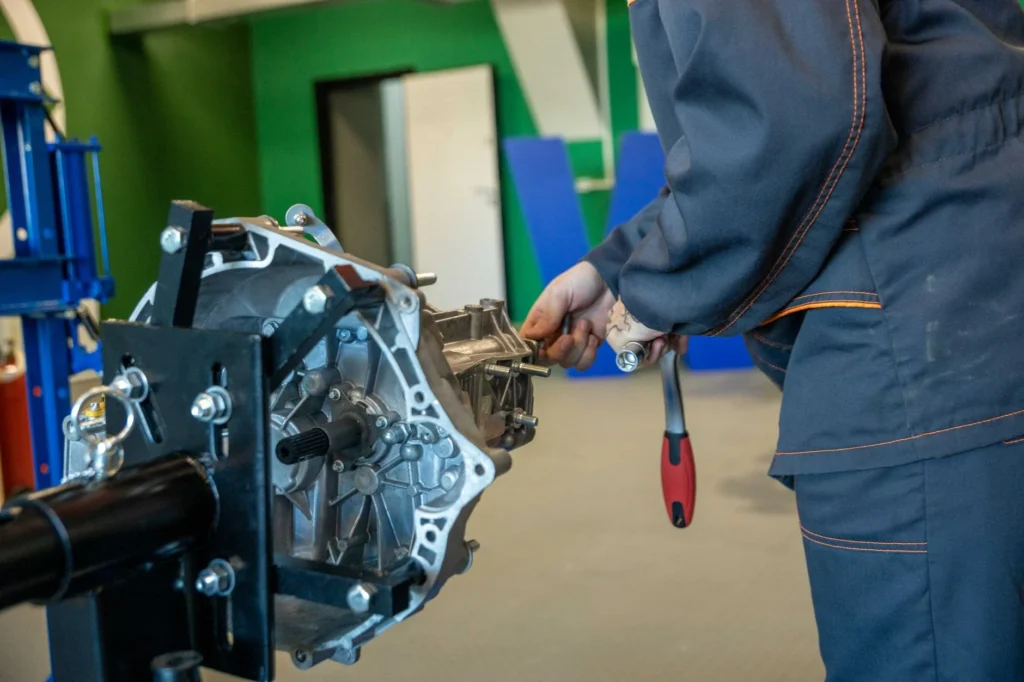
Current Transmission Rebuild Costs: A Breakdown
| Item/Service | Estimated Range (USD) | Notes | |
|---|---|---|---|
| 🔍 | Initial Diagnosis & Removal | $150 – $400 | Essential to determine the extent of damage and ensure a rebuild is feasible. |
| 🛠️ | Labor (Disassembly, Reassembly, Testing) | $900 – $1,600+ | Highly dependent on shop rates, transmission complexity, and regional labor costs. |
| 📦 | Standard Parts Kit (Clutches, Seals, Gaskets, Filters) | $350 – $900 | Core components for a comprehensive rebuild. Quality (OEM vs. aftermarket) impacts price. |
| ⚙️ | Hard Parts (Gears, Shafts, Torque Converter, Valve Body) | $250 – $1,500+ | Replaced only if damaged beyond repair. Can significantly increase the total if major components are needed. |
| ✨ | Cleaning & Machining | $100 – $450 | Cleaning the transmission case and internal components, minor machining if needed. |
| 💧 | Fluids & Filters (Post-Rebuild) | $75 – $200 | New, high-quality transmission fluid is critical for performance and longevity. |
| 🧪 | Final Testing & Road Test | $100 – $350 | Ensures proper function and calibration post-rebuild. |
| 💰 | TOTAL | $1,925 – $5,400+ | Prices can vary significantly based on vehicle make/model, geographic location, shop reputation, and the extent of required repairs. Always get multiple quotes. |
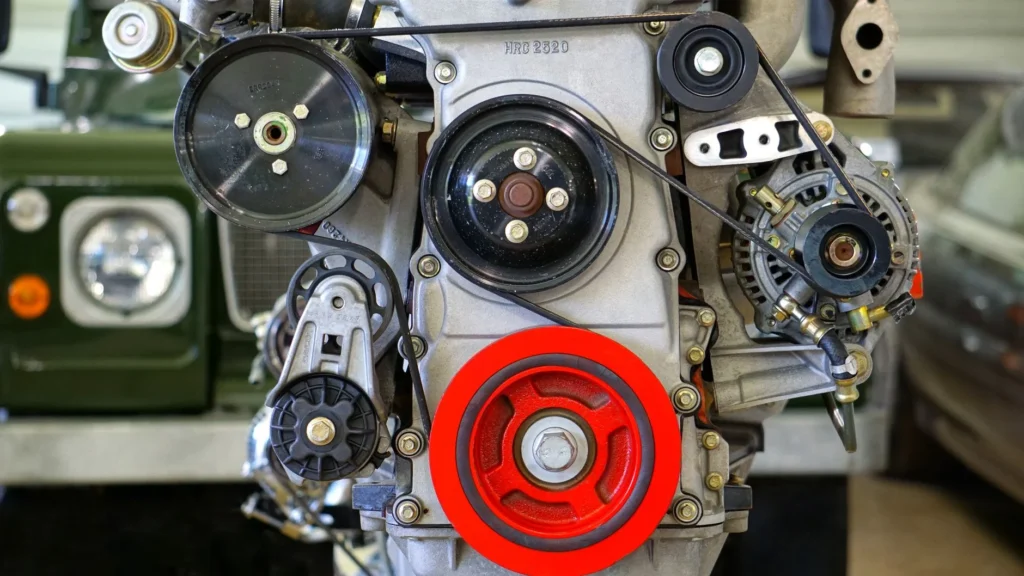
What Influences the Final Cost?
The price range for a transmission rebuild can be quite broad, and several factors play a significant role. Your vehicle’s make and model, for instance, heavily influence the complexity and cost of parts. A domestic sedan might be on the lower end, while a luxury European SUV will naturally incur higher expenses. The type of transmission – automatic vs. manual, or specialized units like CVTs – also impacts labor and parts availability.
The extent of the damage is perhaps the biggest variable. If only soft parts (like seals and clutches) are worn, the cost stays relatively contained. However, if hard parts like gears, shafts, or the torque converter are compromised, the price can climb quickly. A common pitfall is opting for the cheapest parts available; while it might save a few dollars upfront, the longevity and reliability can suffer significantly, potentially leading to another repair sooner than you’d like. Always discuss parts quality with your mechanic.
Rebuild vs. Replacement: Making the Right Call
Deciding between a transmission rebuild and a full replacement is a critical choice. A rebuild is often the more economical option, particularly if the transmission casing is sound and only specific internal components are worn. It’s an excellent choice for keeping your original transmission, which can be important for classic cars or those with sentimental value.
However, a replacement (either with a new or re-manufactured unit) might be better if the transmission case is severely damaged, if the rebuild cost approaches or exceeds the replacement cost, or if you need the quickest turnaround possible. When comparing shops, don’t just look at the bottom line. A good warranty on both parts and labor can offer invaluable peace of mind and often outweighs a slightly lower initial quote from a less reputable provider.
Value Beyond the Price Tag
While the initial cost is a major consideration, a professional transmission rebuild offers significant value. It can extend the life of your vehicle by many years, restoring its original performance and reliability. Investing in a quality rebuild can be far more cost-effective than taking on new car payments, especially if the rest of your vehicle is in good condition.

Frequently Asked Questions
How long does a transmission rebuild typically take?
The process usually takes 3 to 5 business days, depending on the complexity of the transmission, parts availability, and the shop’s workload. More extensive damage or specialized transmissions can take longer.
Does a rebuilt transmission come with a warranty?
Reputable shops almost always offer a warranty on their transmission rebuilds, typically ranging from 1 to 3 years or 12,000 to 36,000 miles. Always clarify the warranty terms before agreeing to service.
Is rebuilding my transmission a good idea for an older car?
For many older cars, a rebuild can be an excellent investment, especially if the engine and chassis are still in good shape. It allows you to keep a vehicle you like without the high cost of a new car.
Images sourced from Pexels.