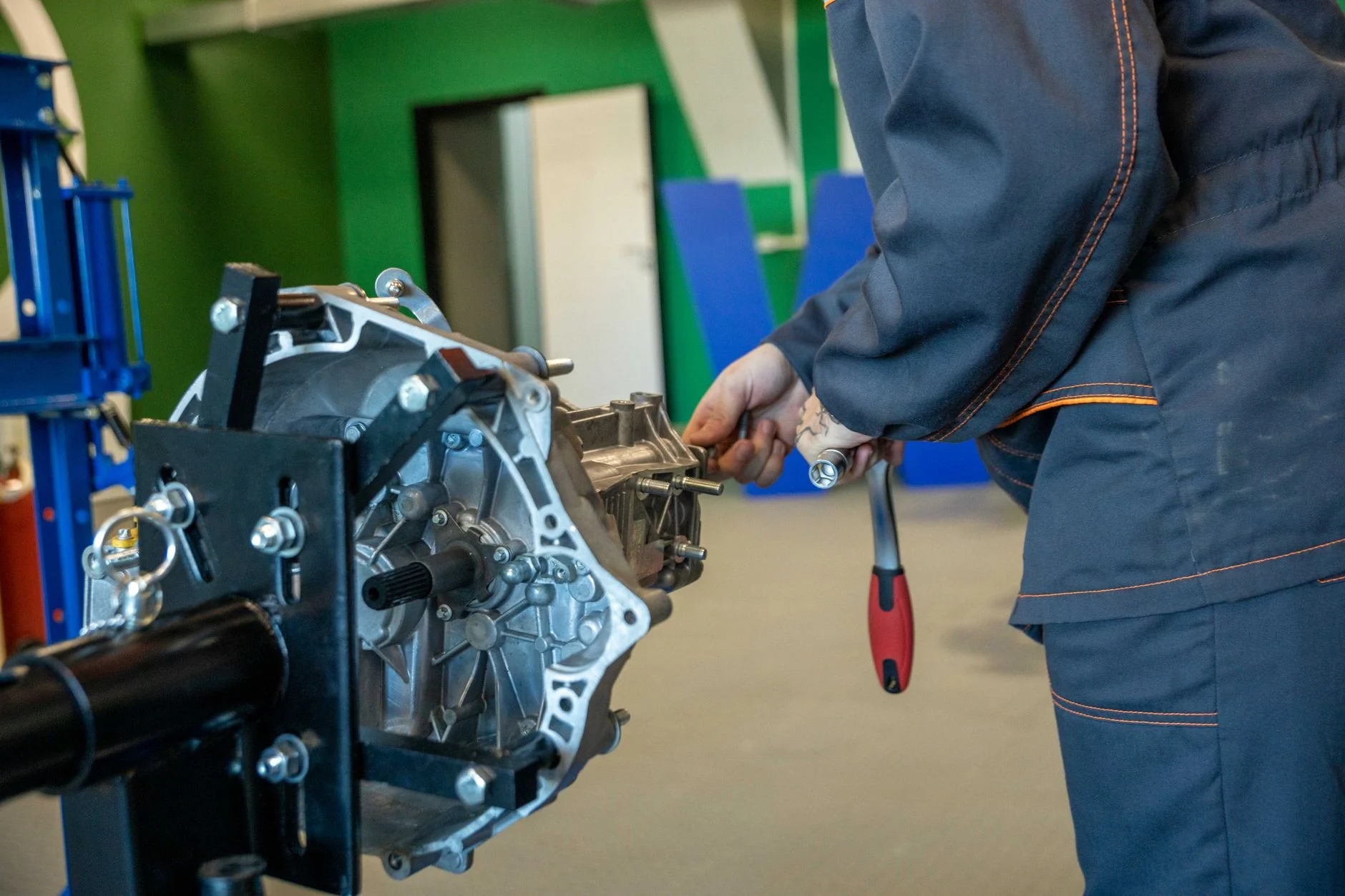
The Real Cost of a Transmission Rebuild: Current Prices Explained
When your vehicle’s transmission starts acting up, it’s often a major concern – and a potential financial headache. A transmission rebuild is one common solution, offering a new lease on life for your car’s critical gear-shifting component. But what does that really mean for your wallet?
Understanding the actual costs involved in a transmission rebuild can help you budget, make informed decisions, and avoid unexpected expenses. It’s more than just a single price; it’s a breakdown of labor, parts, and expertise. Let’s delve into what you can expect in current market prices.
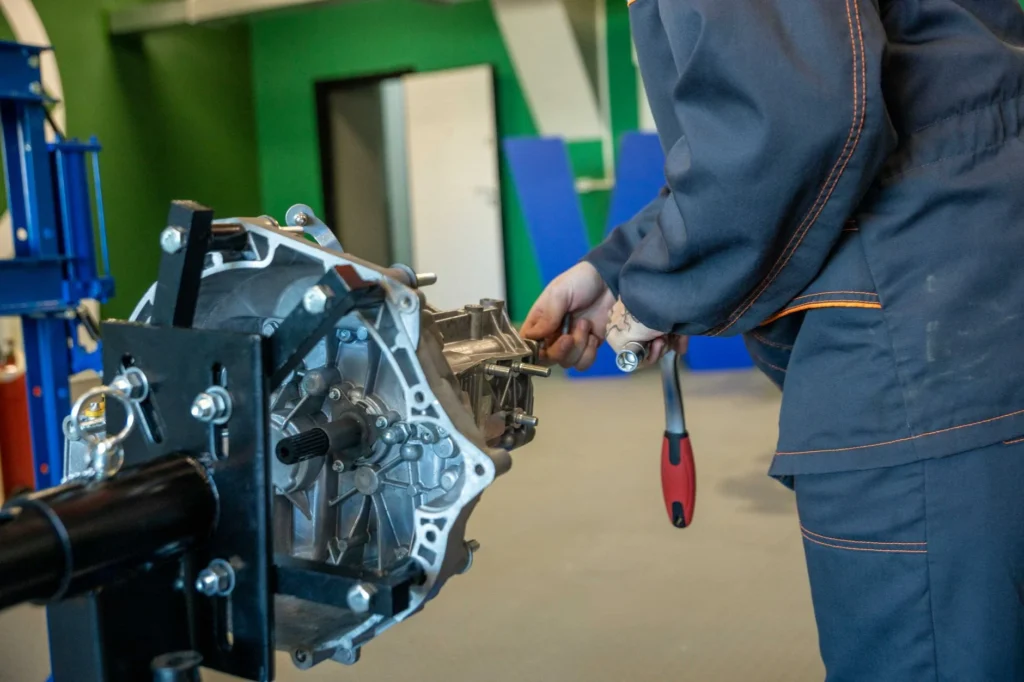
Current Transmission Rebuild Cost Breakdown
The following table provides estimated ranges for the various components and services involved in a standard transmission rebuild. Keep in mind, these are current estimates and can fluctuate significantly based on your vehicle’s make, model, transmission type, the extent of damage, your location, and the specific repair shop.
| Item/Service | Estimated Range (USD) | Notes | |
|---|---|---|---|
| ⚙️ | Labor (Disassembly, Inspection, Reassembly) | $800 – $2,500 | Highly dependent on shop rates, complexity, and local labor costs. |
| 🔩 | Soft Parts (Gaskets, Seals, Clutches, Bands) | $300 – $1,500 | These wear items are almost always replaced; cost varies by transmission type. |
| 🔧 | Hard Parts (Gears, Shafts, Valve Body, Torque Converter) | $400 – $2,000+ | Only if damaged; significantly increases the overall cost. |
| 🛢️ | Transmission Fluid & Filters | $100 – $350 | Essential for proper function post-rebuild; quality fluid is key. |
| 🔬 | Diagnostic Fees | $100 – $300 | Often absorbed into the repair cost if you proceed with the rebuild. |
| ➕ | Incidentals (Machining, Testing, Shop Supplies) | $150 – $600 | Could include cleaning, minor machining, or dynamometer testing for performance. |
| TOTAL | $1,850 – $7,250+ | These ranges reflect variability in labor, parts, and needed repairs. Always get multiple detailed quotes. |
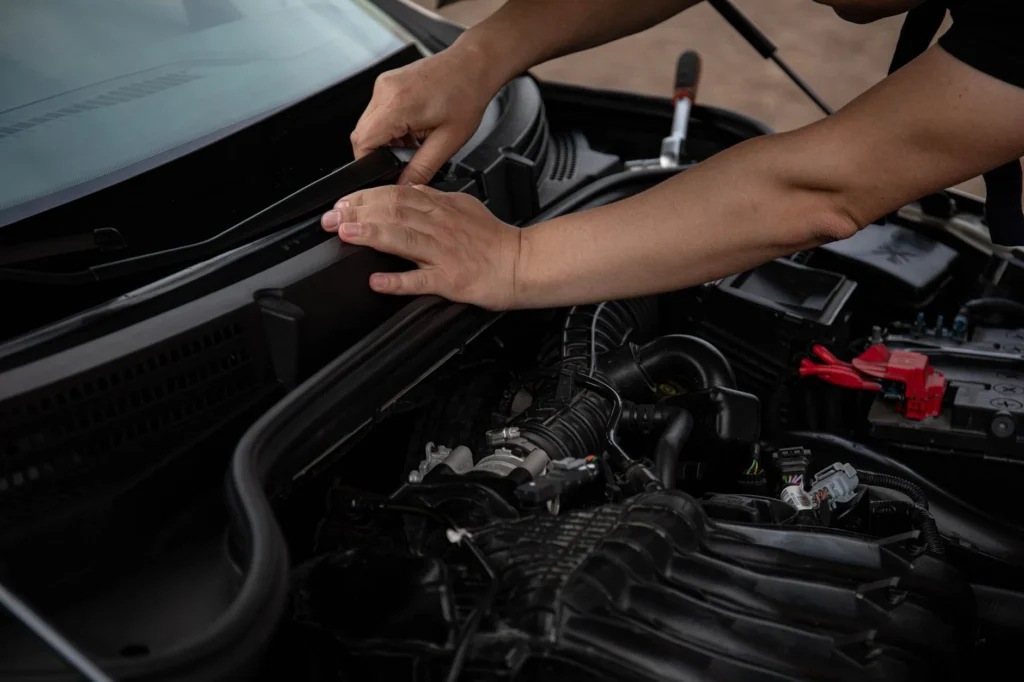
Disclaimer: These ranges are estimates for current prices and can vary significantly based on vehicle make/model, transmission type, shop location, and the extent of damage. Always get multiple quotes.
What Influences the Price Tag?
Several factors play a crucial role in determining the final bill for your transmission rebuild:
Vehicle Make and Model
Luxury cars, European models, or vehicles with specialized transmissions often require specific parts that are more expensive or harder to source, driving up costs.
Transmission Type and Complexity
Manual transmissions generally cost less to rebuild than complex automatic transmissions, especially those with advanced electronic controls or continuously variable transmissions (CVTs).
Extent of Damage
If only ‘soft’ wear parts (like gaskets and clutches) need replacing, the cost will be at the lower end. However, if ‘hard’ internal components (gears, shafts, or the torque converter) are severely damaged, prices can soar.
Shop Location and Reputation
Repair shops in metropolitan areas typically have higher labor rates than those in rural settings. Additionally, highly reputable shops, while potentially more expensive, often offer superior quality and warranties.
Rebuild vs. Replacement: Making the Right Call
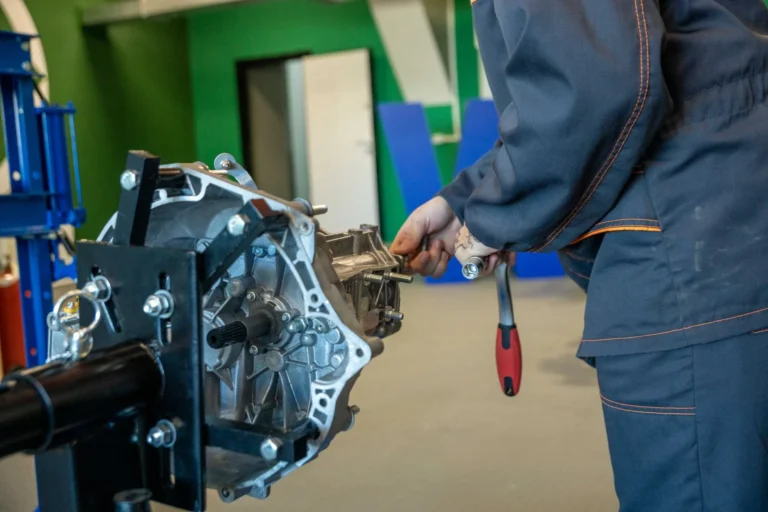
One common dilemma car owners face is whether to rebuild their existing transmission or opt for a complete replacement (either new or remanufactured). A rebuild typically reuses the original casing and replaces worn internal components. A replacement means installing an entirely different transmission unit. Generally, a rebuild is a more cost-effective option if the core casing and hard parts are in good condition.
However, if your transmission has suffered catastrophic failure or extensive damage to multiple hard parts, a remanufactured (factory-rebuilt and tested) or new transmission might be a better long-term investment, often coming with a more extensive warranty. Don’t fall into the trap of only considering the upfront cost; think about the vehicle’s remaining lifespan and potential future issues.
Smart Strategies to Manage Rebuild Costs
Facing a transmission rebuild can be daunting, but smart planning can help ease the burden:
- Get Multiple Detailed Quotes: Don’t settle for the first quote. Get at least three written estimates from different reputable shops. Ensure each quote specifies what parts will be replaced and includes labor.
- Understand the Warranty: A good rebuild should come with a warranty covering both parts and labor. This typically ranges from 1 to 3 years or 12,000 to 36,000 miles. A shorter or non-existent warranty is a red flag.
- Ask About Core Charges: Sometimes a shop might offer a discount if they can salvage parts from your old transmission. Clarify if your quote includes any such core charges or credits.
- Preventive Maintenance: While not a direct cost-saver for a rebuild, regular transmission fluid changes and inspections can significantly extend your transmission’s life and potentially prevent the need for a costly rebuild altogether.

Frequently Asked Questions About Transmission Rebuilds
How long does a transmission rebuild typically take?
A standard transmission rebuild can take anywhere from 2 to 5 business days, depending on the complexity of your transmission, the extent of the damage, and the shop’s current workload.
Is a rebuilt transmission as good as new?
A high-quality rebuild performed by experienced technicians using quality parts can often perform comparably to a new transmission. The key is finding a reputable shop that offers a solid warranty on their work.
What are common signs my transmission needs attention?
Look out for slipping gears, delayed engagement, strange noises (whining, clunking, humming), a burning smell, grinding sensations, or visible fluid leaks. Addressing these issues early can sometimes prevent a full rebuild.
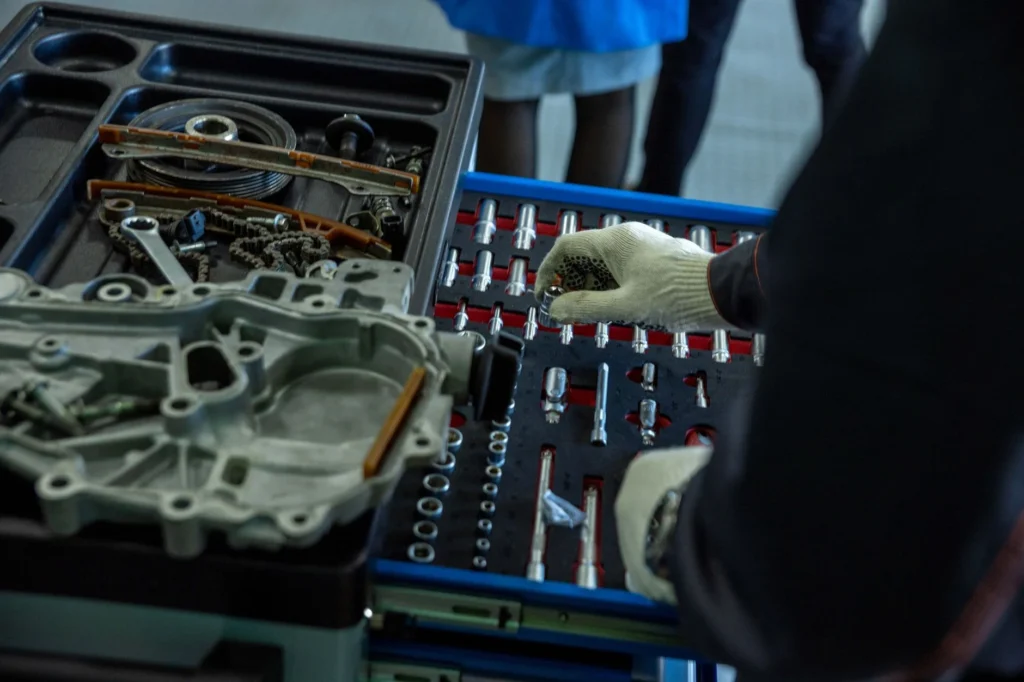
Images sourced from Pexels.