
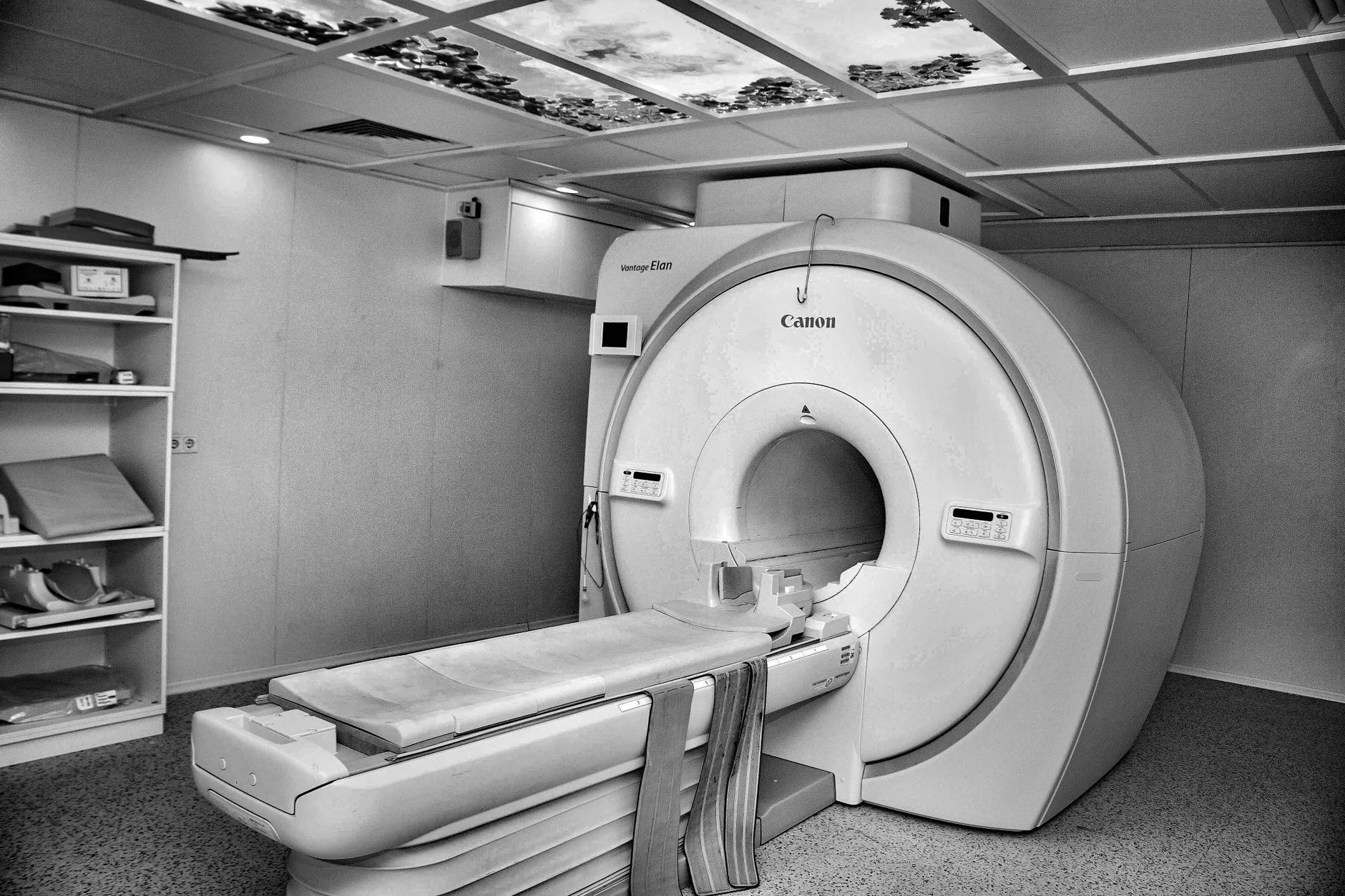
Updated 2026: Understanding Your MRI & CT Scan Cost
Navigating healthcare expenses can feel like a complex puzzle, even in 2026. When your doctor recommends an MRI or CT scan, the immediate priority is your health, but understanding the potential financial impact comes in a close second. These diagnostic tools are invaluable for pinpointing health issues, but their price tag can vary significantly.
Being prepared with knowledge about what influences these costs isn’t just smart; it’s essential for making informed decisions about your care. From pre-authorization requirements to choosing the right facility, a little foresight can prevent unexpected financial burdens down the road. Let’s break down what you can expect in the coming year.
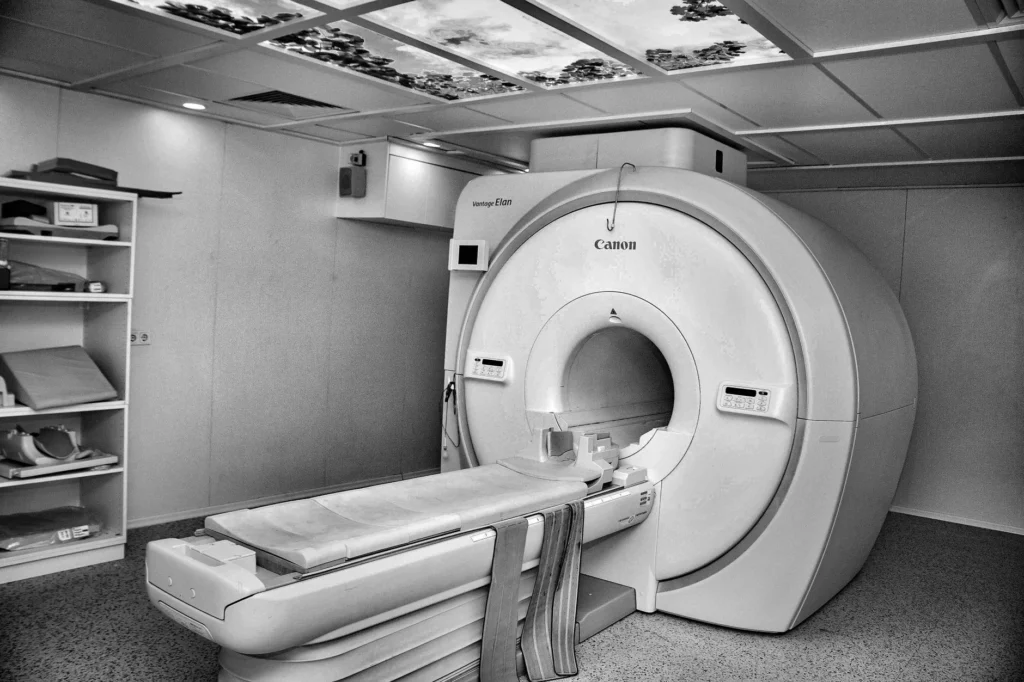
Price Table: Estimated MRI & CT Scan Costs (2026)
| Item/Service | Estimated Range (USD) | Notes | |
|---|---|---|---|
| ⚙️ | Base MRI Scan (e.g., knee, brain) | $1,500 – $7,500 | Pricing varies by body part, imaging complexity, and region. Hospital facilities typically higher. |
| 💡 | Base CT Scan (e.g., abdomen, head) | $700 – $4,000 | Generally less expensive than MRI. Cost depends on area scanned and urgency. |
| 💉 | Contrast Material (if required) | $150 – $600 | An additional charge for specific cases where contrast dye enhances image clarity. |
| 👨⚕️ | Radiologist Interpretation Fee | $250 – $1,200 | The charge for the specialist to read and interpret your images. Often bundled, but sometimes separate. |
| 🏥 | Facility Use Fee | $600 – $3,500 | Covers the operational costs of the imaging center or hospital department. Can be a major component. |
| TOTAL (Typical Full Procedure) | $1,800 – $10,000+ | This range reflects a complete MRI or CT scan, including facility, radiologist, and potentially contrast, but varies widely. |
Disclaimer: These are estimated ranges for 2026 and can vary significantly based on your geographic location, the specific imaging center or hospital, the complexity of the scan, and your insurance plan. Always confirm costs directly with your provider and insurer.
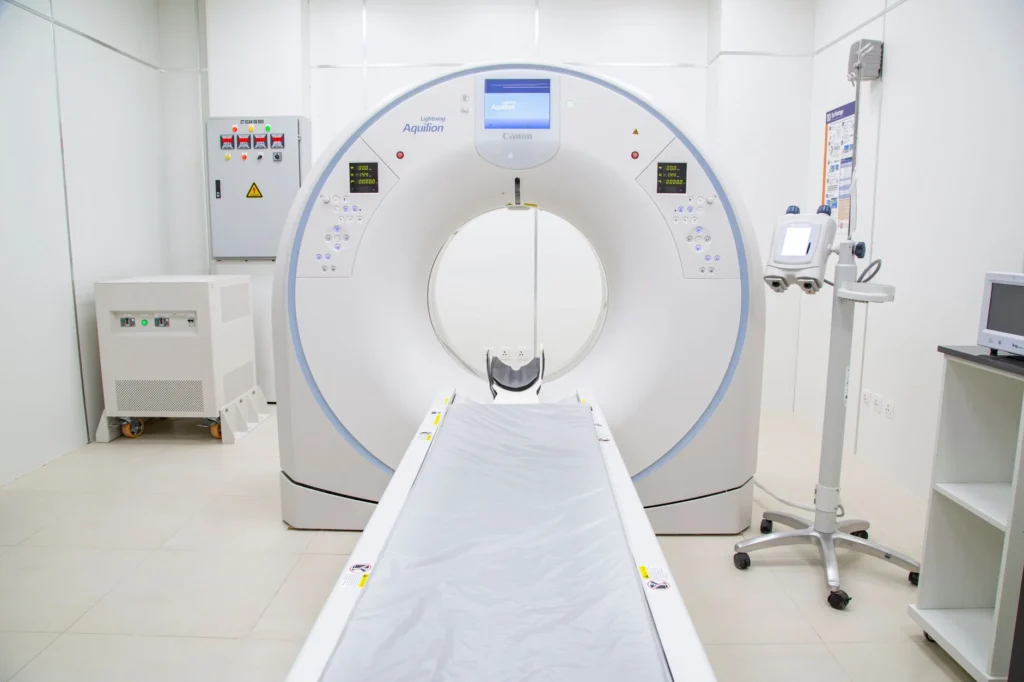
Factors Influencing Your Scan Cost
Several elements play a crucial role in the final bill. The most significant often include whether you opt for an outpatient imaging center versus a hospital. Outpatient facilities typically offer more competitive pricing due to lower overhead. The specific body part being scanned, the need for contrast material, and the urgency of the procedure also impact the cost. For example, a specialized cardiac MRI will naturally cost more than a routine head CT.
Smart Strategies to Save on Imaging
Don’t just accept the first quote. A common misstep people make is not shopping around. Call several imaging centers in your area, including independent outpatient facilities, to compare prices. Always ask for an ‘all-inclusive’ cash price if you’re uninsured or have a high deductible. Understanding your insurance plan’s specific coverage, deductibles, and co-pays for diagnostic imaging is paramount. Requesting an itemized bill can also help you spot potential errors or bundled services you might be charged for separately.
Frequently Asked Questions (FAQ)
Does insurance cover MRI/CT scans in 2026?
Most health insurance plans in 2026 do cover medically necessary MRI and CT scans, but the extent of coverage varies. You’ll likely be responsible for your deductible, co-insurance, or co-pay. Pre-authorization is almost always required by insurers to ensure the scan is deemed medically necessary before the procedure.
Is an outpatient facility cheaper for scans?
In the vast majority of cases, yes. Outpatient imaging centers generally have lower operating costs compared to hospital radiology departments, and they often pass those savings on to the patient. Always compare prices between hospital and independent facilities for the same scan.
Images sourced from Pexels.