Solar Panel Installation Cost 2026: The Real Price Tag Revealed
As we navigate 2026, the push for energy independence and sustainable living continues to make residential solar power an attractive investment. While the technology has matured and efficiency improved, understanding the true financial commitment is crucial before you commit to harnessing the sun’s power for your home.
It’s not just about the panels themselves; a complete solar energy system involves multiple components, skilled labor, and various administrative steps. Knowing what to expect financially will empower you to make informed decisions and ensure your transition to solar is smooth and cost-effective. One common misstep? Not factoring in the long-term savings and potential incentives beyond the initial setup.
2026 Solar Installation Price Table
Please note: These are estimated ranges for a typical residential system in 2026. Actual costs will vary significantly based on your specific location, system size, chosen equipment quality, installer, and any regional incentives or rebates available.
| Item/Service | Estimated Range (USD) | Notes | |
|---|---|---|---|
| ☀️ | Solar Panels (Tier 1, 6-8 kW system) | $9,000 – $18,000 | Includes monocrystalline or high-efficiency panels. Size is a key factor. |
| ⚡ | Inverter (String/Micro-inverter) | $2,000 – $5,000 | Converts DC to AC power. Micro-inverters generally cost more but offer panel-level optimization. |
| 🛠️ | Mounting Hardware & Racking | $1,500 – $3,500 | Roof type, pitch, and materials influence complexity and cost. |
| 👷 | Installation Labor | $5,000 – $12,000 | This covers skilled electricians and installers. Regional labor rates vary widely. |
| 📜 | Permitting & Inspections | $500 – $2,000 | Local municipality fees and necessary safety checks. Often overlooked. |
| 🔌 | Electrical Work & Wiring | $1,000 – $3,000 | Upgrading main service panel, wiring, and conduit work. |
| 🔋 | Battery Storage (Optional) | $8,000 – $18,000 | For energy independence during outages or time-of-use optimization. Cost depends on capacity. |
| 📊 | Monitoring System | $300 – $1,000 | Allows tracking of system performance, often integrated with inverters. |
| TOTAL (Without Battery) | $19,300 – $44,500 | ||
| TOTAL (With Battery) | $27,300 – $62,500 |
What Drives Your Solar Expenses?
Several factors will ultimately determine your final solar installation bill in 2026. The most significant is the size of your system, measured in kilowatts (kW), which correlates directly with your home’s energy consumption. Larger homes or higher electricity usage demands more panels. The type and efficiency of panels you choose also play a role; premium panels with higher efficiency carry a higher price tag but often yield better long-term performance. Lastly, your geographic location can impact costs due to varying labor rates, local permitting complexities, and even the structural requirements for certain weather conditions.
Don’t assume the sticker price is your final outlay. Federal tax credits, state-specific rebates, and local utility incentives can significantly reduce the net cost of your solar system in 2026. These programs are dynamic; they can change annually. It’s vital to research what’s available in your area before signing any contracts. An experienced solar installer can often help you identify and apply for relevant incentives, but always verify the information yourself. A common mistake is relying solely on installer claims without independent verification.
Frequently Asked Questions
How long does a typical solar installation take in 2026?
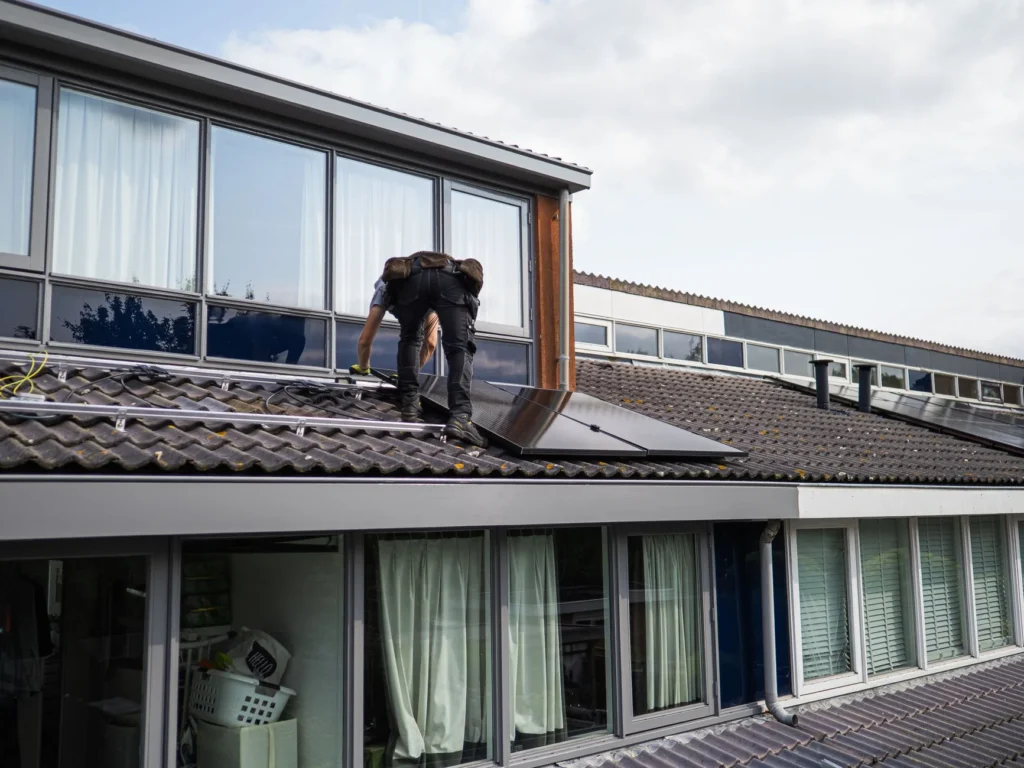
From initial consultation to flipping the switch, the process can take anywhere from 4 to 12 weeks. Most of this time is consumed by permitting, inspections, and utility approvals. The physical installation on your roof typically takes just 1-3 days.
Do I need a new roof before installing solar panels?
It’s highly recommended to have a roof with at least 10-15 years of life left. Solar panels are a long-term investment, and removing them for a roof replacement later can add significant, unexpected costs.
What about solar panel warranties in 2026?
Most solar panels come with a performance warranty guaranteeing a certain output level (e.g., 80% after 25 years) and a product warranty (10-12 years) covering manufacturing defects. Inverters and other components also have their own warranties, typically 5-10 years. Always clarify warranty details with your installer.
Images sourced from Pexels.