
Stop the Cracks: Essential Foundation Repair Strategies for 2026
A stable foundation isn’t just about structural integrity; it’s the bedrock of your home’s value and safety. Ignoring small issues now means facing significantly larger, more expensive problems down the line. In 2026, with evolving construction practices and climate considerations, understanding your foundation and how to maintain it is more critical than ever.
This year, smart homeowners are focusing on proactive assessments and informed repair decisions. From cutting-edge material advancements to revised installation techniques, the landscape of foundation repair is constantly shifting. Knowing what to look for, who to call, and what costs to expect can save you considerable stress and expense.

Price Table
| Item/Service | Estimated Range (USD) | Notes | |
|---|---|---|---|
| 🔍 | Professional Foundation Inspection | $400 – $800 | Crucial first step to diagnose issues correctly. |
| 💧 | Minor Crack Repair (Epoxy/Polyurethane) | $500 – $2,500 per crack | For non-structural, hairline cracks; price depends on length/width. |
| 🚧 | Exterior Drainage System Installation | $5,000 – $15,000 | Mitigates hydrostatic pressure; essential for many homes. |
| 🏗️ | Slab Jacking / Polyurethane Injection | $2,000 – $10,000 | Lifts settled concrete slabs; less invasive than full replacement. |
| 🛠️ | Pier and Beam Repair (per pier) | $1,000 – $4,000 | For homes with crawl spaces; price per pier needing adjustment/replacement. |
| 📈 | Structural Engineering Report | $800 – $1,800 | Often required for complex repairs or city permits. |
| 📜 | Permits and Administration | $200 – $1,000 | Varies significantly by municipality and project scope. |
| TOTAL (indicative range, typical projects combine select services) | $2,600 – $31,100+ | These ranges are estimates for 2026 and can vary significantly based on your region, chosen provider, material quality, and the complexity of the damage. |

Early Detection Saves Big
One of the biggest mistakes homeowners make is waiting. Small cracks or minor settlement issues are far easier and cheaper to address than widespread structural damage. Make it a habit to routinely inspect your foundation, both inside and out. Look for hairline cracks in walls, sticking doors or windows, sloping floors, or gaps around window and door frames. A simple annual walk-around can be an early warning system, preventing a repair bill from spiraling into a significant renovation project.
Choosing the Right Contractor
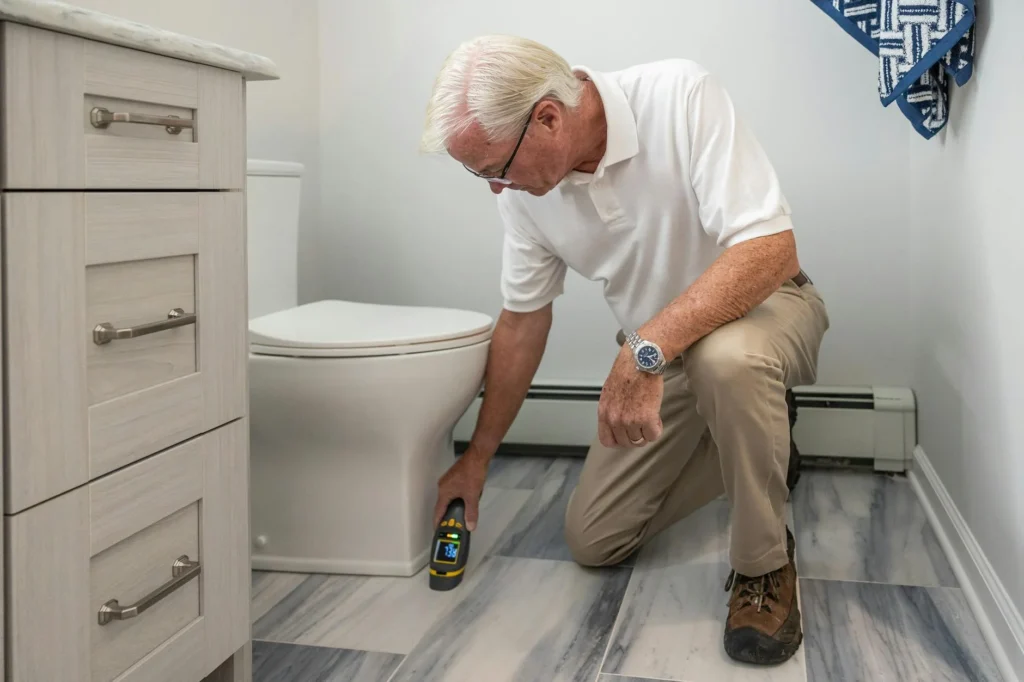
Finding a reputable foundation repair specialist is paramount. Don’t simply opt for the cheapest quote; this is one area where cutting corners can lead to costly re-repairs. Obtain at least three detailed bids, check references, and verify licenses and insurance. A good contractor will provide a thorough inspection, explain the root cause of the issue, and clearly outline the proposed solution and warranty. Ask about their experience with similar foundation types and repair methods relevant to your home.
Beyond the Fix: Preventing Future Issues
Once repairs are complete, proactive measures are key to long-term stability. Ensure proper drainage around your home by maintaining clear gutters and downspouts that direct water away from the foundation. Landscaping choices also matter; avoid planting large trees too close to the house, as their roots can absorb excessive moisture from the soil, leading to soil contraction and movement. Consistent soil moisture levels are crucial, especially in climates with significant wet and dry seasons.
Frequently Asked Questions
How often should I have my foundation inspected?
Ideally, a professional foundation inspection should be considered every 5-10 years, or immediately if you notice any new signs of distress, regardless of how minor they seem.
Are DIY foundation crack repairs ever a good idea?
For very minor, non-structural hairline cracks in concrete walls, a DIY epoxy injection might be suitable. However, for anything larger, wider, or showing signs of structural movement, professional assessment and repair are always recommended to avoid exacerbating the problem.
What are common signs of foundation trouble?
Look for interior wall cracks (especially around doors and windows), sticking doors or windows, uneven or sloping floors, exterior brick cracks, gaps between walls and ceilings, and visible foundation cracks on the exterior.
Images sourced from Pexels.