The Real Cost of a Transmission Rebuild: Today’s Rates Explained
Facing transmission trouble can be daunting, and the thought of a rebuild often brings immediate concerns about the price tag. It’s a significant investment in your vehicle’s longevity, and understanding what goes into that final bill is crucial for making informed decisions.
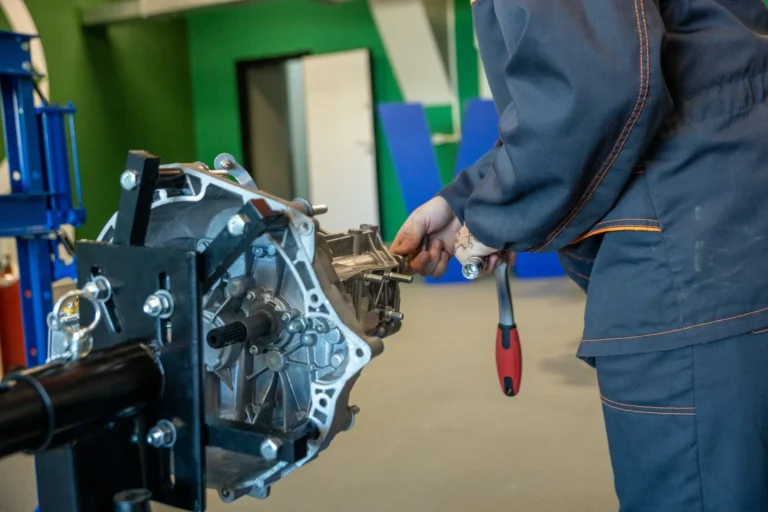
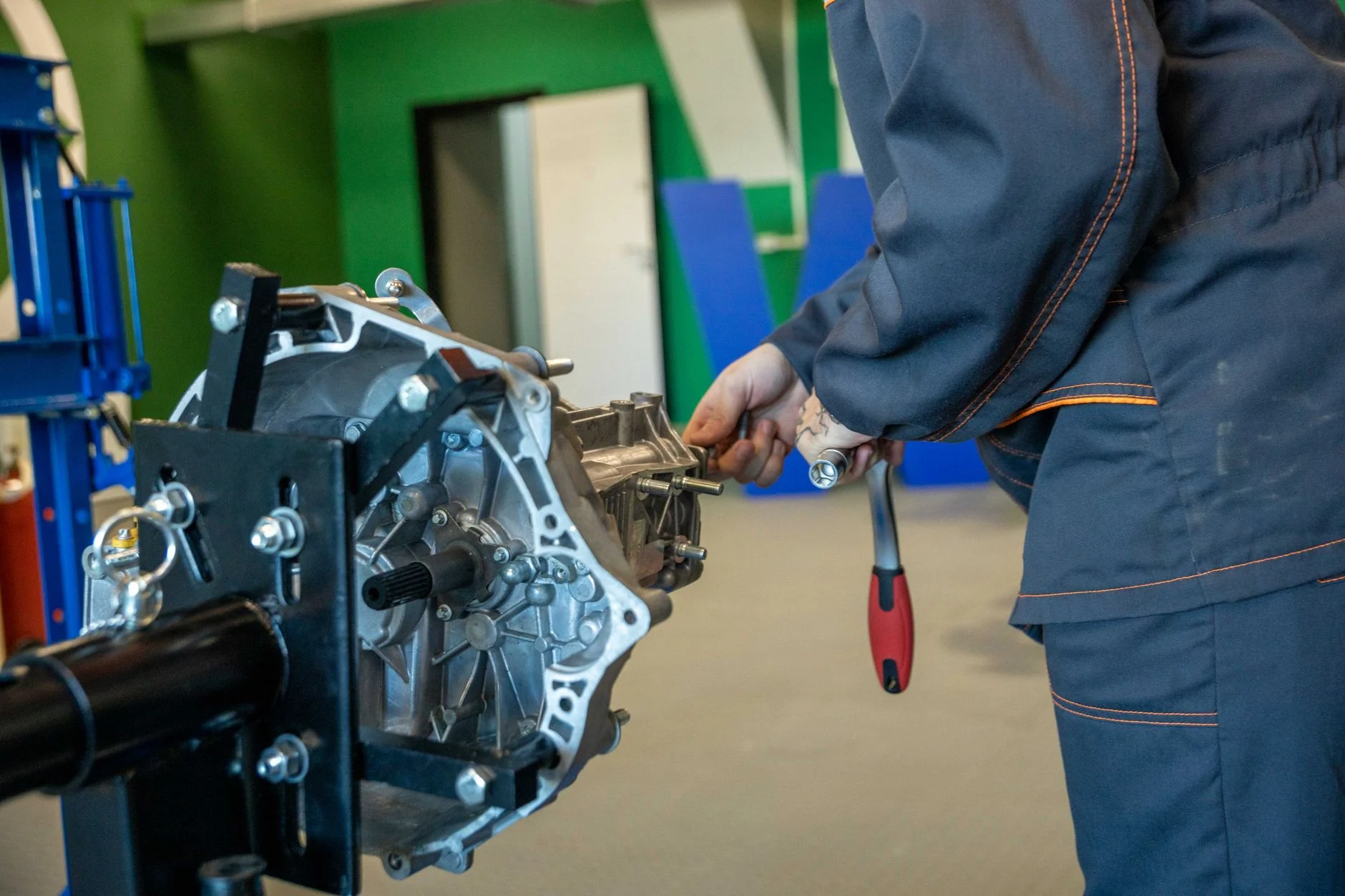
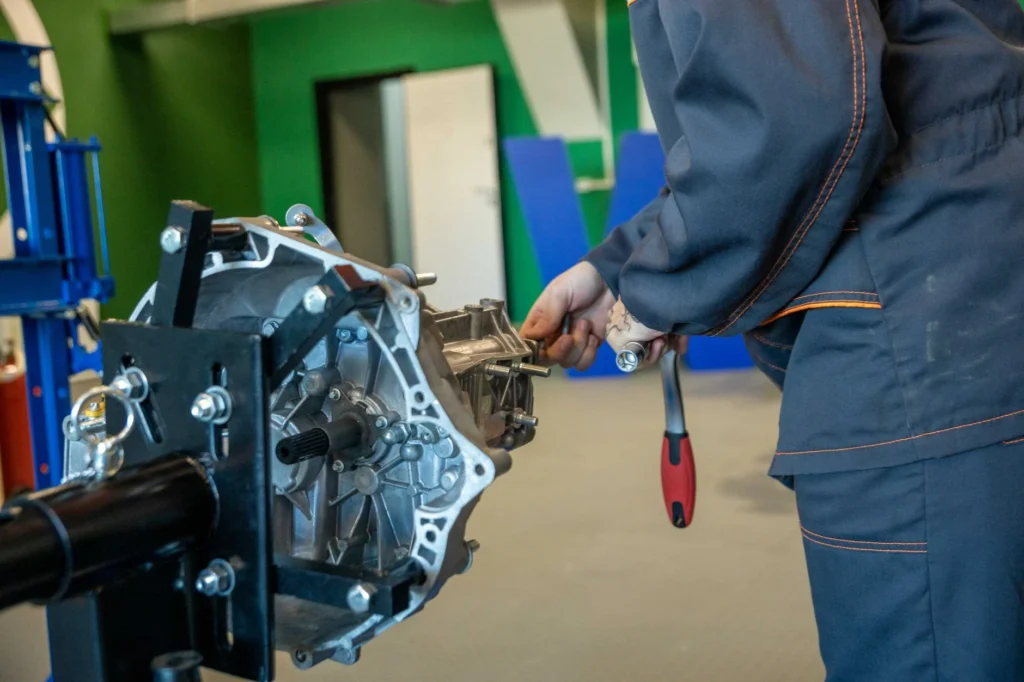
Unlike simpler repairs, a transmission rebuild involves meticulous labor, specialized parts, and expert diagnostics. The total cost isn’t just one number; it’s a sum of various components that can fluctuate widely based on several factors, including your vehicle’s make and model, the extent of the damage, and where you get the work done.
Current Transmission Rebuild Cost Breakdown
Here’s an estimated breakdown of what you might expect for a standard automatic transmission rebuild. Remember, these are ranges, and your specific situation could vary significantly based on your region, the specific shop, and your vehicle’s needs.
| Item/Service | Estimated Range (USD) | Notes | |
|---|---|---|---|
| ⚙️ | Diagnostic Fees | $150 – $350 | Thorough inspection to identify exact issues. May be waived if the shop performs the rebuild. |
| 🔧 | Labor (10-20 hours) | $1,000 – $3,600 | Highly skilled work, including removal, disassembly, cleaning, reassembly, and reinstallation. |
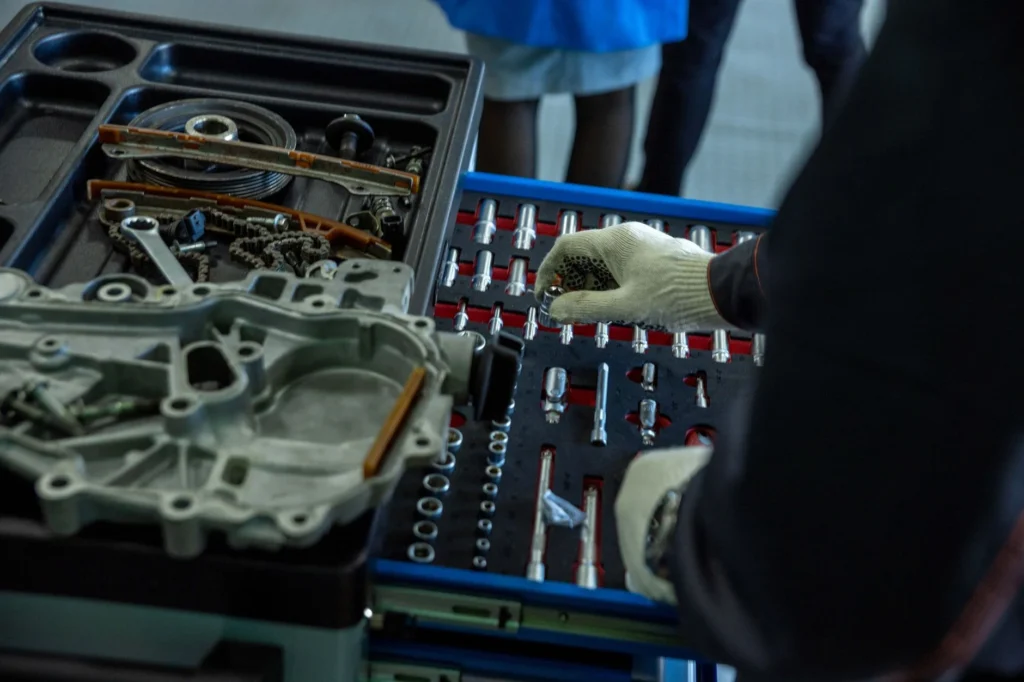
| 📦 | Basic Rebuild Kit | $400 – $1,200 | Includes essential gaskets, seals, O-rings, friction plates, steel plates, and bushings. |
| 🔩 | Hard Parts (as needed) | $500 – $2,500+ | Components like planetary gears, pump, valve body, torque converter. Varies greatly by damage severity. |
| 💧 | Transmission Fluid | $100 – $300 | High-quality fluid specifically matched to your transmission’s specifications. |
| ✨ | Miscellaneous Shop Supplies | $50 – $200 | Cleaners, shop rags, environmental disposal fees, etc. |
| TOTAL | $2,200 – $8,150+ | Overall estimated range. Complex cases, luxury vehicles, or specialty transmissions can exceed this. |
What Drives the Cost of a Transmission Rebuild?
Several factors play a significant role in determining the final price you’ll pay:
- Vehicle Type & Complexity: Luxury cars, performance vehicles, and those with advanced automatic transmissions typically cost more due to specialized parts and intricate designs.
- Extent of Damage: A minor issue requiring only a basic kit will be far less expensive than a transmission with significant hard part failure.
- Shop Rates: Labor rates vary significantly by region and the shop’s reputation. Dealerships usually charge more than independent specialists.
- Parts Availability: Obscure or discontinued parts can drive up the cost, sometimes requiring custom solutions or lengthy searches.
Rebuild vs. Replacement: Making the Call
When faced with a failing transmission, you often have two main options: rebuild or replace. A rebuild typically involves disassembling your existing transmission, replacing worn or damaged components, and putting it back together. A replacement means swapping out your old transmission for a new, rebuilt, or used unit.
Generally, a rebuild is more cost-effective if the casing and major components are intact, as it saves on the cost of a new core. However, if the transmission suffered catastrophic damage, or if it’s an older, hard-to-find unit, a full replacement (either new or a quality remanufactured unit) might be the smarter, more reliable choice. Always get a professional opinion on the integrity of your current transmission before deciding. A common mistake is rushing into a replacement without understanding if a rebuild could have saved you money and offered comparable reliability.
Tips for Managing Rebuild Expenses
While a transmission rebuild is a major expense, there are ways to approach it smartly:
- Get Multiple Quotes: Don’t settle for the first estimate. Contact at least two or three reputable transmission shops and compare their detailed breakdowns.
- Inquire About Warranty: A good rebuild should come with a warranty on parts and labor. Understand its terms and duration.
- Ask for a Detailed Explanation: A transparent shop will be happy to explain what exactly needs to be repaired and why, often showing you the damaged parts.
- Preventative Maintenance: While too late for a current rebuild, regular transmission fluid changes and inspections can prevent future major failures.
Frequently Asked Questions
- How long does a transmission rebuild typically take?
- The process can take anywhere from 3 to 5 days, or sometimes longer, depending on the shop’s schedule, parts availability, and the complexity of the rebuild.
- Does a rebuilt transmission come with a warranty?
- Most reputable shops offer a warranty on their transmission rebuilds, typically ranging from 12 months/12,000 miles to 36 months/36,000 miles. Always confirm the warranty details before proceeding.
- Is a rebuilt transmission as good as new?
- A professionally rebuilt transmission, using quality parts and skilled labor, can often perform as well as a new unit and provide many years of reliable service. In some cases, common factory flaws can even be improved upon during the rebuild process.
Images sourced from Pexels.