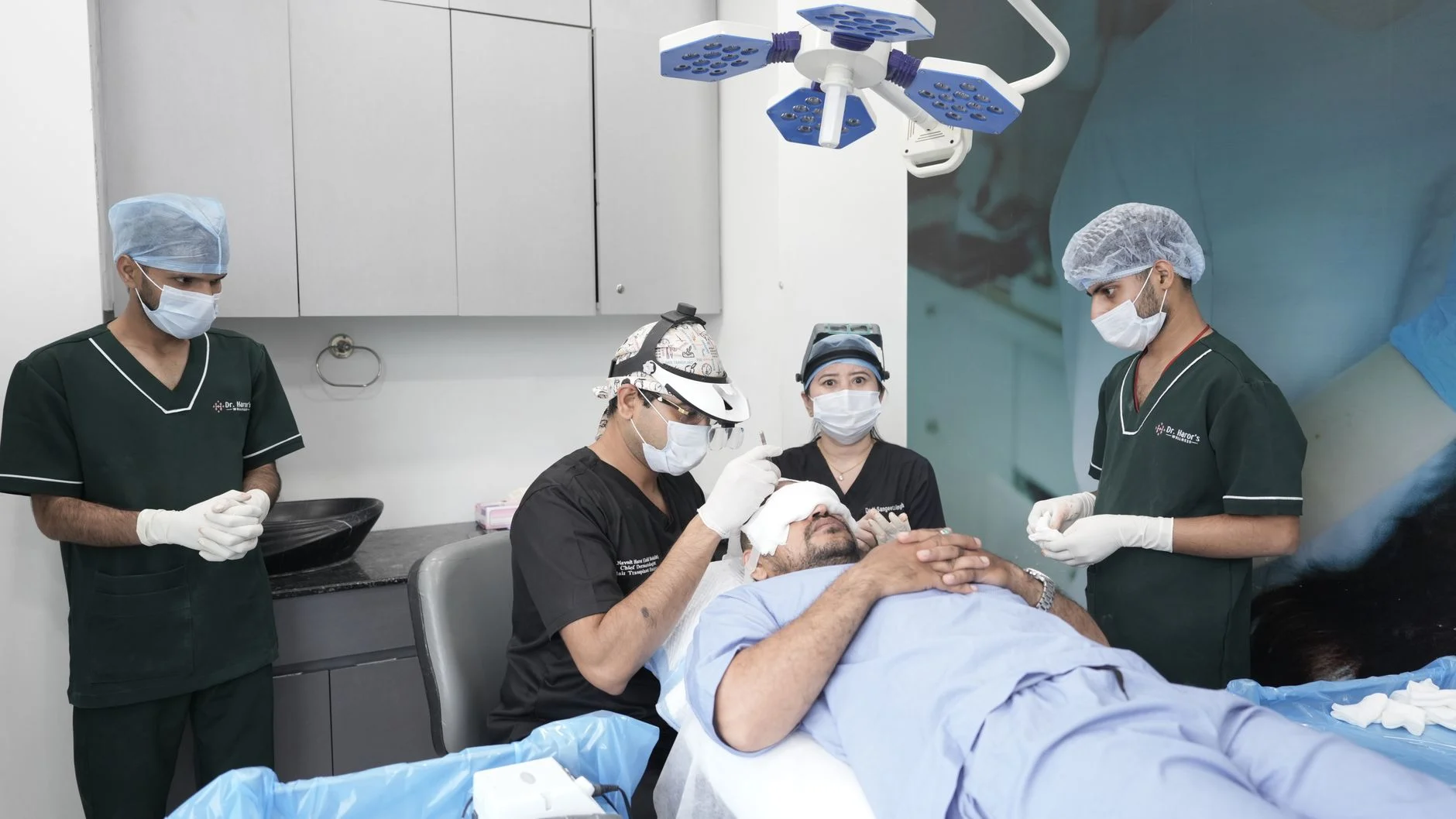
FUE Hair Transplant Cost 2026: What to Expect
Considering an FUE (Follicular Unit Extraction) hair transplant in 2026? It’s a highly sought-after solution for hair loss, known for its natural-looking results and minimal scarring. Planning ahead is smart, as understanding the potential financial commitment is a key step in your decision-making process.
The cost of an FUE procedure isn’t a fixed price tag. Instead, it’s a dynamic figure influenced by multiple factors, from the extent of your hair loss to the clinic’s reputation and geographic location. While we can’t provide an exact ‘official price,’ this guide offers clear expectations and estimated ranges to help you budget for your hair restoration journey in 2026.
Price Table
| Item/Service | Estimated Range (USD) | Notes | |
|---|---|---|---|
| 💰 | Surgeon’s Fee | $3,000 – $8,000 | Expertise and reputation significantly influence this. |
| 💡 | Graft Cost (per graft) | $5 – $10 | Typically based on the number of follicular units transplanted. A common procedure might require 1,000-3,000 grafts. |
| ⚕️ | Anesthesia & Facility Fees | $500 – $1,500 | Covers local anesthesia, facility use, and medical staff support. |
| 💊 | Pre & Post-operative Medications | $100 – $400 | Includes pain relievers, antibiotics, and anti-inflammatory drugs. |
| ✨ | Post-op Care & Follow-ups | $0 – $500 | Many clinics include initial follow-ups; some may charge for extended care. |
| ➕ | Additional Treatments (PRP, etc.) | $500 – $2,000 | Optional add-ons like Platelet-Rich Plasma (PRP) can enhance results. |
| TOTAL | $9,100 – $24,400+ | Based on an average 2000-graft procedure. Actual costs vary significantly by region, clinic, surgeon’s experience, and the total number of grafts needed. |
What Influences the Total Cost?
Several variables play a crucial role in determining the final price of your FUE hair transplant in 2026. The primary factor is almost always the number of grafts required; more extensive hair loss naturally demands more grafts and thus a higher cost. Another significant influencer is the clinic’s location. Major metropolitan areas or regions with a higher cost of living often see higher prices. A common mistake people make is solely comparing per-graft prices without understanding what’s included in the ‘package.’ Always ask for a comprehensive breakdown.
Surgeon Expertise and Clinic Reputation
Highly experienced surgeons with a strong track record and renowned clinics command higher fees, and often for good reason. Investing in a reputable professional can translate to better results, fewer complications, and a more comfortable experience. Don’t underestimate the value of expertise when it comes to a permanent cosmetic procedure.
Financing Your FUE Procedure
Given the significant investment, many clinics in 2026 will offer various financing options. This can include in-house payment plans, medical credit cards, or partnerships with third-party lenders. Exploring these avenues can make the procedure more accessible, allowing you to spread the cost over several months or years. Always review the terms and interest rates carefully before committing.
FAQ
Is FUE hair transplant covered by insurance in 2026?
Typically, no. FUE is considered an elective cosmetic procedure and is generally not covered by health insurance plans. It’s always best to check directly with your provider, but prepare for it to be an out-of-pocket expense.
How many grafts will I likely need?
The number of grafts required is highly individual. It depends on the extent of your hair loss, the desired density, and the quality of your donor area. A proper consultation with a qualified surgeon is essential to determine an accurate estimate.
What is the typical recovery time?
Most patients can return to light activities within a day or two following an FUE procedure. The tiny scabs from the donor and recipient areas usually heal within 7-10 days. Full hair growth becomes noticeable several months later, with final results visible around 12-18 months post-procedure.
Images sourced from Pexels.