
The Real Cost of Solar Panel Installation in 2026: Your Future Energy Investment
As we navigate 2026, investing in solar panels for your home is an increasingly intelligent decision. With technological advancements making systems more efficient and accessible, many homeowners are considering the switch to renewable energy. Understanding the financial commitment upfront is key to making a smart, long-term investment in your property and the planet.
Forget about the outdated pricing models of years past. This guide provides a clear look at what you can expect to pay for a residential solar panel installation in 2026, offering realistic ranges and insights into the various components that contribute to the final tally. Prepare to take control of your energy future.

Price Table
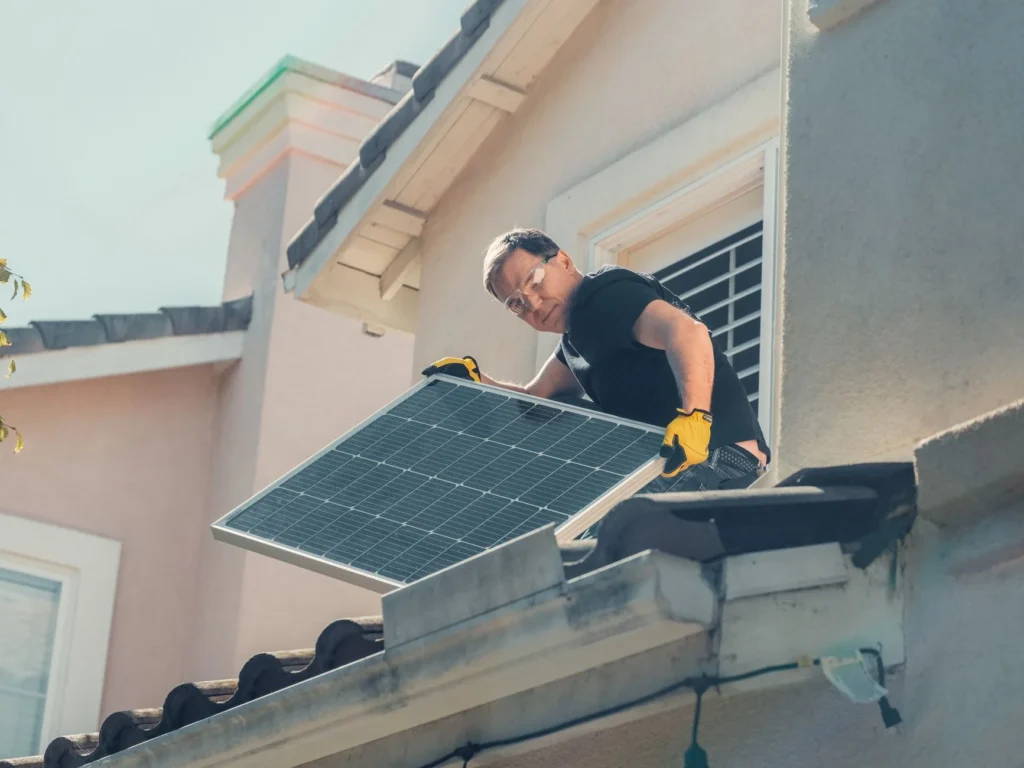
Please note: These are estimated ranges for a typical 6-8 kW residential system in 2026. Actual costs can vary significantly based on your location, chosen equipment quality, installer, roof complexity, and local permitting requirements.
| Item/Service | Estimated Range (USD) | Notes | |
|---|---|---|---|
| ☀️ | Solar Panels (modules) | $9,000 – $18,000 | High-efficiency monocrystalline panels are standard. Cost depends on brand and power output. |
| 🔌 | Inverter(s) | $2,000 – $5,000 | Central inverter or micro-inverters; micro-inverters offer better performance in shaded conditions. |
| 🔩 | Mounting Hardware & Racking | $1,500 – $3,500 | Secures panels to the roof. Factors include roof type and system size. |
| ⚡ | Wiring & Electrical Components | $1,000 – $2,500 | Includes wiring, conduits, circuit breakers, and connection to your home’s electrical panel. |
| 📜 | Permitting & Inspections | $500 – $2,000 | Covers local permits, utility grid connection fees, and necessary inspections. |
| 🛠️ | Installation Labor | $4,000 – $10,000 | Professional installation by certified technicians. Varies with system size and roof complexity. |
| 🔋 | Battery Storage (Optional) | $8,000 – $18,000 | For energy independence and backup during outages. Highly recommended for optimizing self-consumption. |
| 📡 | System Monitoring | $300 – $1,000 | Hardware and software for tracking system performance via app or web portal. Often included with inverter. |
| TOTAL (without battery) | $18,000 – $41,000 | Average costs before incentives. | |
| TOTAL (with battery) | $26,000 – $59,000 | Average costs before incentives. |

Understanding Incentives and Rebates in 2026
Don’t overlook the significant impact of incentives. In 2026, homeowners can still benefit from federal tax credits, state-specific rebates, and local utility programs that can substantially reduce your net out-of-pocket costs. Many regions offer property tax exemptions for solar installations, further sweetening the deal. It’s crucial to research what’s available in your specific area; a good installer will often help you navigate these opportunities.
Common Pitfalls to Avoid
One common mistake homeowners make is choosing the cheapest quote without thoroughly vetting the installer or understanding the equipment’s quality. A less expensive system might use lower-grade panels or an older inverter model, leading to lower efficiency and a shorter lifespan. Always ask about warranties for both equipment and labor. Another pitfall is underestimating future energy needs; consider potential growth in your household or the addition of an electric vehicle when sizing your system.
Frequently Asked Questions
- How long does a typical solar installation take in 2026?
- From initial consultation to flipping the switch, the process can take anywhere from 4 to 12 weeks. Actual installation on your roof usually only takes 1-3 days, but permitting and inspections consume most of the timeline.
- How much can I expect to save on electricity bills?
- Savings vary widely based on your current electricity consumption, local utility rates, system size, and weather patterns. Many homeowners see their monthly electricity bills drop by 70-100%, often resulting in thousands of dollars saved annually over the system’s lifespan.
- Is a solar battery necessary for my system?
- While not strictly necessary for grid-tied systems, a battery offers significant advantages. It provides backup power during outages and allows you to store excess energy generated during the day for use at night, potentially reducing reliance on the grid and maximizing self-consumption, especially with time-of-use utility rates.
Images sourced from Pexels.