Dental Implants 2026: An Updated Guide to Today’s Rates
Planning for a dental implant in 2026 means understanding the full scope of the investment. It’s more than just the implant itself; you’re paying for a comprehensive solution to restore your smile and oral function, involving multiple steps and skilled professionals. Being prepared with clear expectations can make a big difference in your decision-making process.
While the prospect of a new tooth is exciting, navigating the financial aspect can feel daunting. This guide breaks down the typical costs you might encounter for dental implants across various regions in 2026, helping you budget wisely and ask the right questions when you consult with your dental care provider.
Price Table: Dental Implants 2026
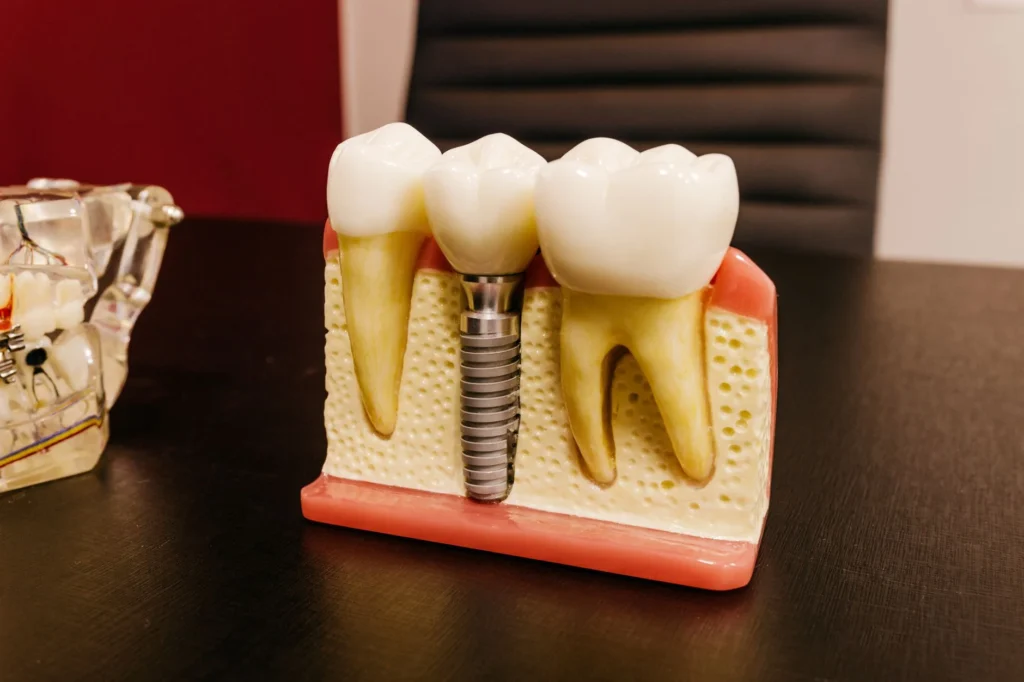
Please note: These are estimated ranges for a single dental implant procedure in 2026. Actual costs will vary significantly based on your geographic location, the complexity of your case, the materials used, the specific dental clinic, and the expertise of the dental professional. Always obtain a detailed, personalized quote from your chosen provider.
| Item/Service | Estimated Range (USD) | Notes | |
|---|---|---|---|
| 🦷 | Initial Consultation & Exam | $75 – $250 | Includes comprehensive oral exam, treatment planning. |
| 📸 | X-rays & 3D CT Scan | $150 – $600 | Crucial for precise implant placement. |
| 🩸 | Tooth Extraction (if needed) | $150 – $500 | Simple extraction; complex cases may cost more. |
| 🦴 | Bone Grafting (if needed) | $400 – $2,500+ | To build up bone density for implant support. |
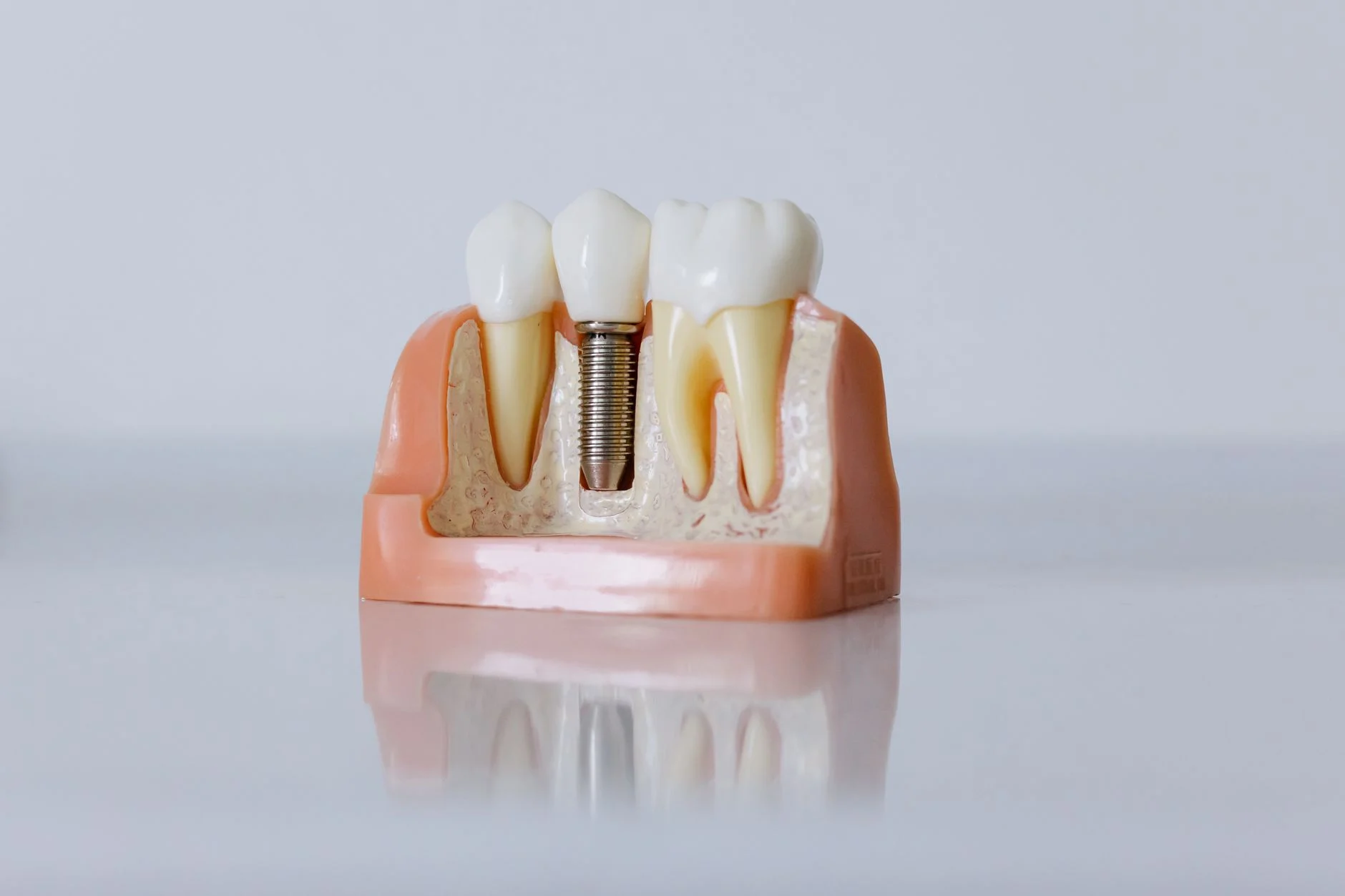
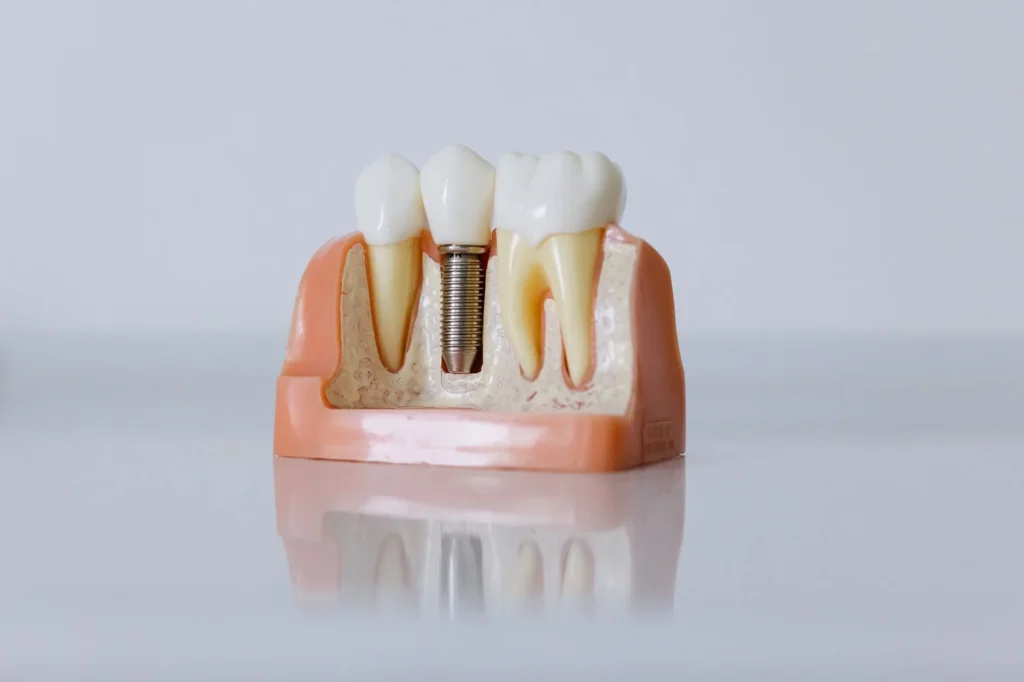
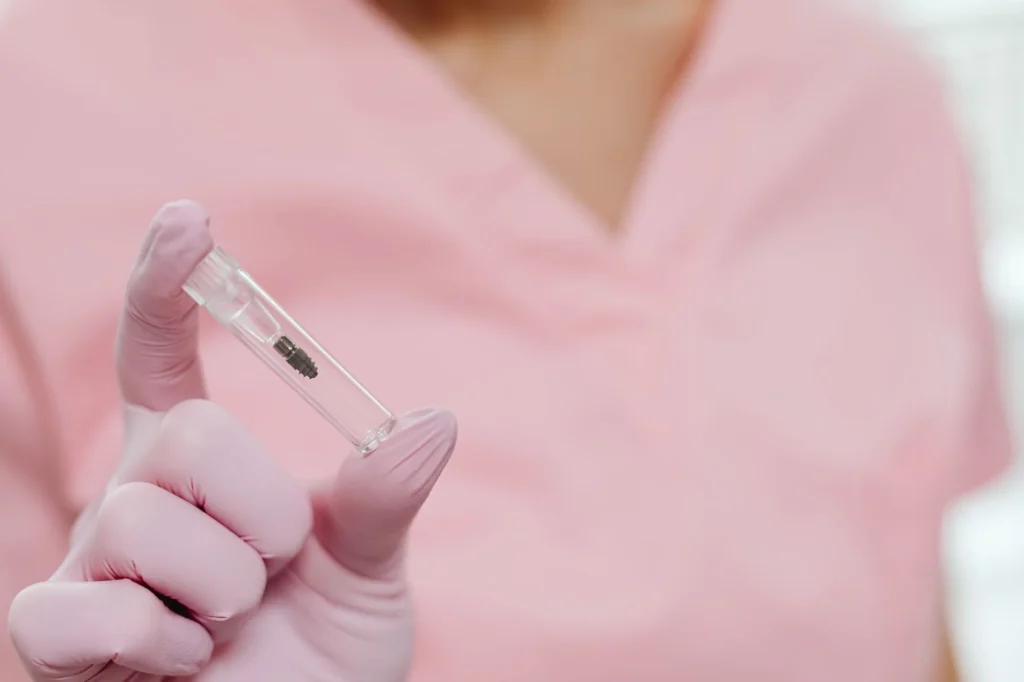
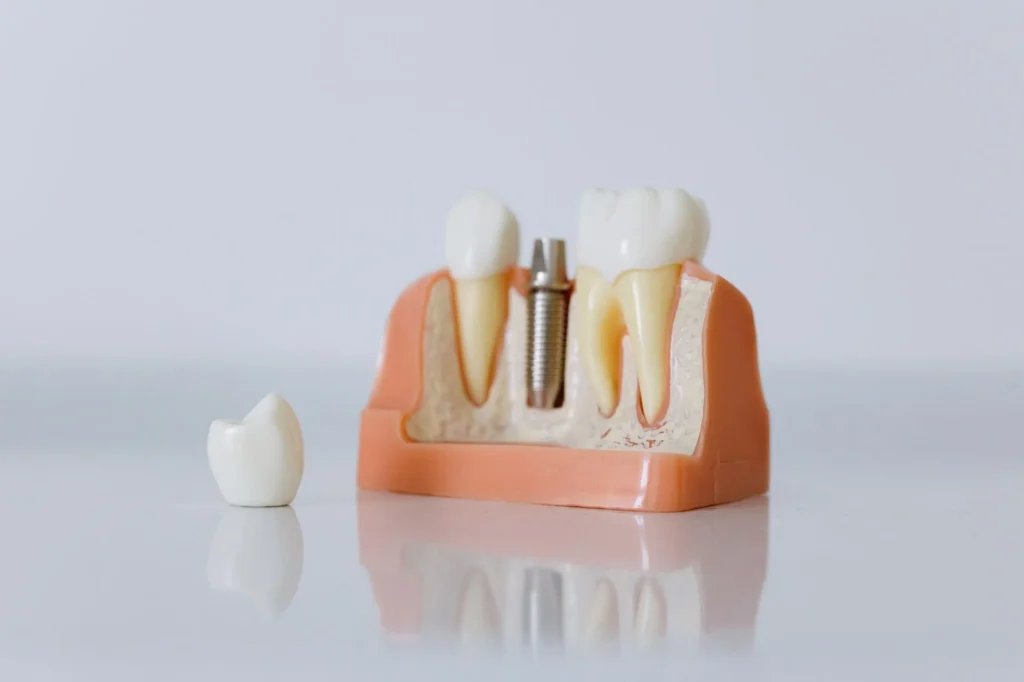
| ⚙️ | Implant Post (Titanium/Zirconia) | $1,200 – $3,000 | The surgical placement of the implant screw. |
| 🔗 | Abutment | $400 – $1,000 | Connects the implant post to the crown. |
| 👑 | Dental Crown (Porcelain/Zirconia) | $800 – $2,500 | The visible, tooth-like cap. Material choice impacts cost. |
| ✅ | Follow-up Appointments | Included – $300 | Usually included in the overall package, but confirm. |
| TOTAL (per single implant) | $3,500 – $9,500+ | Varies widely based on individual needs and regional pricing. |
What Influences the Cost?
Several factors play a significant role in the final price tag for your dental implant. The type of implant material (titanium is standard, but zirconia options exist), the number of implants required, and the complexity of your specific dental situation – for instance, if you need extensive bone grafting or multiple extractions – all drive the cost up or down. Geographic location also matters; practices in major metropolitan areas often have higher overheads, which can translate to higher prices for patients.
Avoiding Unexpected Expenses
One common mistake people make is only comparing the price of the implant itself, without considering all the associated procedures. Always ask for a detailed, itemized treatment plan that includes everything from initial diagnostics to follow-up care. A comprehensive quote ensures you won’t be surprised by additional fees later on. Don’t hesitate to inquire if specific services, like temporary crowns or pain medication, are part of the quoted package.
Additionally, understand that while cheaper options might exist, quality materials and an experienced surgeon are paramount for long-term success. Investing in a reputable provider now can save you from costly revisions down the line.
Payment Options & Insurance Coverage
Many dental offices in 2026 offer various payment plans, including in-house financing, third-party medical credit options, or phased payments throughout the treatment process. While standard dental insurance often provides limited coverage for implants, it’s worth checking your policy. Some plans might cover diagnostic procedures, extractions, or bone grafting, even if they don’t cover the implant crown or post. Discuss all available options with your dental office’s financial coordinator.
Frequently Asked Questions
Q: Is a dental implant a worthwhile investment?
A: For many, yes. Implants offer a durable, long-term solution for tooth loss, preventing bone loss, maintaining facial structure, and improving chewing ability and speech compared to bridges or dentures.
Q: How long does the entire dental implant process typically take?
A: The full process, from initial consultation to the final crown placement, usually spans 3 to 9 months. This timeline accounts for healing periods after extractions and implant placement, which are crucial for success.
Q: Are mini-implants a cheaper alternative?
A: Mini-implants can be less expensive and require less bone density. However, they are generally used for specific applications, often for denture stabilization, and may not be suitable as a standalone replacement for a single tooth in all cases. Discuss with your dentist if they are an option for you.
Images sourced from Pexels.