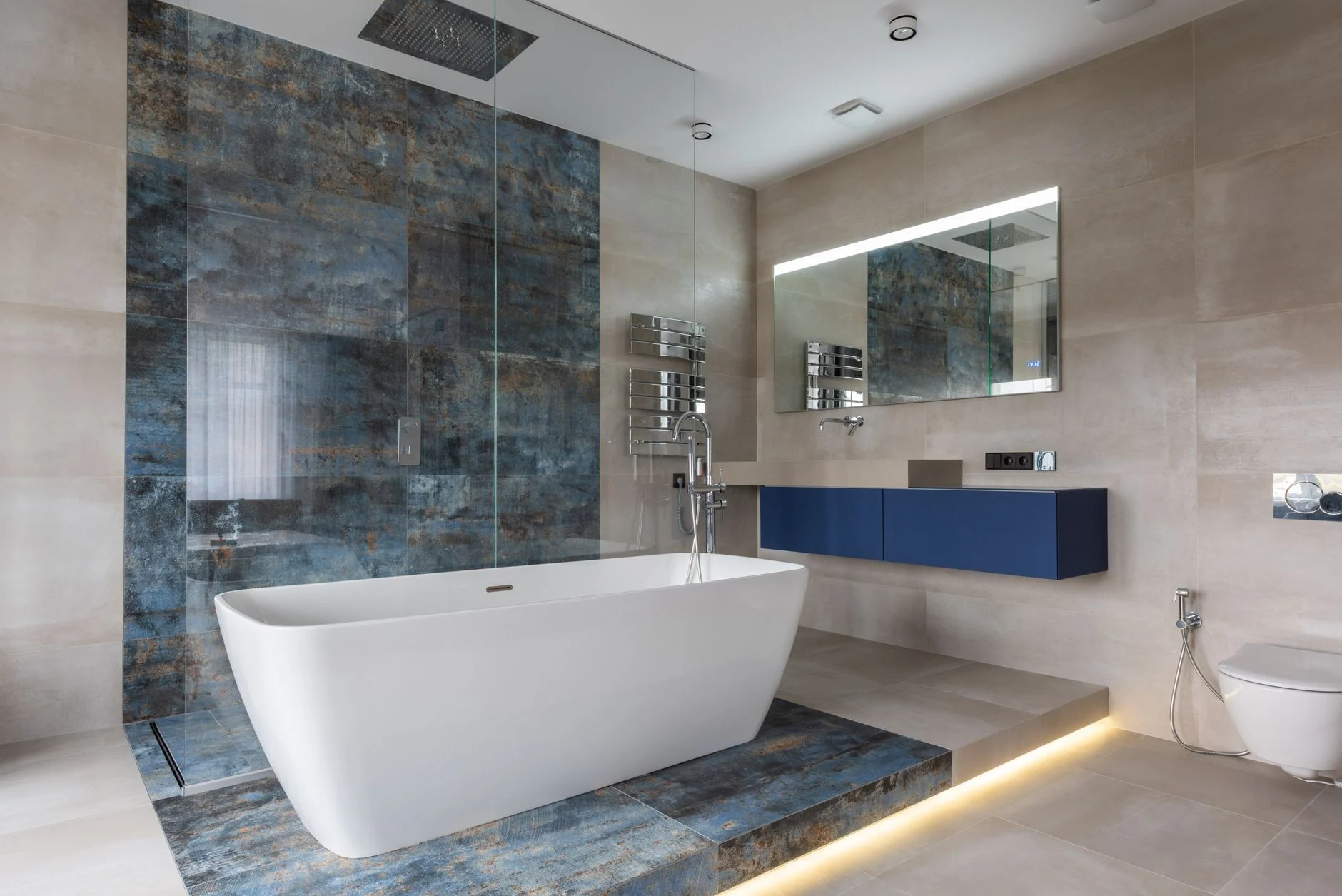
Walk-in Tub Installation: Your Current Cost & Benefits Guide
Considering a walk-in tub for your home? It’s a significant upgrade that offers invaluable safety, independence, and comfort, especially for individuals with mobility challenges or those planning to age in place. These specialized tubs make bathing a far less daunting, and much safer, experience.
Understanding the financial commitment involved is a crucial first step. This guide breaks down the typical costs associated with purchasing and installing a walk-in tub, highlights its key benefits, and offers practical advice to help you make an informed decision without any unpleasant surprises.
Price Table: Walk-in Tub Installation
Please note: These are estimated ranges. Actual costs vary significantly based on your location, the specific tub features, existing bathroom layout, installer rates, and material quality. Always get multiple quotes from licensed professionals.
| Item/Service | Estimated Range (USD) | Notes | |
|---|---|---|---|
| 🛁 | Walk-in Tub Unit (Basic) | $2,000 – $4,500 | Standard features, no jets. |
| 🛁 | Walk-in Tub Unit (Deluxe) | $4,500 – $7,000+ | Therapeutic jets, chromotherapy, quicker drain. |
| ⚒️ | Old Tub/Shower Demolition & Removal | $300 – $800 | Depends on complexity and disposal fees. |
| 💧 | Plumbing Modifications | $500 – $1,500 | Re-routing pipes, faucet installation. May include water heater assessment. |
| ⚡ | Electrical Work | $300 – $1,000 | GFCI outlet, dedicated circuit for pumps/heaters. |
| 👷 | Installation Labor | $1,000 – $3,000 | Professional plumbers/contractors. |
| 📜 | Permits | $50 – $200 | Required for most plumbing/electrical work; varies by municipality. |
| ✨ | Finishing Work (Tile/Drywall) | $500 – $2,000 | Repairing walls, new tile around the tub. |
| TOTAL (Estimated) | $4,650 – $15,500+ | This wide range reflects basic units vs. fully featured tubs with significant bathroom remodels. |
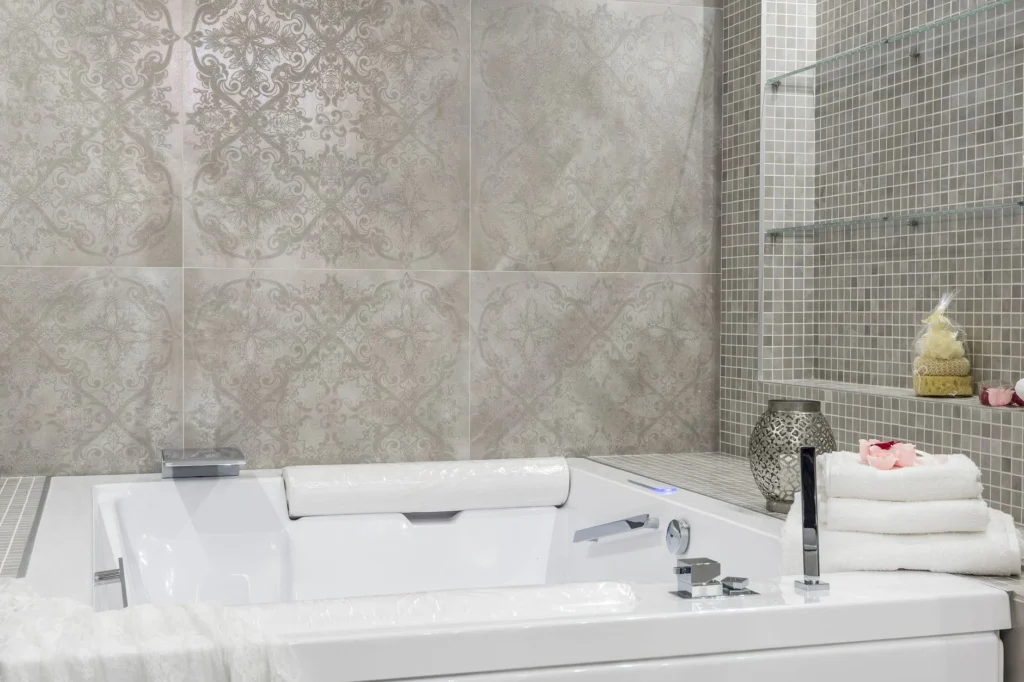
Key Benefits of a Walk-in Tub
Beyond just bathing, a walk-in tub offers a suite of advantages for specific users:
Enhanced Safety and Accessibility
The low step-in threshold (typically 3-7 inches) virtually eliminates the risk of slips and falls associated with traditional high-sided tubs. Integrated grab bars, anti-slip flooring, and comfortable seating further bolster safety, providing peace of mind for users and their families.
Therapeutic Features for Comfort
Many walk-in tubs come equipped with hydrotherapy jets, air jets, and even chromotherapy (light therapy). These features can help alleviate muscle aches, improve circulation, reduce stress, and provide a spa-like experience right in your home. It’s an investment in daily well-being.
Promotes Independence and Dignity
For individuals with limited mobility, a walk-in tub means regaining the ability to bathe independently without assistance. This fosters a sense of dignity and self-reliance, significantly improving quality of life.
Factors Influencing Your Total Cost
Several variables can push your final bill up or down. The type of tub is a big one – basic soaker models are much cheaper than luxurious jetted units with quick-drain features. Your existing bathroom layout also plays a huge role; if extensive plumbing or electrical modifications are needed, costs will rise. Don’t forget geographical location, as labor rates can vary dramatically. One common mistake people make is underestimating the need for hot water – make sure your water heater can handle the larger volume of a walk-in tub, or you might be looking at an upgrade!
Frequently Asked Questions
How long does installation typically take?
Most standard installations take 1 to 3 days. However, if your bathroom requires significant structural, plumbing, or electrical modifications, the project could extend to several days or even a week.
Do I need a permit for walk-in tub installation?
Often, yes. Because walk-in tub installations typically involve significant plumbing and electrical work, permits are usually required by local building codes to ensure safety and compliance. Always check with your local municipality before starting any work.
Can I install a walk-in tub myself?
While some homeowners are DIY-savvy, walk-in tub installation is generally not a recommended DIY project. It involves precise plumbing connections, electrical wiring (especially for jetted models), and potential structural adjustments. Professional installation ensures safety, proper function, and adherence to building codes, preventing costly mistakes down the line.
Images sourced from Pexels.