
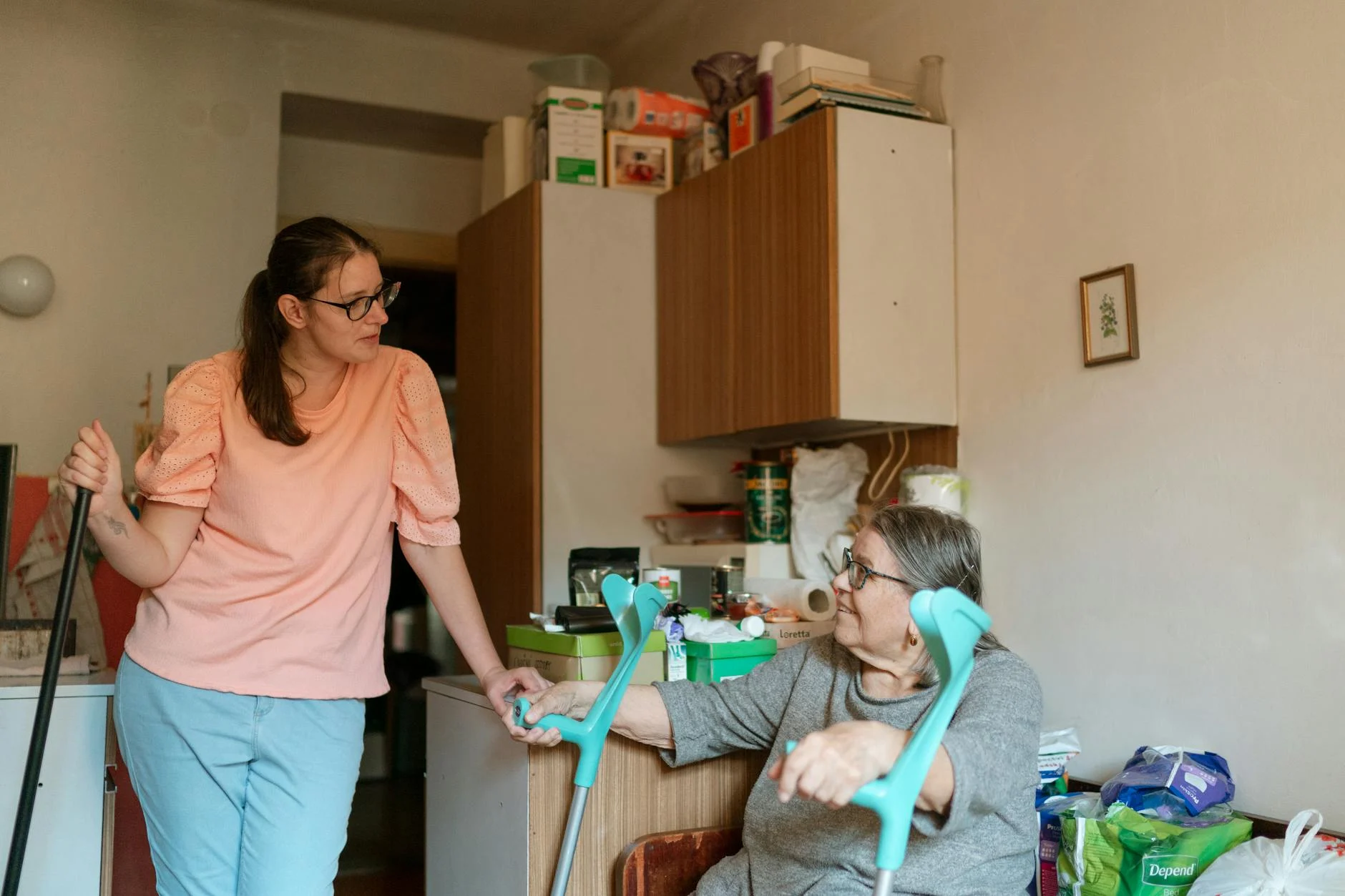
In-Home Care Services 2026: Today’s Rates & What to Expect
Planning for in-home care in 2026 means looking ahead, understanding that needs can shift, and costs are always a key factor. Whether for aging loved ones, recovery from an illness, or managing a long-term condition, quality care at home offers comfort and independence. The goal is to find the right balance of support without financial strain.
As we navigate 2026, the landscape of in-home care continues to evolve, with services ranging from basic companionship to complex medical support. Understanding the potential expenses is crucial for effective budgeting and decision-making. These estimates reflect what families can anticipate encountering across various regions and provider types, keeping in mind that actual costs are highly individualized.
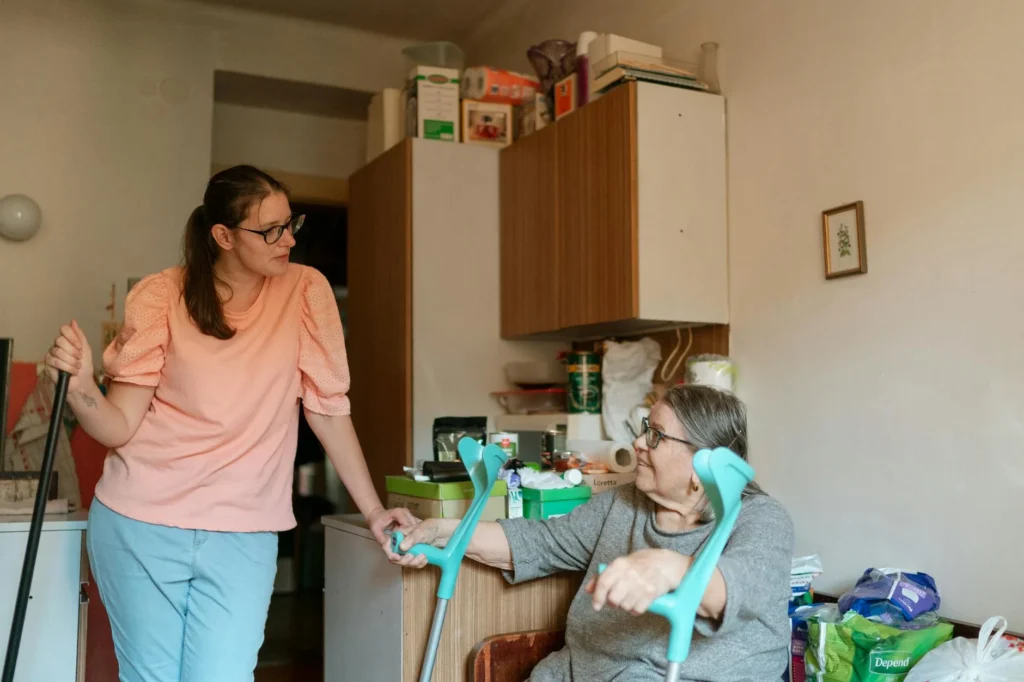
Estimated In-Home Care Price Table (2026)
Note: These ranges are estimates for 2026 and can vary significantly based on geographic location, provider qualifications, intensity of care, and specific needs. Always request a personalized quote.
| Item/Service | Estimated Range (USD) | Notes | |
|---|---|---|---|
| 🤝 | Companion Care | $25 – $40 per hour | Social interaction, supervision, light household tasks. |
| 💊 | Personal Care Assistant (Non-Medical) | $30 – $50 per hour | Assistance with bathing, dressing, meal prep, mobility. |
| 💉 | Homemaker Services | $28 – $45 per hour | Cleaning, laundry, errands, grocery shopping. |
| 💆 | Skilled Nursing (RN/LPN) | $80 – $150 per hour | Medication administration, wound care, medical monitoring. |
| 🤖 | Therapy Services (PT/OT/SLP) | $100 – $180 per session | Physical, Occupational, or Speech Therapy sessions at home. |
| 👪 | Respite Care | $35 – $60 per hour | Temporary care to provide relief for primary caregivers. |
| 🏡 | Live-In Care (24-hour) | $400 – $800 per day | Around-the-clock support, often a fixed daily rate. |
| 💵 | Overall Monthly Estimate | $4,000 – $18,000+ | Highly variable. Depends on the *combination* and *frequency* of services required. |

Understanding Your Options and What Drives Costs
Choosing in-home care is a big decision, and understanding what you’re paying for is key. One common mistake people make is only comparing hourly rates without considering the total hours needed or the qualifications of the caregiver. A lower hourly rate might mean less experienced staff or fewer included services.
What Drives the Cost?
Several factors will heavily influence your overall expenditure. The level of care required is paramount; complex medical needs necessitate skilled professionals, which naturally command higher rates. Location also plays a significant role, with urban centers typically seeing higher prices than rural areas due to differing costs of living and demand for services. Finally, the provider’s reputation and the qualifications of their staff can impact pricing. Agencies with extensive training programs and robust oversight often have slightly higher rates, but this can translate to better peace of mind.
Saving Money on In-Home Care
Don’t assume you need round-the-clock professional help from day one. Start by accurately assessing the individual’s actual needs. Can family members cover some tasks? A mix of professional services and family support can significantly reduce costs. Also, explore any long-term care insurance policies or state-funded programs that might be available to offset expenses. Sometimes, even small adjustments to the care schedule can make a big difference without compromising quality.
Frequently Asked Questions
- Will my health insurance cover in-home care in 2026?
- Most standard health insurance plans, including Medicare, primarily cover skilled medical care (like nursing or therapy) for a limited duration if prescribed by a doctor. They typically do not cover long-term personal or companion care, often referred to as ‘custodial care.’ Always check your specific policy details.
- How do I find a reliable in-home care provider?
- Begin with referrals from doctors, social workers, or friends. Check accreditations, read reviews, and interview multiple agencies. Ask about their hiring process, staff training, and how they handle emergencies. A thorough vetting process ensures you find a trustworthy service.
- What’s the difference between a home health aide and a personal care assistant?
- A Home Health Aide (HHA) typically works under the supervision of medical professionals and can provide some basic medical support, often after specific training. A Personal Care Assistant (PCA) focuses more on non-medical daily living activities. Their roles can sometimes overlap, but HHAs generally have more specialized training.

Images sourced from Pexels.