
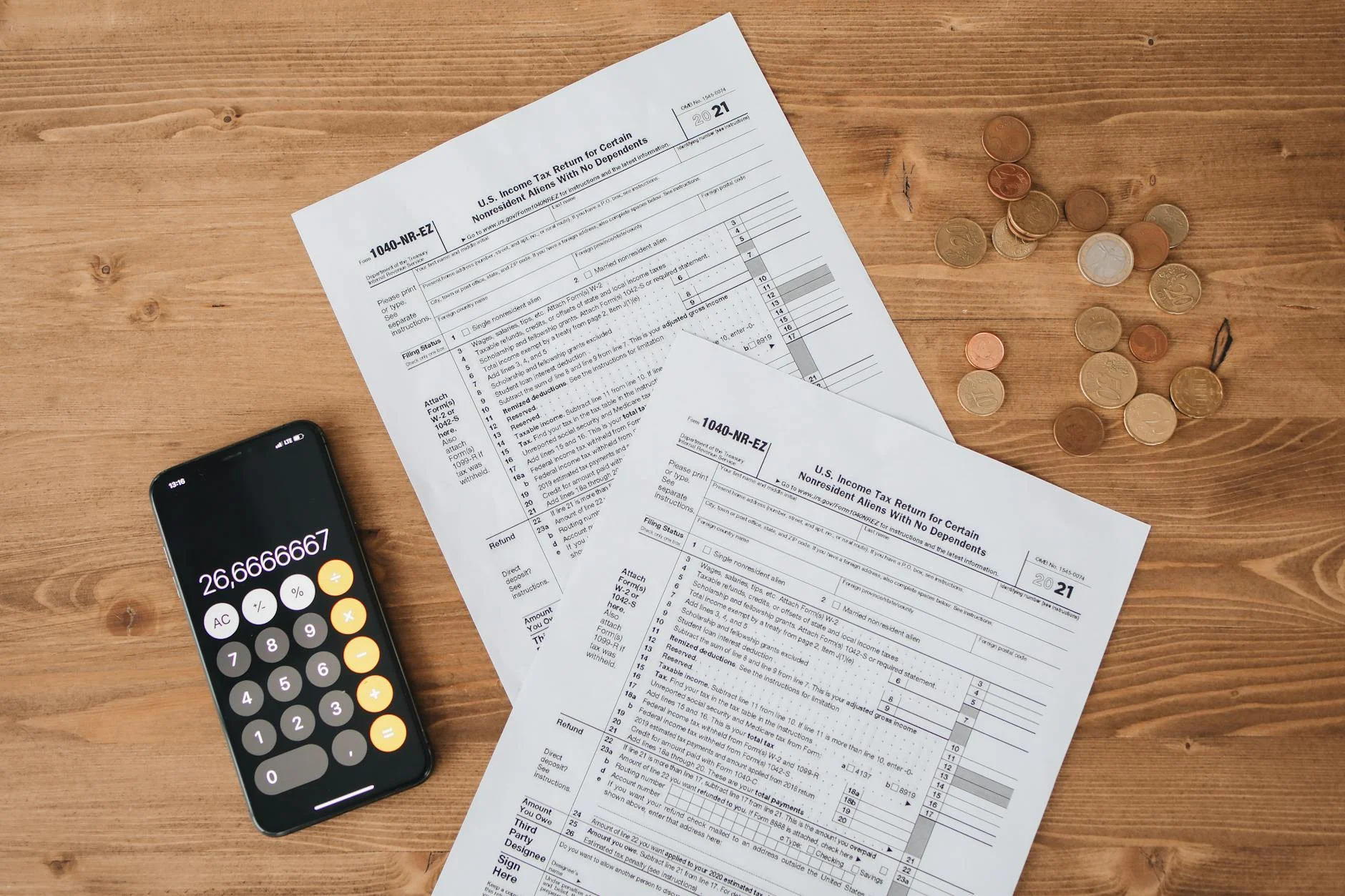
Tax Preparation Fees 2026: What to Expect from Accountants
As tax season for 2026 approaches, many individuals and businesses will consider enlisting professional help to navigate the complexities of filing. Understanding the potential costs upfront is key to making an informed decision and avoiding any last-minute surprises.
Accountant fees can vary significantly based on the complexity of your financial situation, geographical location, and the specific services required. Planning ahead and knowing what factors influence these charges will help you budget effectively for professional tax preparation.
Price Table
Below is an estimated range of fees you might encounter for common tax preparation services in 2026. Remember, these are general estimates, and actual costs can differ based on region, accountant’s experience, and the intricate details of your return.
| Item/Service | Estimated Range (USD) | Notes | |
|---|---|---|---|
| 📄 | Simple Federal Return (Form 1040, W-2 income only) | $225 – $400 | Basic return with standard deduction. |
| 💲 | State Return (single state, basic) | $75 – $175 | Often an add-on to federal return, per state. |
| ➕ | Itemized Deductions (Schedule A) | $100 – $250 | Adds complexity, requiring more detailed expense tracking. |
| 💼 | Small Business / Self-Employment (Schedule C) | $500 – $1,800+ | Varies greatly with revenue, expenses, and number of transactions. |
| 🏠 | Rental Property Income (Schedule E) | $200 – $600 | Per property, depending on level of detail for income/expenses. |
| 📈 | Investment Income (Schedule D, complex K-1s) | $150 – $500 | Capital gains/losses, multiple brokerage statements, partnership income. |
| 🔍 | Tax Planning & Consultation (hourly) | $150 – $450/hour | Proactive advice outside of filing; often billed hourly. |
| TOTAL (variable) | $300 – $2,500+ | Highly dependent on individual circumstances and chosen services. |

What Influences Accountant Fees in 2026?
Several factors will play a role in determining your final bill for tax preparation in 2026. The most significant is the overall complexity of your tax situation. A simple W-2 employee with no deductions will pay far less than a small business owner with multiple income streams, investments, and rental properties. Geographic location also matters; accountants in major metropolitan areas typically charge more than those in rural regions. Finally, the accountant’s experience level and specialization can command higher rates, though this often comes with greater expertise and potential tax savings.
One common mistake people make is underestimating the value of good organization. Arriving at your accountant’s office with neatly categorized documents, clear records, and a reconciled ledger for your business can significantly reduce the time they spend, and thus, your bill.
Strategies to Manage Your Tax Prep Costs
To keep your accountant fees in check for 2026, start by gathering all your relevant documents well in advance. This includes W-2s, 1099s, receipts for deductions, investment statements, and business records. Consider whether you need a full-service package or if a more limited review might suffice. Don’t hesitate to ask your prospective accountant about their pricing structure – some charge hourly, others offer flat fees for specific services, and some provide package deals. Always get a clear estimate before work begins. Sometimes, understanding their billing model can help you streamline the process and save money.

Frequently Asked Questions
Is it worth paying for an accountant for 2026 taxes?
For many, especially those with complex finances, self-employment income, or significant investments, the peace of mind and potential tax savings from an accountant far outweigh the fees. They can identify deductions or credits you might miss, saving you more than their cost.
When should I contact an accountant for 2026 taxes?
It’s best to reach out by late fall or early winter of 2026. This allows time for year-end tax planning and avoids the rush of January through April, when accountants are busiest and may have less availability.
Can an accountant save me money on my taxes?
Absolutely. A good accountant can help you optimize your tax situation, leverage available deductions and credits, and plan strategically for future tax years, potentially leading to substantial savings.

Images sourced from Pexels.