Deciphering 2026 Flooring Costs: Hardwood vs. Tile
Planning a home refresh in 2026? When it comes to flooring, both hardwood and tile offer incredible aesthetic appeal and long-term durability. However, the investment required can vary significantly based on material choice, regional labor rates, and the complexity of your project. Understanding these costs upfront is crucial for a realistic renovation budget.
Looking ahead to 2026, market fluctuations, supply chain stability, and demand continue to shape pricing. It’s not just about the square foot price of the material; installation, subfloor preparation, and miscellaneous supplies can add substantial amounts to your final bill. Let’s break down what you can expect when choosing between these popular flooring options.
Estimated 2026 Flooring Price Table
| Item/Service | Estimated Range (USD per sq. ft.) | Notes | |
|---|---|---|---|
| 🪵 | Hardwood Flooring Material (Engineered/Solid) | $4.50 – $18.00 | Quality, species, and finish heavily influence this range. Exotic woods or premium pre-finished planks trend higher. |
| タイル | Tile Flooring Material (Ceramic/Porcelain) | $2.50 – $15.00 | Basic ceramic is budget-friendly; large format porcelain, natural stone, or intricate designs push the higher end. |
| 📏 | Subfloor Preparation & Leveling | $1.50 – $4.00 | Essential for a lasting finish. Costs vary based on current subfloor condition. Don’t skip this – it’s a common mistake that leads to costly issues later. |
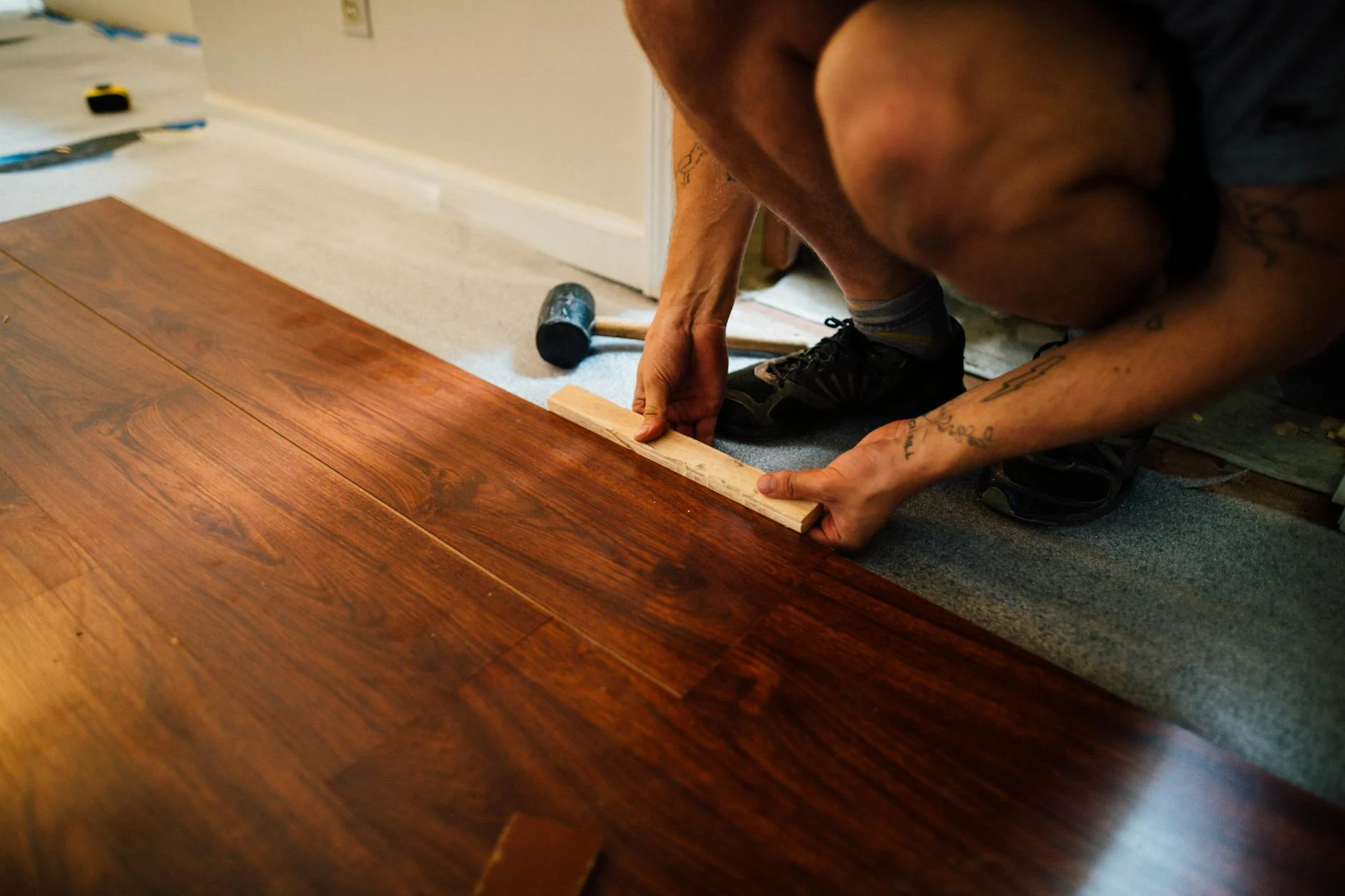
| 🛠️ | Hardwood Installation Labor | $6.00 – $12.00 | Varies by installer’s experience, region, and installation type (nail-down, glue-down, floating). |
| 👷 | Tile Installation Labor | $5.00 – $11.00 | Affected by tile size, pattern complexity (e.g., herringbone), and grout line width. Large format tiles can be trickier. |
| 🧴 | Adhesives, Grout, Underlayment, Sealants | $1.00 – $3.00 | Includes thin-set mortar, grout, appropriate underlayment for sound/moisture, and any necessary sealers. |
| 🚚 | Delivery & Waste Factor (approx. 10-15%) | $0.50 – $2.00 | Covers shipping fees and extra material for cuts, mistakes, and future repairs. |
| 🗑️ | Old Flooring Removal & Disposal | $1.00 – $3.00 | Depends on the type of existing flooring and disposal regulations in your area. |
| TOTAL (Hardwood, installed) | $14.50 – $43.00+ | **Estimates are per square foot and highly variable.** | |
| TOTAL (Tile, installed) | $12.50 – $38.00+ | **Consult local professionals for precise quotes based on your specific needs.** |
Beyond the Sticker Price: Hidden Costs & Value
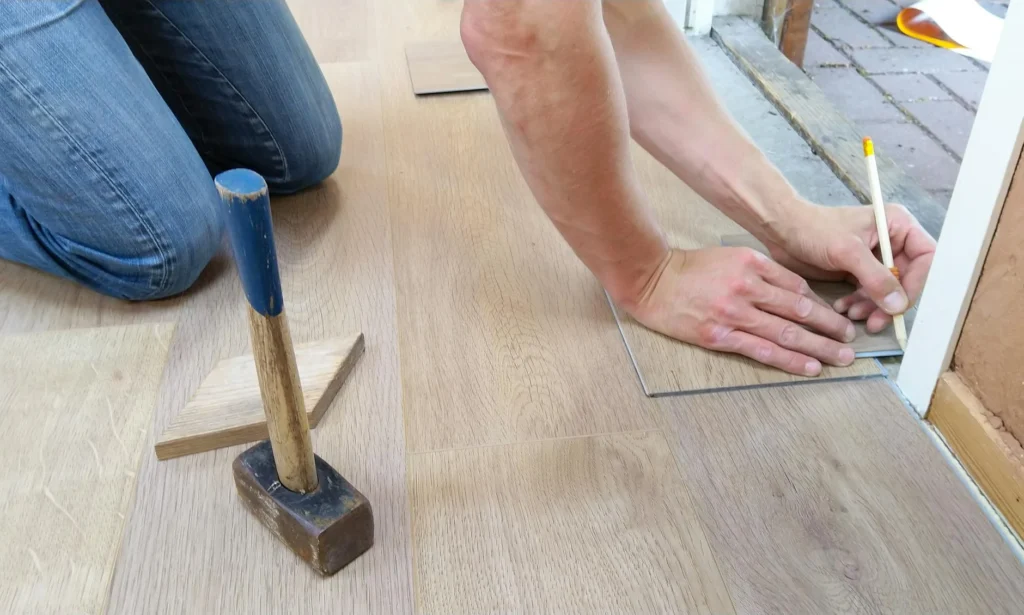
When budgeting, it’s easy to focus solely on the material and primary installation labor. However, overlooking elements like removing existing flooring, dealing with an uneven subfloor, or needing specialized trim can quickly inflate your project’s cost. For instance, if your existing subfloor needs extensive leveling or repair, that’s an additional expense often quoted separately. Many homeowners underestimate the cost of waste, so always factor in an extra 10-15% for cuts and mistakes – it’s far cheaper than halting a project waiting for a small reorder.
DIY or Professional Installation?
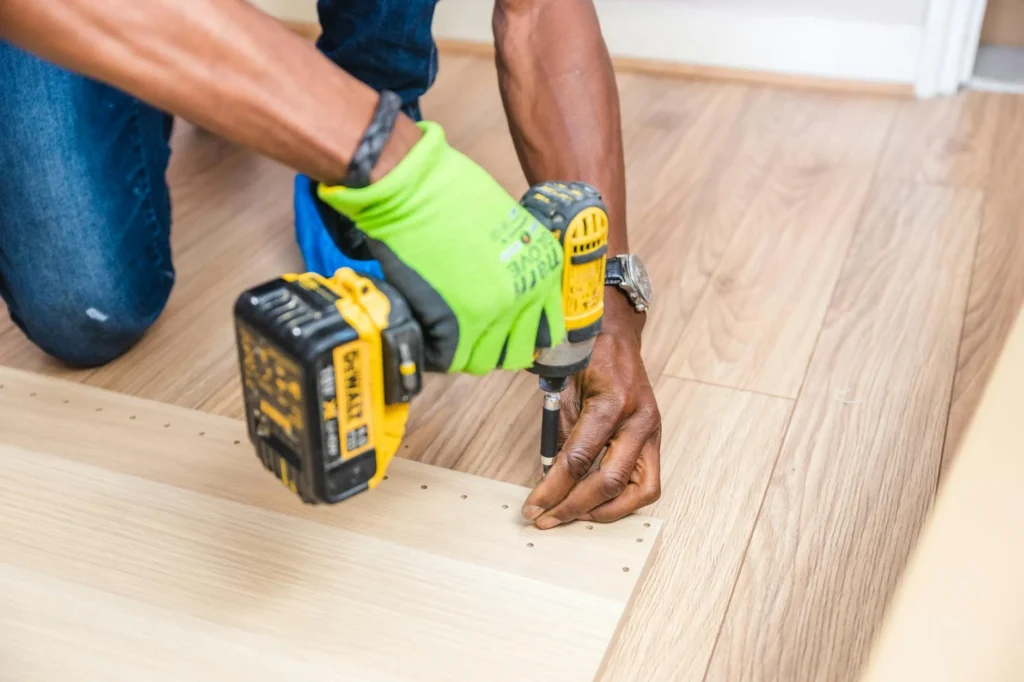
The allure of saving on labor costs with a DIY approach is strong. While a confident DIYer might tackle simpler floating hardwood or basic ceramic tile in a small area, professional installation for both hardwood and tile offers precision, efficiency, and a warranty on workmanship. Tile, especially, requires specific tools and a knack for precision with grout lines and cuts. Hardwood, particularly glue-down or nail-down, can be unforgiving if not done correctly. If you’re not an experienced hand, a professional install often prevents costly mistakes and ensures a beautiful, long-lasting finish.
Long-Term Value and Maintenance
Both hardwood and tile significantly boost a home’s value and appeal. Hardwood brings warmth and can be refinished multiple times, extending its lifespan for decades. Maintenance typically involves regular sweeping/vacuuming and occasional damp mopping. Tile, known for its extreme durability and water resistance, is ideal for kitchens, bathrooms, and high-traffic areas. It’s incredibly easy to clean but can be prone to chipped grout over time, which may require periodic re-grouting. Consider your lifestyle and how each option fits into your long-term maintenance preferences.
FAQ
Q: Does climate affect my choice between hardwood and tile?
A: Absolutely. Hardwood can expand and contract with humidity changes, making it less ideal for extremely humid climates or areas prone to significant moisture unless proper acclimatization and engineered options are used. Tile, being non-porous (especially porcelain), performs excellently in high-humidity environments and is often preferred in warmer regions for its cooling properties.
Q: What about underlayment? Do I always need it?
A: Yes, underlayment is almost always recommended or required. For hardwood, it provides a moisture barrier, sound dampening, and a smoother surface. For tile, an uncoupling membrane (or cement board) is crucial to prevent cracks from subfloor movement and to manage moisture. The specific type depends on your subfloor and the manufacturer’s recommendations.
Q: Is professional installation always worth the extra cost?
A: For most homeowners, yes. Professionals have the experience, specialized tools, and knowledge to handle common issues like uneven subfloors, intricate cuts, and proper adhesive application. This ensures a durable, aesthetically pleasing result that lasts, often backed by a warranty. Attempting a complex install yourself can lead to costly material waste, premature wear, and an unsatisfactory finish.
Images sourced from Pexels.