
Updated Cataract Surgery Costs for 2026: Your Financial Guide
Planning for cataract surgery in 2026? Understanding the financial landscape is a crucial first step. As medical advancements continue and economic factors shift, anticipated costs can vary. This guide provides a detailed look at what you can expect to pay, helping you prepare your budget and make informed decisions.
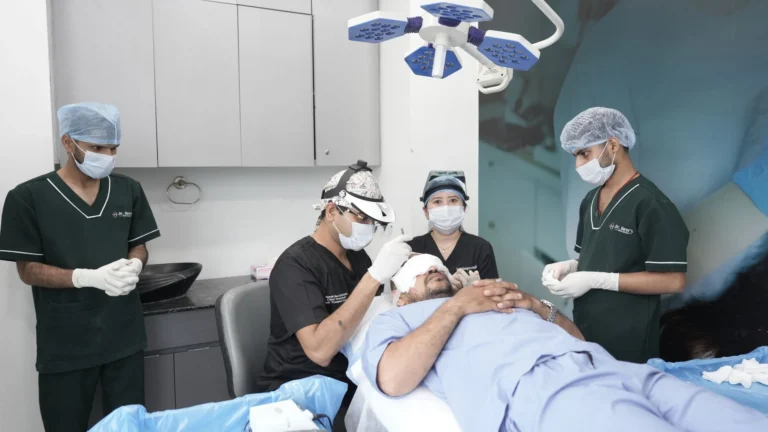
Cataract surgery is a common and highly effective procedure to restore clear vision. While the procedure itself is standardized, the overall cost can fluctuate significantly based on several factors, including your chosen surgical facility, the type of intraocular lens (IOL) used, the surgeon’s fees, and your geographic location. Let’s break down the potential expenses you’ll encounter.

Price Table: Estimated Cataract Surgery Costs for 2026
Please note: These are estimated ranges for a single eye and can vary widely based on your provider, geographic region, specific lens choice, and insurance coverage. Always get a personalized quote from your chosen clinic.
| Item/Service | Estimated Range (USD) | Notes | |
|---|---|---|---|
| 👁️ | Surgeon’s Fee | $1,500 – $4,000 | Covers the surgeon’s expertise; varies by reputation and complexity of case. |
| 🩺 | Anesthesiologist’s Fee | $400 – $1,000 | Cost for administering and monitoring anesthesia during the procedure. |
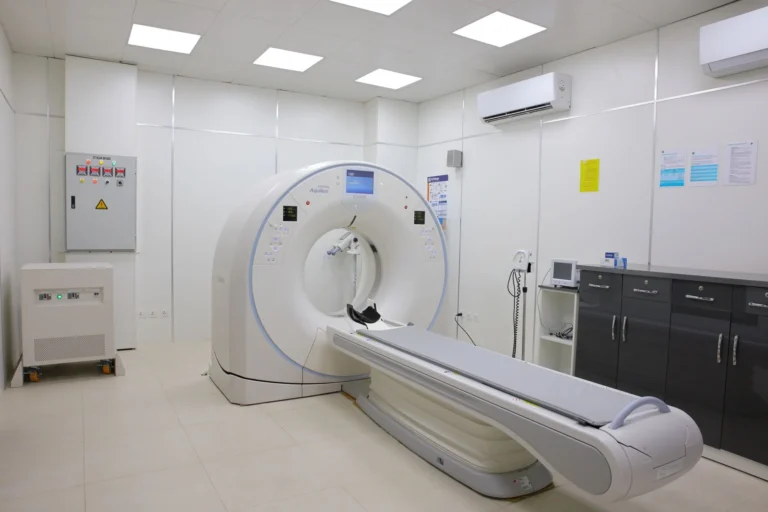
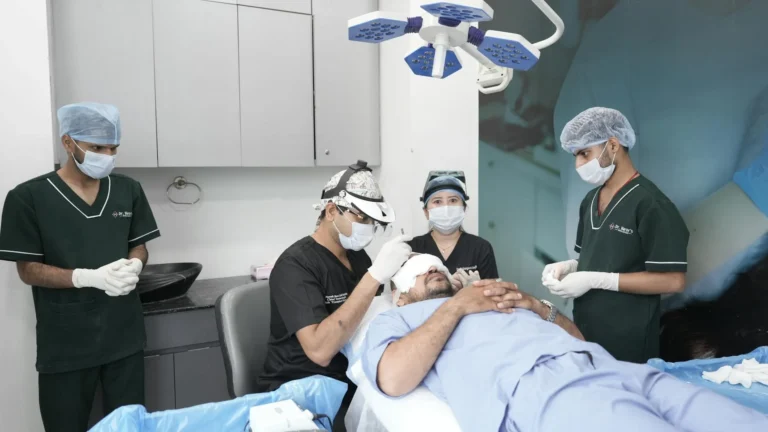
| 🏥 | Facility Fee | $1,200 – $2,800 | Covers the use of the operating room, staff, and equipment at the surgical center or hospital. |
| 🔬 | Intraocular Lens (IOL) | $500 – $4,000+ | Standard monofocal IOLs are on the lower end; premium (toric, multifocal, extended depth of focus) lenses increase cost significantly. |
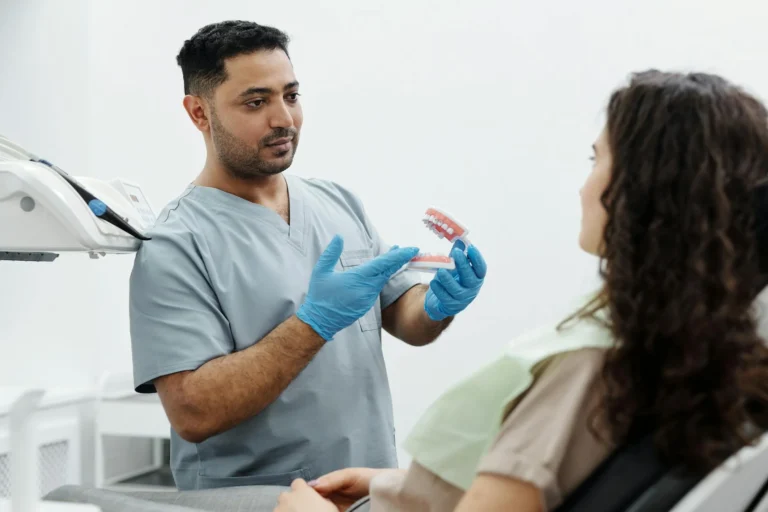
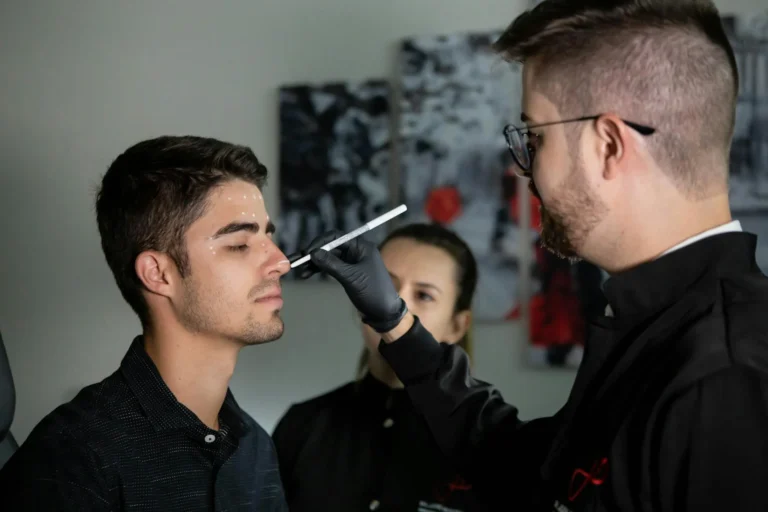
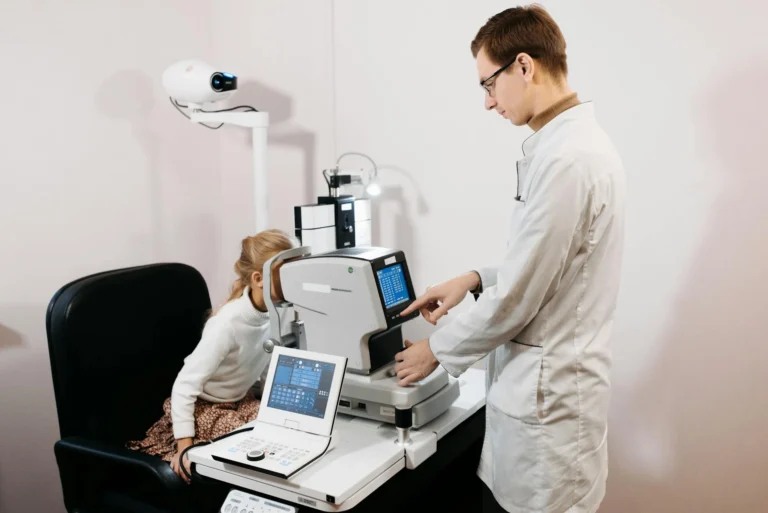
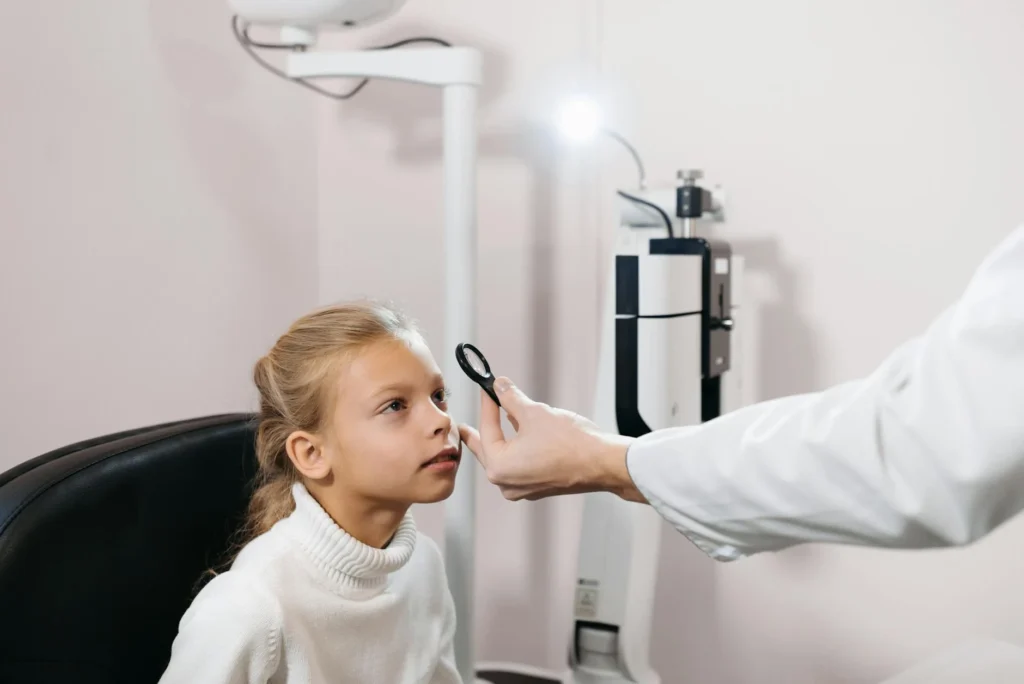
| 📝 | Pre-Operative Assessments | $200 – $600 | Includes eye exams, measurements, and consultations to plan the surgery. |
| 🩹 | Post-Operative Care | $150 – $500 | Follow-up appointments and examinations for healing progress. |
| 💊 | Prescription Medications | $50 – $200 | Eyedrops for inflammation and infection prevention. |
| TOTAL (per eye) | $4,000 – $13,100+ | This range is highly dependent on IOL choice and facility. |
Understanding Your IOL Choices
A significant cost driver in cataract surgery is the choice of Intraocular Lens (IOL). Standard monofocal IOLs provide clear vision at one fixed distance, often covered more comprehensively by insurance. Premium IOLs, such as toric lenses for astigmatism correction or multifocal/extended depth of focus lenses for near and distance vision, offer greater spectacle independence but come at a higher out-of-pocket cost. Many patients are surprised by how much their choice of IOL can sway the final bill. Don’t assume the most advanced option is always necessary; discuss alternatives thoroughly with your surgeon.
Most major medical insurance plans in 2026, including Medicare, will likely cover the essential components of cataract surgery, particularly the standard monofocal IOL. However, they typically won’t cover the full cost of premium IOLs or elective upgrades. It’s vital to contact your insurance provider well in advance to understand your specific benefits, deductibles, co-pays, and out-of-pocket maximums. A common financial oversight is not getting pre-authorization from your insurance well in advance. Without it, even covered services can be denied or subject to higher out-of-pocket costs.
Tips for Managing Costs
- Get Multiple Quotes: Prices can vary between ophthalmologists and surgical centers.
- Discuss Payment Plans: Many facilities offer financing options or payment plans to help spread the cost.
- Consider FSAs/HSAs: If you have a Flexible Spending Account (FSA) or Health Savings Account (HSA), these are excellent tools for tax-advantaged savings to cover medical expenses.
Frequently Asked Questions (FAQ)
Will Medicare cover my cataract surgery in 2026?
Generally, yes. Medicare typically covers cataract surgery using a standard monofocal IOL. However, you will still be responsible for deductibles, co-insurance, and any costs associated with premium IOLs or elective services not deemed medically necessary.
Is cataract surgery cheaper at an outpatient surgical center compared to a hospital?
Often, yes. Outpatient surgical centers (Ambulatory Surgical Centers or ASCs) typically have lower overheads than hospitals, which can translate to reduced facility fees for patients. Confirm this with your provider.
Can I get both eyes done at once to save money?
While possible in some specific situations, most surgeons recommend performing cataract surgery on one eye at a time, with a recovery period in between. This approach minimizes risks and allows for optimal healing of the first eye before proceeding with the second. Cost savings, if any, would be minimal and outweighed by medical best practices.
What if I need laser-assisted cataract surgery? Does that cost more?
Yes, laser-assisted cataract surgery (FLACS) is generally considered a premium service and will likely incur additional out-of-pocket costs beyond traditional phacoemulsification. Discuss the benefits and specific pricing with your surgeon to determine if it’s the right choice for you.
Images sourced from Pexels.