The Current Cost of Cataract Surgery: What to Expect Today
Facing cataract surgery can feel like a big step, and understanding the financial aspect is naturally a top concern for many. While the primary goal is restoring clear vision, knowing what goes into the bill helps you plan effectively.
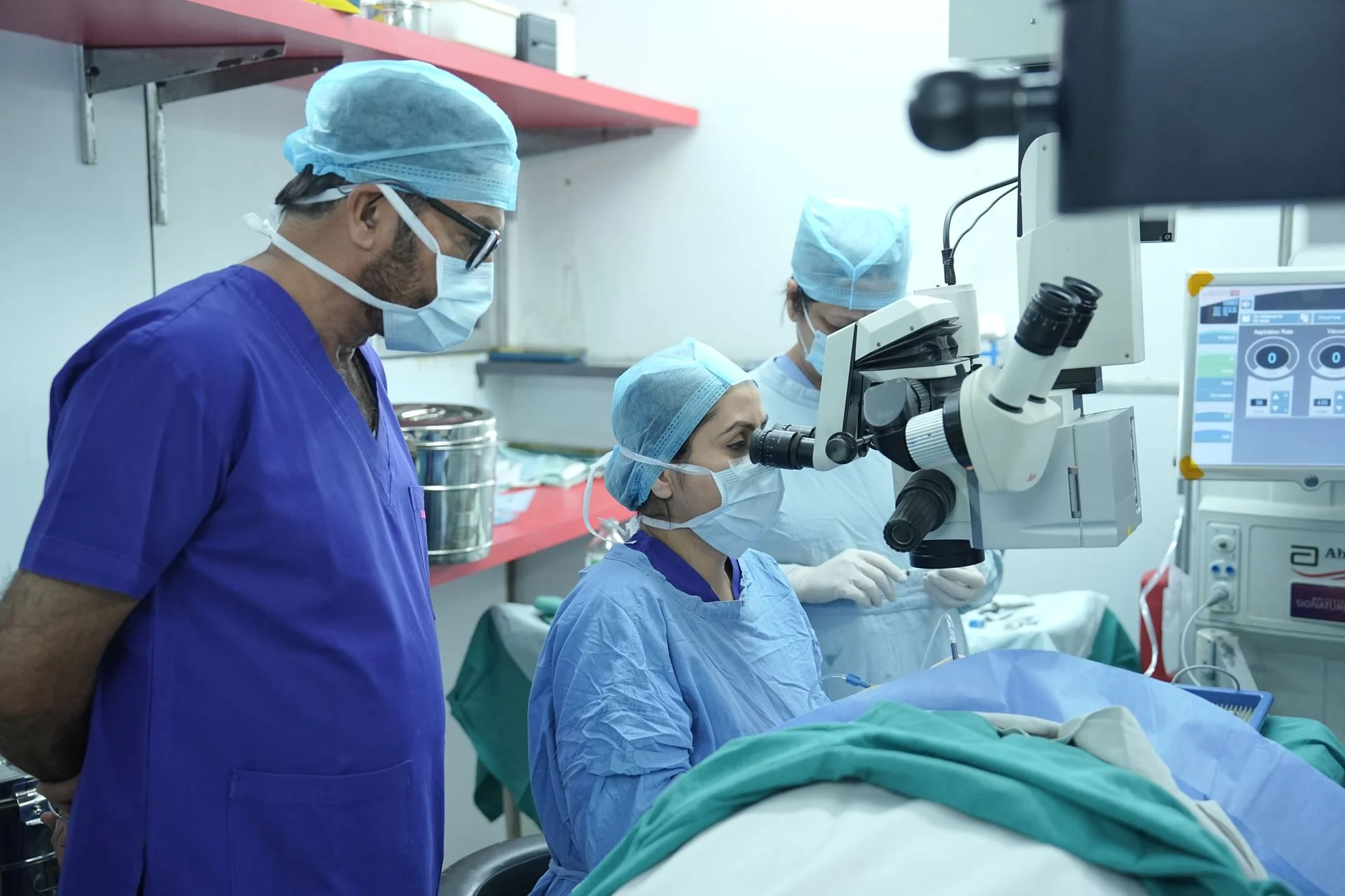
Today’s cataract surgery is highly advanced, typically a quick outpatient procedure. However, the total cost isn’t a single flat rate. It’s a combination of several factors, from the surgeon’s expertise to the type of intraocular lens (IOL) you choose. Let’s break down what you might encounter.
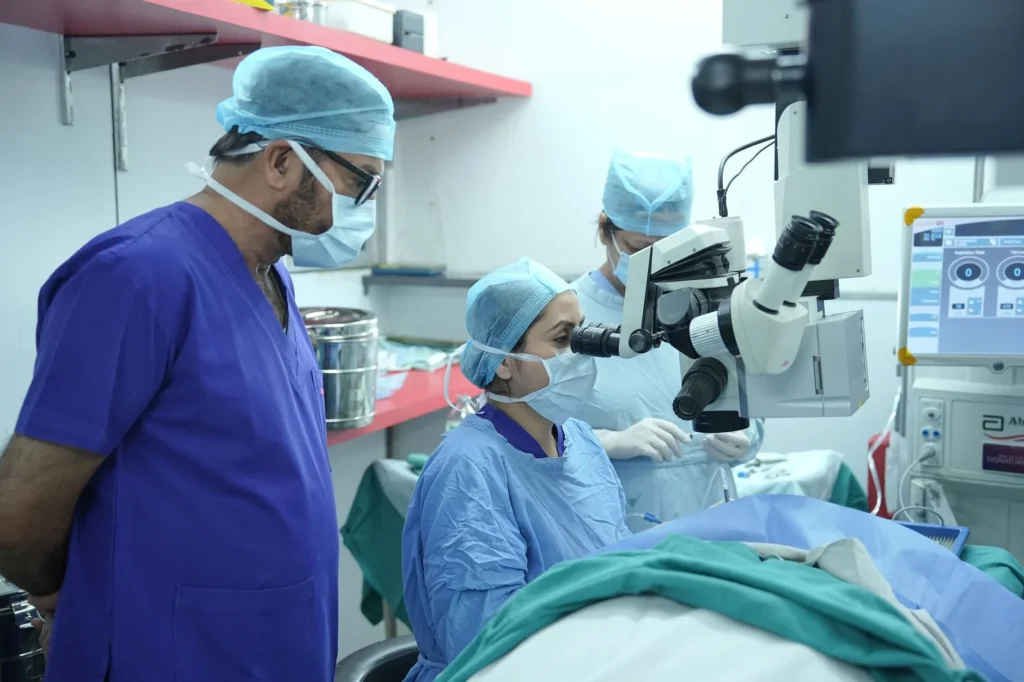
Current Cost Breakdown: Price Table

These are estimated ranges per eye and can vary significantly based on your location, chosen surgeon, the specific type of intraocular lens (IOL), and whether any complications arise. Always get a detailed, itemized quote before your surgery.
| Item/Service | Estimated Range (USD) | Notes | |
|---|---|---|---|
| 👁️ | Surgeon’s Professional Fee | $1,500 – $3,500 | Covers the surgeon’s expertise for the procedure. |
| 🏥 | Facility Fee (Ambulatory Surgical Center) | $1,200 – $2,800 | Cost for using the operating room, staff, and equipment. |
| 😴 | Anesthesia Services | $400 – $800 | Includes the anesthesiologist’s fee and sedative medication. |
| 👓 | Standard Intraocular Lens (IOL) | Often included / $300 – $1,000 | Basic lens to replace the clouded natural lens. Often bundled. |
| ✨ | Premium IOL (Toric, Multifocal, etc.) | $1,500 – $4,500 (out-of-pocket) | Corrects astigmatism or provides vision at multiple distances. Typically not fully covered by insurance. |
| 🩺 | Pre-Operative Exams & Tests | $150 – $400 | Measurements and evaluations before surgery. |
| 💊 | Post-Operative Visits & Medications | $100 – $300 | Follow-up care and necessary eye drops. |
| 💲 | TOTAL (Per Eye, Standard IOL) | $3,350 – $8,800 | Estimated range for a single eye with a standard lens. |

Factors Influencing Your Cataract Surgery Bill
Beyond the basics, several elements can push the cost up or down. Your geographic location plays a role; surgery in a major metropolitan area might cost more than in a smaller town. The surgeon’s reputation and experience also factor in; highly sought-after specialists may command higher fees. Don’t overlook the potential for ‘surprise’ charges, like specialized tests or premium lens upgrades that aren’t fully covered by insurance, which can significantly alter your out-of-pocket expense.
Understanding Insurance Coverage
Most health insurance plans, including Medicare, consider standard cataract surgery medically necessary and will cover a significant portion of the cost. However, this coverage usually only extends to the standard intraocular lens (IOL). If you opt for premium IOLs designed to correct astigmatism or presbyopia (multifocal lenses), you’ll likely pay the difference out-of-pocket. Always confirm your specific plan’s benefits and any co-pays or deductibles before scheduling your procedure.
Cataract Surgery FAQ
Will my insurance cover cataract surgery?
Most health insurance plans, including Medicare, cover standard cataract surgery when it’s deemed medically necessary. However, coverage for premium intraocular lenses (IOLs) or elective enhancements is typically limited or excluded.
Premium IOLs are advanced lenses designed to offer additional vision correction beyond just removing the cataract, such as correcting astigmatism (toric IOLs) or allowing for vision at multiple distances (multifocal IOLs). Their higher cost reflects the advanced technology and the fact that insurance often considers them elective.
Can I get a payment plan for cataract surgery?
Many ophthalmology practices offer financing options or work with third-party medical financing companies. It’s always worth discussing payment plans or discount options with the clinic’s financial counselor.

Images sourced from Pexels.