
Dental Implants: Current Prices & Procedure Insights
Considering dental implants can feel like a big decision, both for your oral health and your wallet. They’re a long-term solution for missing teeth, offering stability and a natural look that bridges the gap left by gaps in your smile. But navigating the costs and understanding the process can be tricky.
This guide breaks down what you can expect when exploring dental implants. We’ll look at the typical expenses involved, from the initial consultation to the final crown, and walk you through the general steps of the procedure. Our goal is to equip you with the knowledge to make informed decisions without any surprises.

Price Table: Understanding Your Investment
| Item/Service | Estimated Range (USD) | Notes | |
|---|---|---|---|
| 🦷 | Initial Consultation & Exam | $50 – $300 | May include X-rays, often credited towards treatment. |
| 🦴 | Bone Graft (if needed) | $200 – $3,000 per site | Adds volume or density to the jawbone. Varies greatly by material & extent. |
| ⛏️ | Tooth Extraction (if needed) | $75 – $600 per tooth | Cost depends on complexity. Simple extractions are less. |
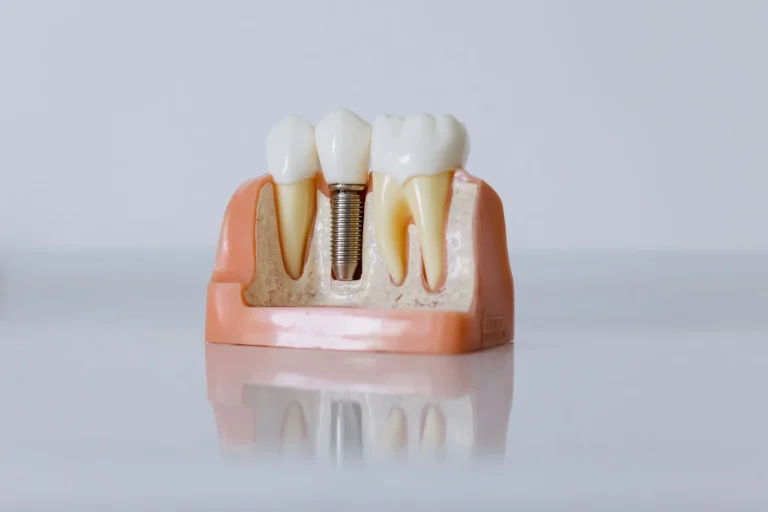
| ⚙️ | Implant Post (Fixture) | $1,000 – $3,000 | The titanium screw placed into the jawbone. |
| 🔗 | Abutment | $300 – $600 | Connects the implant post to the crown. |
| 👑 | Dental Crown | $800 – $2,500 | The visible tooth, made from porcelain, ceramic, or zirconia. |
| 💉 | Anesthesia/Sedation | $150 – $1,000+ | Local anesthesia is often included. IV sedation or general anesthesia costs more. |
| 🧪 | Post-Operative Care & Medications | $50 – $200 | Follow-up visits, antibiotics, pain relievers. |
| TOTAL (per single implant) | $3,000 – $6,000+ | This is a general estimate for a single implant. Complex cases or full mouth restorations will be significantly higher. |

Disclaimer: These are estimated ranges for a single dental implant. Actual costs can vary significantly based on your geographical location, the specific dentist or oral surgeon, the quality of materials used, the complexity of your case, and any additional procedures required (like bone grafts or extractions). Always get a detailed quote from your provider that itemizes all services.
Factors Influencing Cost
Why such a wide price range? Several elements play a role. The expertise of the dental professional—a highly experienced oral surgeon or prosthodontist might charge more. The type of materials for the implant and crown also matters; high-quality, durable materials cost more but often last longer. Don’t forget geographical location, too; major metropolitan areas typically have higher dental costs than rural ones.
One common mistake people make is only comparing the ‘implant’ price without understanding what’s included. A lower upfront quote might not cover the abutment, crown, or follow-up visits. Always ask for a comprehensive breakdown of all expected costs from start to finish. This helps avoid unexpected charges later on.
The Procedure Explained
Getting a dental implant usually involves a few stages over several months. First, a thorough examination, including X-rays and 3D scans, determines if you’re a good candidate. If your jawbone isn’t strong enough, a bone graft might be performed first, requiring healing time.
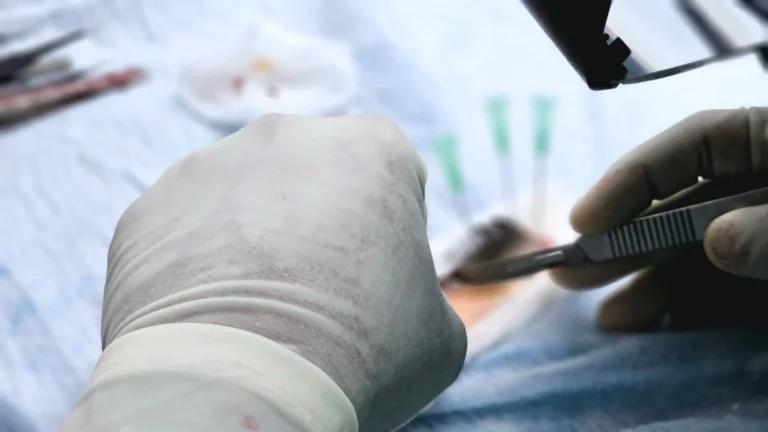
Next, the titanium implant post is surgically placed into your jawbone. This is followed by a crucial healing period, typically 3-6 months, during which the implant fuses with your bone (osseointegration). Once healed, an abutment is attached to the implant, acting as a connector. Finally, a custom-made crown, designed to match your existing teeth, is placed on top of the abutment, completing your new tooth.
Common Questions About Implants
Are dental implants covered by insurance?
It varies widely. Most standard dental insurance plans offer limited or no coverage for implants, often classifying them as a cosmetic procedure. However, some higher-tier plans or medical insurance might cover a portion if the implant is deemed medically necessary. Always check with your insurance provider directly.
How long do dental implants last?
With proper care and good oral hygiene, dental implant posts can last a lifetime. The crowns, however, may need replacement after 10-15 years, similar to natural tooth crowns, due to normal wear and tear.
Is the dental implant procedure painful?
The procedure itself is performed under local anesthesia, so you shouldn’t feel pain. You might experience some discomfort, swelling, or mild pain in the days following the surgery, which can usually be managed with over-the-counter pain relievers or prescribed medication.
What are the alternatives to dental implants?
Alternatives include dental bridges, which use adjacent teeth for support, or removable partial or full dentures. While these are often less expensive upfront, implants offer superior stability, bone preservation, and a more natural feel.

Images sourced from Pexels.