Dental Implants 2026: Your Ultimate Guide to Cost & Care
Considering dental implants in 2026? This sophisticated solution for missing teeth continues to be a top choice for its durability and natural appearance. Planning ahead means understanding not just the procedure itself, but also the full financial picture.
Getting a clearer idea of potential costs now can help you budget effectively and make informed decisions about your oral health investment. Remember, while the long-term benefits are substantial, the initial outlay requires careful consideration.
Price Table
| Item/Service | Estimated Range (USD) | Notes | |
|---|---|---|---|
| 🦷 | Initial Consultation & X-rays | $150 – $400 | Includes initial assessment, diagnostics. May be credited towards treatment. |
| 💡 | CT Scan (if needed) | $300 – $600 | Detailed 3D imaging for precise planning. |
| ⛏️ | Tooth Extraction (if needed) | $150 – $450 per tooth | Cost depends on complexity of removal. |
| 🦴 | Bone Grafting (if needed) | $500 – $3,000+ | Required if jawbone density is insufficient to support implant. Varies by material and extent. |
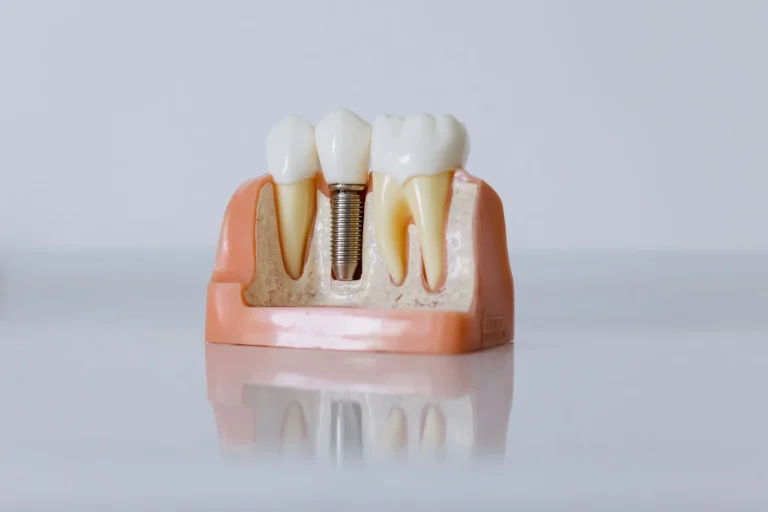
| 🔩 | Dental Implant Post (Surgery) | $1,500 – $3,500 per implant | The titanium screw placed into the jawbone. This is the surgical component. |
| 🔗 | Abutment | $400 – $1,000 per abutment | Connector between the implant post and the crown. |
| 👑 | Dental Crown (Restoration) | $800 – $2,500 per crown | The visible, artificial tooth. Varies by material (porcelain, ceramic, zirconia) and lab. |
| 💊 | Medications & Anesthesia | $50 – $500 | Pain relievers, antibiotics, local or IV sedation during procedure. |
| ➕ | Follow-up Appointments | $0 – $200 | Post-operative checks, often included in the total fee. |
| TOTAL (per single implant) | $3,500 – $8,000+ | *Prices vary significantly based on geographic region, provider expertise, material choices, and complexity of individual case. Always get a detailed quote.* |
Beyond the Implant: Understanding the Full Cost
It’s crucial to understand that the “cost of an implant” isn’t just one number. As the table shows, it’s a sum of several distinct services and components. Many people make the mistake of only inquiring about the implant post itself, overlooking crucial preparatory work like extractions or bone grafting, which can significantly alter the final bill. Always ask for a comprehensive, itemized treatment plan upfront.
Insurance and Financing Options
While standard dental insurance plans in 2026 often cover a portion of diagnostic procedures, extractions, or even some bone grafting, coverage for the implant post and crown itself can still be limited. Some plans might categorize implants as a major restorative procedure with a percentage covered after a deductible. Explore options like dental financing companies, which offer payment plans, or health savings accounts (HSAs) and flexible spending accounts (FSAs) to cover out-of-pocket expenses.
Choosing an implant provider goes beyond just comparing price tags. Look for a highly experienced oral surgeon, periodontist, or prosthodontist who specializes in implant dentistry. Ask about their success rates, the types of materials they use, and if they offer any warranties on their work. A cheaper initial quote might become more expensive if complications arise due to inexperience or substandard materials.
FAQs about Dental Implants in 2026
How long do dental implants last?
With proper care and oral hygiene, dental implants placed in 2026 are expected to last many decades, often a lifetime. The crown, however, may need replacement after 10-15 years due to normal wear and tear.
Is the procedure painful?
The implant placement surgery is typically performed under local anesthesia, so you shouldn’t feel pain during the procedure. Post-operative discomfort is manageable with prescribed or over-the-counter pain medication.
Are dental implants covered by medical insurance?
Generally, medical insurance does not cover dental implants unless the tooth loss is due to a severe accident or medical condition, and even then, coverage is often partial. It’s always best to check with both your dental and medical insurance providers.
What is the recovery like?
Initial recovery, involving swelling and discomfort, usually lasts a few days to a week. The full osseointegration process, where the implant fuses with the jawbone, takes 3-6 months. During this time, you might wear a temporary restoration.
Images sourced from Pexels.