Window Replacement Costs: What to Expect in 2026
Planning for a home upgrade in 2026? Replacing your windows is often a significant investment, but it’s one that pays dividends in improved energy efficiency, curb appeal, and overall home value. With construction materials and labor costs seeing expected shifts, it’s smart to get a clear picture of what your budget should look like.
Understanding the various components of window replacement — from the window type itself to installation complexities and optional upgrades — is crucial for making informed decisions. This guide will help you navigate the expenses, ensuring you’re well-prepared for your 2026 project, no matter your property’s style or your personal goals.
Price Table
Please note: These are estimated ranges for 2026. Actual costs will vary significantly based on your specific region, chosen provider, window quality, and project complexity.
| Item/Service | Estimated Range (USD) | Notes | |
|---|---|---|---|
| 🪟 | Single-Hung Window | $300 – $800 | Basic, often found in older homes. |
| 🖼️ | Double-Hung Window | $400 – $1,000 | Most common type, good ventilation. |
| 🏡 | Casement Window | $500 – $1,200 | Hinged on the side, excellent seal. |
| 🛠️ | Bay or Bow Window | $1,500 – $4,000 | Adds dimension and light, complex installation. |
| 👷 | Installation Labor (per window) | $150 – $400 | Varies by window type, home age, and regional rates. |
| 🗑️ | Old Window Removal & Disposal | $50 – $150 | Often included in labor; confirm this upfront. |
| 📏 | Custom Sizing Surcharge | 10% – 25% of window cost | For non-standard or unusually sized openings. |
| ♻️ | Energy-Efficient Upgrades (per window) | $50 – $200 | Low-E coatings, argon gas fills, triple pane glass. |
| TOTAL | Varies Widely | Budget roughly $500 – $1500+ per window, installed. |

Key Factors Influencing Your 2026 Window Replacement Cost
Beyond the basic price per window, several elements can swing your final bill. The type of window, of course, plays a huge role; a simple single-hung unit costs less than a large, multi-pane bay window. Frame material also matters. Vinyl is typically the most budget-friendly, followed by wood, then fiberglass, and finally aluminum, which often comes with a premium for its durability and sleek profile.
Glass features are another major driver. Opting for double-pane glass is standard, but triple-pane, specialized Low-E (low-emissivity) coatings, or inert gas fills (like argon) for better insulation will increase costs. Lastly, the complexity of the labor itself — whether your home is older with challenging openings, or if there’s difficult access to windows — can significantly impact installation charges. Don’t fall for the first impressive sales pitch; understanding these variables empowers you to compare quotes effectively.
Smart Ways to Save on Window Replacement
Even with rising costs, there are strategies to keep your window replacement project affordable. Always secure at least three detailed quotes from different reputable contractors. You might find a significant range in pricing for the exact same scope of work. Consider scheduling your installation during the off-season, such as late fall or winter, when contractors might offer discounts to keep their crews busy.
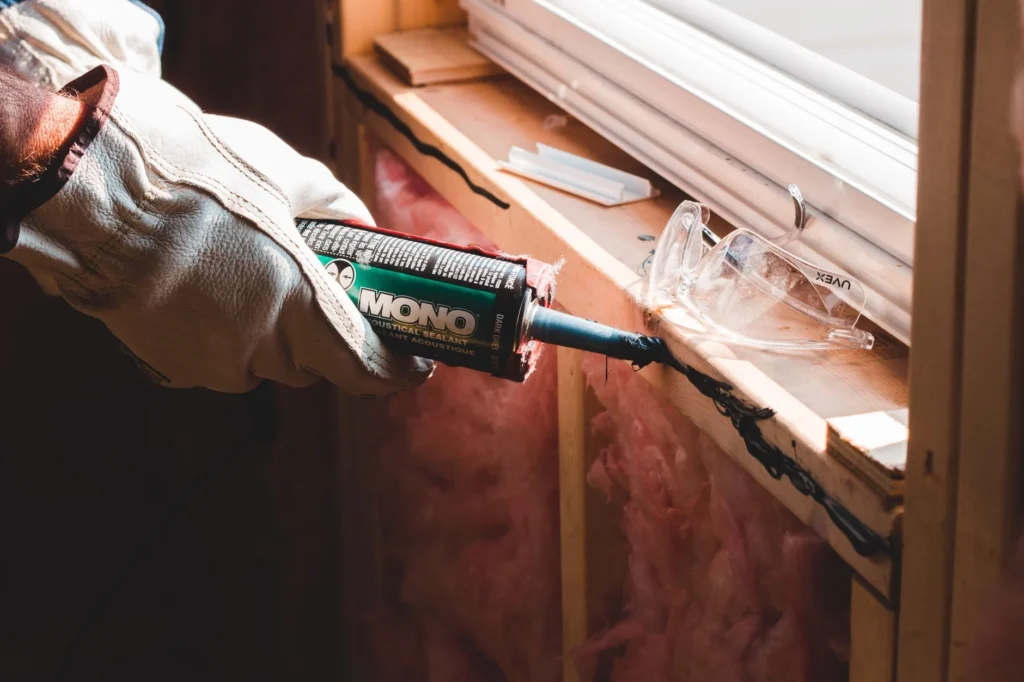
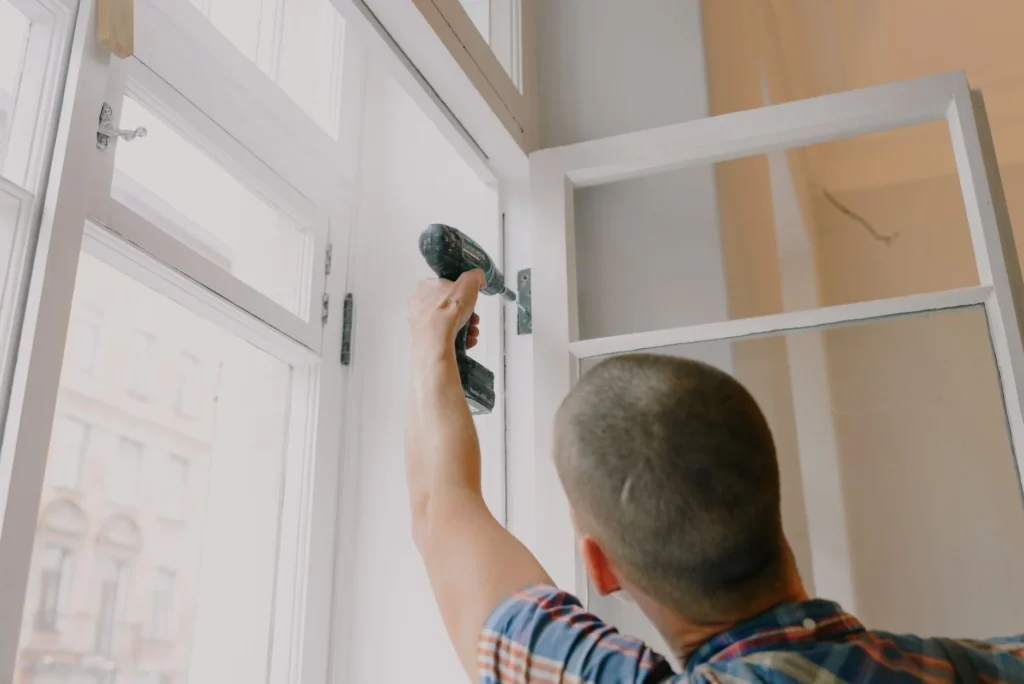
While full DIY installation isn’t recommended for most homeowners due to the precision required for proper sealing and energy efficiency, you might handle minor prep work yourself, such as removing old curtains or clearing the work area. A common mistake is underestimating the exactness needed for a perfect window seal, which can lead to drafts and higher energy bills later on if not done professionally.
Frequently Asked Questions about 2026 Window Costs
What’s the best time of year to replace windows?
Fall or spring are generally ideal because the mild weather is comfortable for installers and helps with sealants. However, you might find better deals during the colder winter months when demand is typically lower.
How long does window replacement typically take?
For a standard residential home, replacing all windows usually takes a professional crew anywhere from one to three days. Larger homes or complex window types will naturally extend that timeline.
Are energy-efficient windows worth the extra cost?
Absolutely. While they come with a higher upfront price tag, energy-efficient windows — with features like Low-E coatings and argon gas — significantly reduce heat transfer, leading to noticeable savings on your heating and cooling bills over the lifespan of the windows. They also often qualify for potential energy tax credits or utility rebates, which can further offset the initial investment.
Images sourced from Pexels.