Rhinoplasty Cost 2026: What’s the Updated Price?
Planning for a rhinoplasty in 2026? Understanding the financial aspect early is key to making an informed decision. As with any specialized medical procedure, costs can fluctuate based on a multitude of factors, but we can project some clear ranges for the coming year.
By 2026, advancements in techniques and ongoing demand will continue to shape pricing. This breakdown aims to give you a realistic picture of the investment required, covering everything from surgeon fees to post-operative care. Remember, these figures are estimates and reflect the typical costs you might encounter across various providers and regions.
Price Table
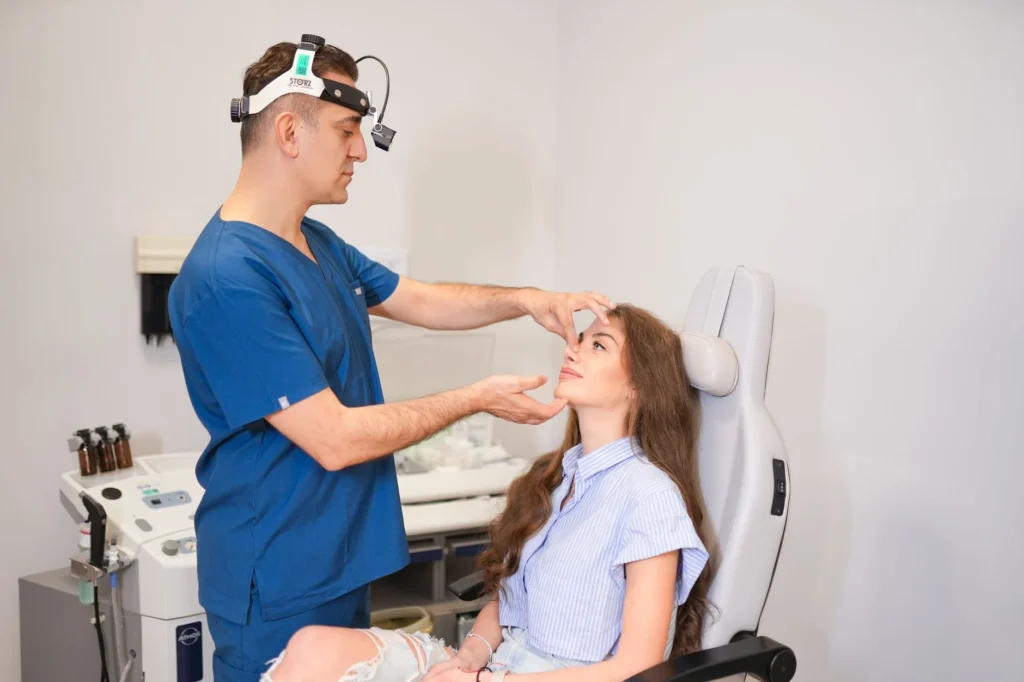
Here’s what you can expect your rhinoplasty investment to look like in 2026:
| Item/Service | Estimated Range (USD) | Notes | |
|---|---|---|---|
| 💰 | Surgeon’s Fee | $7,000 – $18,000 | Highly dependent on surgeon’s experience, reputation, and procedure complexity. |
| 😴 | Anesthesia Fee | $1,200 – $3,500 | Covers the anesthesiologist’s time and necessary medications. Varies by duration. |
| 🏥 | Facility Fee | $1,800 – $4,500 | Cost for using the surgical facility or accredited operating room. |
| 🧪 | Pre-Operative Tests | $200 – $700 | Blood work, medical clearances, and other necessary diagnostics. |
| 💊 | Prescriptions | $100 – $400 | Pain medication, antibiotics, and other post-op prescriptions. |
| 🩹 | Post-Operative Care & Follow-ups | $300 – $1,000 | Includes initial follow-up visits; extensive revisions would be separate. |
| TOTAL | $10,600 – $28,100 | Estimated total range. These figures do not include potential travel or accommodation. |

Please note: These estimated ranges are subject to significant variation based on geographic location (e.g., major metropolitan areas often cost more), the surgeon’s expertise, the complexity of your specific case, and the clinic’s overhead. Always obtain a personalized quote.
Understanding Your Rhinoplasty Investment
A nose job isn’t a single line item. It’s a combination of professional services and facility charges. The largest component will always be the surgeon’s fee, reflecting their skill, training, and artistic eye. Don’t fall for surprisingly low quotes; they often hide additional fees or compromise on critical aspects like facility accreditation or experienced staff.
Factors Influencing Your Final Bill
Beyond the core services, several elements can swing your total cost. A revision rhinoplasty, for example, is almost always more expensive than a primary procedure due to increased complexity. The type of anesthesia used – local with sedation versus general anesthesia – also plays a role in the anesthesia fee. Your geographic location, as mentioned, is a huge factor. A surgeon in New York City or Beverly Hills will likely charge more than one in a smaller city.
Your initial consultation is crucial. By 2026, most plastic surgeons will charge a fee for this comprehensive meeting, typically ranging from $100 to $500. It’s a vital step where you discuss your goals, the surgeon assesses your anatomy, and a customized plan is developed. Always clarify if this consultation fee is credited towards the procedure cost should you decide to proceed. Knowing this upfront avoids confusion later on.
FAQs About 2026 Rhinoplasty Costs
Q: Does insurance cover rhinoplasty in 2026?
A: Generally, insurance will not cover purely cosmetic rhinoplasty. If the procedure is medically necessary (e.g., to correct breathing problems due to a deviated septum), a portion might be covered. You’ll need pre-authorization and documentation from your doctor.
Q: Can I finance my rhinoplasty?
A: Yes, most plastic surgery practices work with medical financing companies. You can explore options like CareCredit or other personal loan providers that offer payment plans. Discuss this with the clinic’s financial coordinator during your consultation.
Q: Are there hidden costs I should watch out for?
A: Be wary of quotes that seem too good to be true. Always ask for a detailed, itemized breakdown of all costs. Ensure it includes pre-op tests, anesthesia, facility fees, and post-op follow-ups. Some clinics might charge extra for specific dressings or splints if not explicitly stated.
Images sourced from Pexels.