Invisalign vs. Braces: Updated Guide & Real Costs for 2026
Deciding between Invisalign and traditional braces for a straighter smile is a common dilemma, and by 2026, the choice involves more than just aesthetics. Both options offer effective solutions, but their impact on your wallet, lifestyle, and treatment duration can vary significantly. Understanding the full financial picture, from initial consultation to post-treatment retainers, is key to making an informed decision that fits your budget and needs.
As we look to 2026, orthodontic costs continue to reflect advancements in technology, material science, and personalized care. While the core methods remain, expect minor shifts in pricing structures and payment plan options. It’s crucial to consider not just the sticker price of the appliance itself, but also diagnostic fees, adjustments, potential add-ons, and the indispensable retainers that follow. Let’s break down the estimated expenses you might encounter.
Estimated Cost Comparison for 2026
Please note: These are estimated ranges for full treatment. Actual costs can vary significantly based on your geographic location, the complexity of your case, the orthodontist’s experience, and whether your insurance provides coverage.
| Item/Service | Estimated Range (USD) | Notes | |
|---|---|---|---|
| 🔍 | Orthodontic Consultation | $100 – $300 | Initial exam, discussion of treatment options. Some clinics may offer free consultations. |
| 📸 | Diagnostic X-rays & Scans | $150 – $500 | Necessary for treatment planning; may be included in the total treatment fee by some providers. |
| ⚙️ | Traditional Metal Braces (Full Treatment) | $4,500 – $8,500 | Includes appliance, regular adjustments, and removal. Most common and durable option. |
| ⚪ | Ceramic Braces (Full Treatment) | $5,500 – $9,500 | Clearer brackets, less noticeable than metal. Often slightly more expensive due to materials. |
| 🤫 | Lingual Braces (Full Treatment) | $8,000 – $13,000+ | Custom-made, placed on the inside of teeth, making them virtually invisible. Highest cost due to customization. |
| ✨ | Invisalign Clear Aligners (Full Treatment) | $4,000 – $9,000 | Series of custom clear aligners. Price can vary based on case complexity and number of aligners needed. |
| 🦷 | Post-Treatment Retainers | $300 – $1,000 | Crucial for maintaining results. Cost typically covers one set (fixed or removable); replacements are extra. |
| 🩹 | Emergency/Additional Visits | $100 – $300 | For unexpected issues (e.g., broken wire, lost aligner) not covered by the main treatment plan. |
| 💰 | TOTAL (Full Orthodontic Treatment) | $4,500 – $13,500+ | Comprehensive cost for one full course of treatment (Braces OR Invisalign), including diagnostics and retainers. Highly variable. |
What Drives the Cost?
Beyond the choice of appliance, several factors significantly influence the final bill for your orthodontic treatment. One major component is the complexity and duration of your specific case. More severe misalignments or bite issues will naturally require more appointments, specialized techniques, and thus, higher costs.
Geographic location also plays a substantial role. Orthodontic services in metropolitan areas or regions with a higher cost of living tend to be pricier than in rural areas. Furthermore, the experience and reputation of your chosen orthodontist can factor into their fee structure. A common mistake people make is to choose solely on price; remember that expertise and a comfortable treatment experience are often worth a premium.
Financing Your Orthodontic Journey
By 2026, most orthodontic practices offer a variety of payment plans to make treatment more accessible. These often include interest-free installment plans that spread the cost over the duration of your treatment. Many providers also accept Health Savings Accounts (HSAs) and Flexible Spending Accounts (FSAs), allowing you to pay for treatment with pre-tax dollars, which can lead to significant savings.
Dental insurance coverage for orthodontics can vary wildly. Some plans offer a lifetime maximum benefit, while others may cover a percentage of the cost up to a certain limit. Always check with your insurance provider directly to understand your specific benefits and any waiting periods or age restrictions. Don’t assume full coverage; a detailed breakdown from your insurer is essential.
Making Your Decision
Ultimately, the best choice isn’t just about cost. Lifestyle considerations are paramount: can you commit to wearing aligners for 20-22 hours a day with Invisalign, or would a fixed appliance like braces be less disruptive for you? Aesthetics are also a factor; clear aligners offer discretion, while ceramic or lingual braces provide less visible options than traditional metal. Consider your long-term goals and how each option aligns with your daily life before committing.
Frequently Asked Questions
- Can I switch between braces and Invisalign during treatment?
- Generally, switching mid-treatment is complex and often not recommended by orthodontists, as it requires completely revising the treatment plan and can incur additional costs. Discuss all options thoroughly before starting.
- Are retainers always an extra cost?
- Retainers are almost universally required after orthodontic treatment. While some orthodontists include the first set in the total treatment fee, replacements or additional types of retainers (e.g., permanent and removable) are usually an extra expense. Budget for this crucial post-treatment phase.
- How much does dental insurance typically cover for orthodontics?
- Coverage varies widely. Many plans may cover 20-50% of the cost up to a lifetime maximum, often ranging from $1,000 to $3,000. It’s critical to verify your specific policy details with your insurance provider directly.
- Is there a cheaper alternative to traditional braces or Invisalign?
- Some direct-to-consumer clear aligner brands exist, offering lower price points. However, these typically involve less direct supervision from an orthodontist and are only suitable for very minor cases. For most significant orthodontic corrections, professional in-office treatment provides safer, more predictable results.
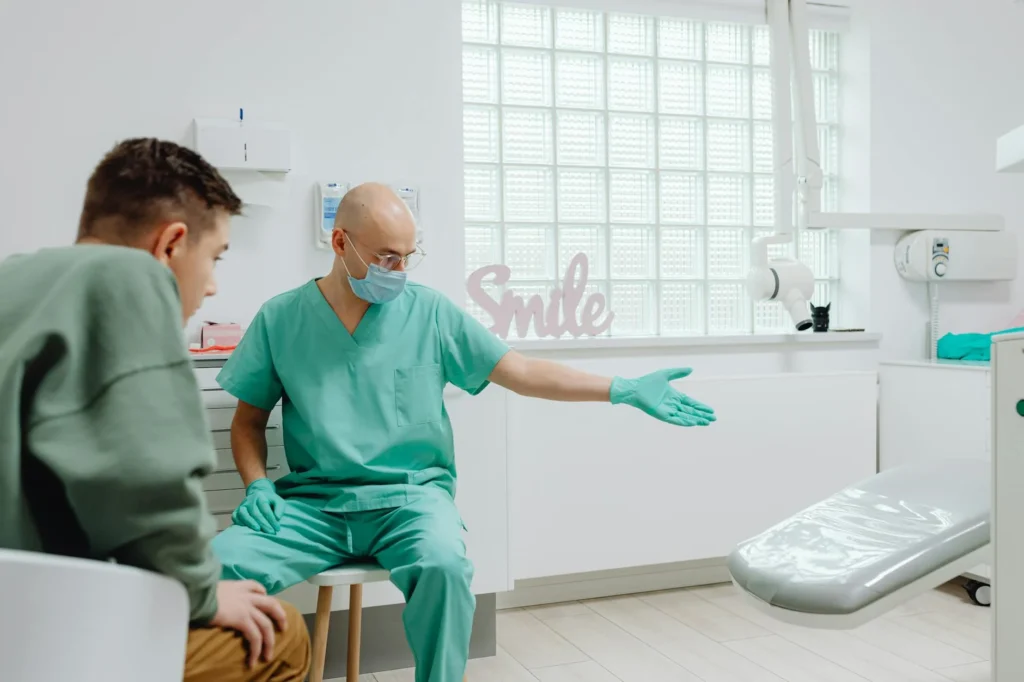
Images sourced from Pexels.