Hearing Aids Today: Finding Your Perfect Sound Solution
Hearing Aids Today: Finding Your Perfect Sound Solution
Experiencing hearing challenges can feel isolating, but it doesn’t have to be a permanent state. The current landscape of hearing aid technology offers a remarkable range of solutions designed to reconnect you with the sounds of daily life. From discreet in-ear devices to powerful behind-the-ear models, there’s a perfect sound solution waiting to be discovered.
Navigating the options, features, and especially the costs associated with hearing aids can seem daunting. This guide aims to demystify the process, helping you understand not just the price tags, but the true value and ongoing support that comes with investing in your hearing health. Making an informed decision means considering your lifestyle, the degree of your hearing loss, and what long-term care you’ll receive.
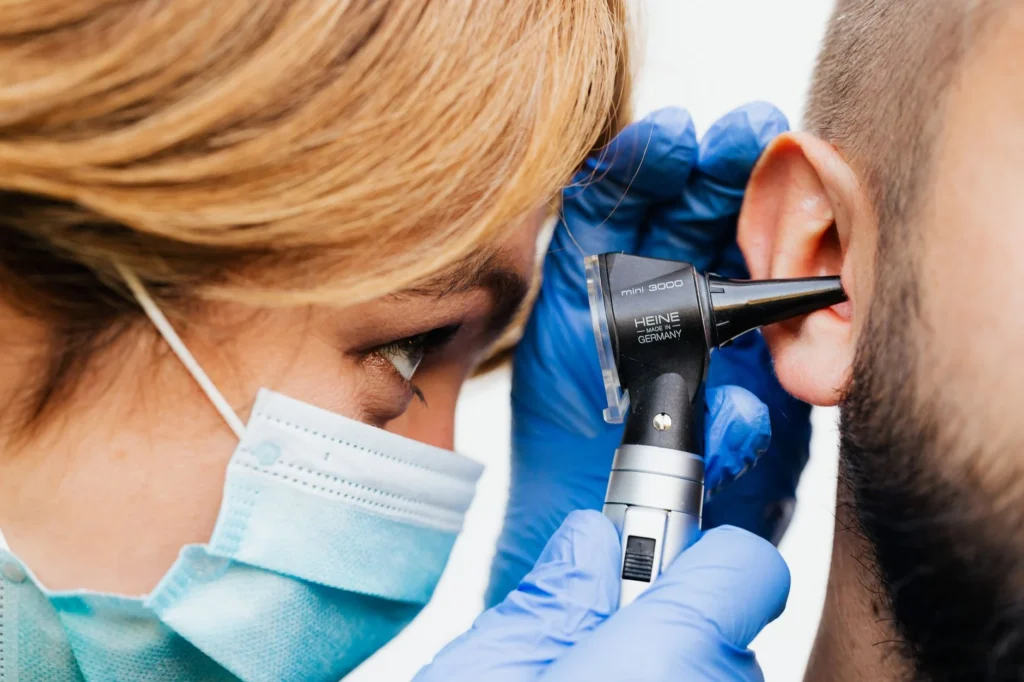
Price Table: Understanding Hearing Aid Costs
Please note: These are estimated ranges. Actual costs vary significantly based on your location, provider, specific technology level, and included services. Always get a personalized quote.
| Item/Service | Estimated Range (USD) | Notes | |
|---|---|---|---|
| 👂 | Initial Audiological Consultation & Exam | $100 – $350 | Often credited towards purchase, sometimes covered by insurance. |
| 🎧 | Entry-Level Digital Hearing Aid (Pair) | $1,500 – $3,000 | Basic features, suitable for quiet environments, direct sound amplification. |
| 🔊 | Mid-Range Digital Hearing Aid (Pair) | $3,000 – $5,500 | Enhanced features like noise reduction, directional microphones, Bluetooth connectivity. |
| ✨ | Premium Digital Hearing Aid (Pair) | $5,500 – $8,000+ | Advanced processing, AI features, excellent performance in complex soundscapes, often smallest sizes. |
| 👂 | Custom Earmolds (if required) | $100 – $300 | For BTE models or specific in-the-ear comfort. |
| 🛠️ | Fitting, Programming & Adjustments | $300 – $800 | Crucial for optimal performance; often bundled with hearing aid purchase. |
| 🤝 | Follow-up Appointments (first year) | $0 – $500 | Essential for fine-tuning and adaptation, often included in package price. |
| 🔋 | Batteries (yearly) / Charger (one-time) | $50 – $150 / $100 – $250 | Rechargeable options eliminate battery costs but require charger purchase. |
| 🧼 | Cleaning & Maintenance Kit | $20 – $50 | Essential for longevity and hygiene. |
| 🛡️ | Extended Warranty (optional) | $200 – $500 | Beyond the manufacturer’s standard warranty (typically 1-3 years). |
| TOTAL (Typical Full Package) | $2,500 – $8,500+ | Includes device pair, fitting, and initial support. Premium features push costs higher. |
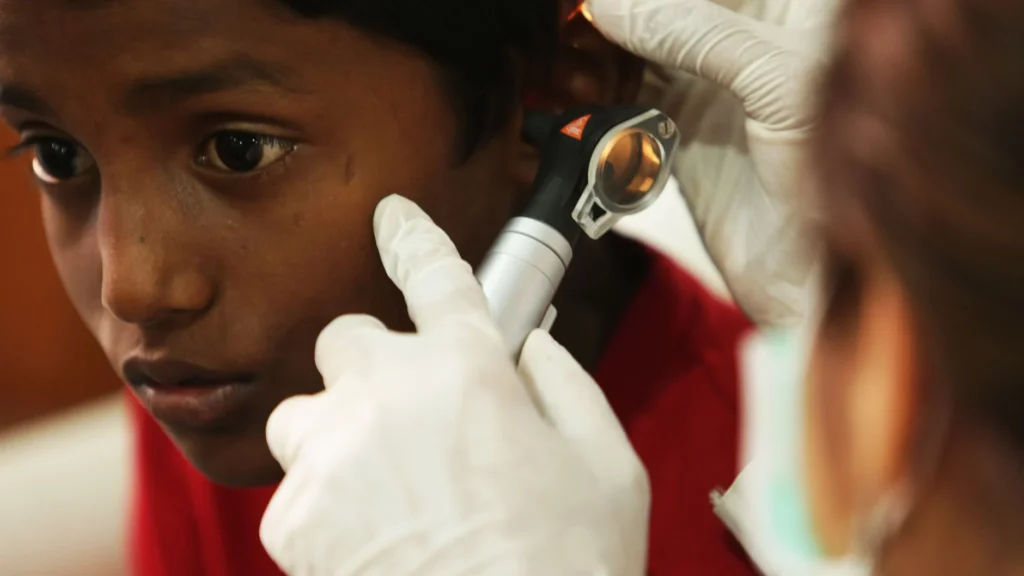
Beyond the Sticker Price: Factors Influencing Cost
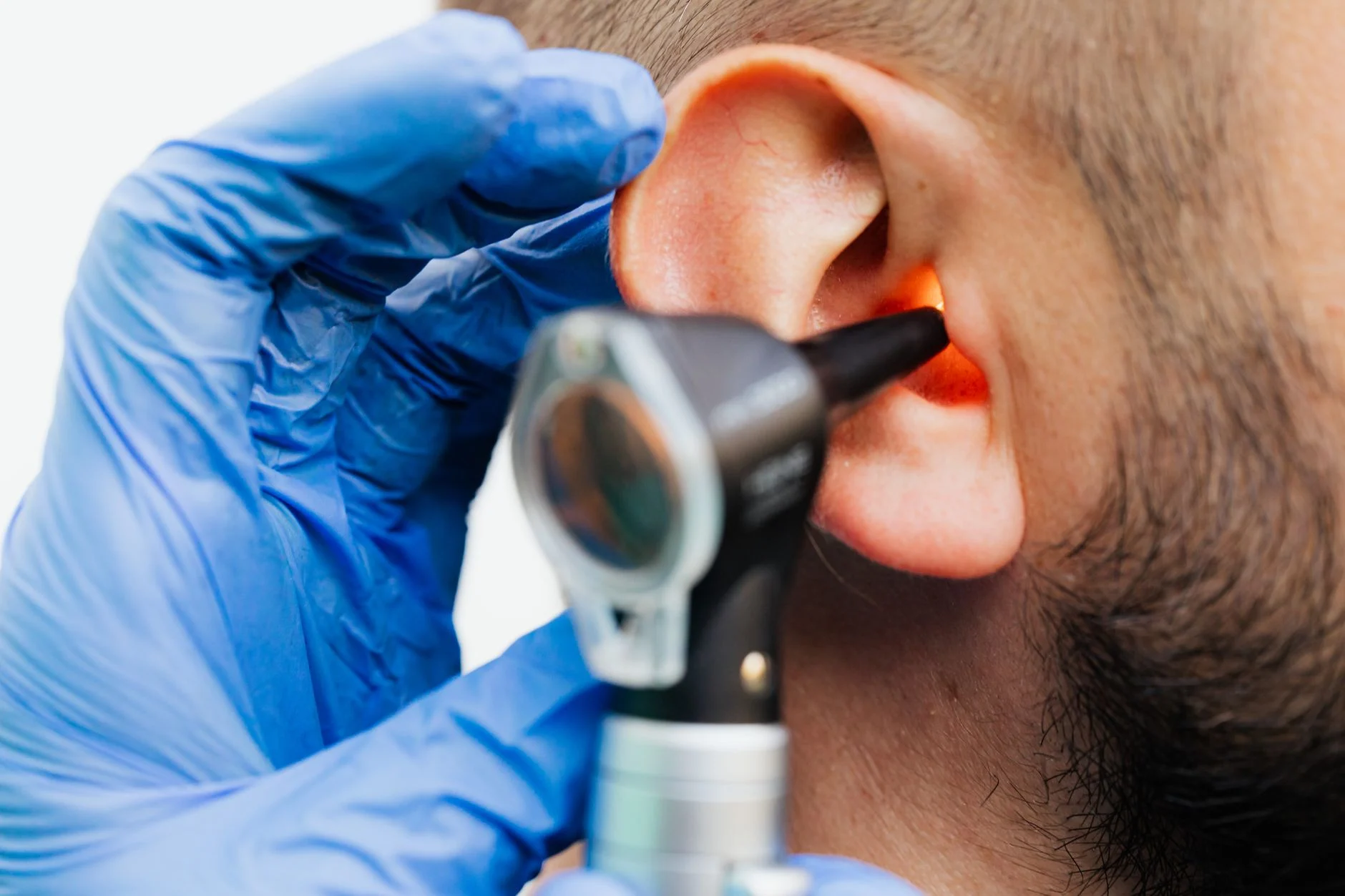
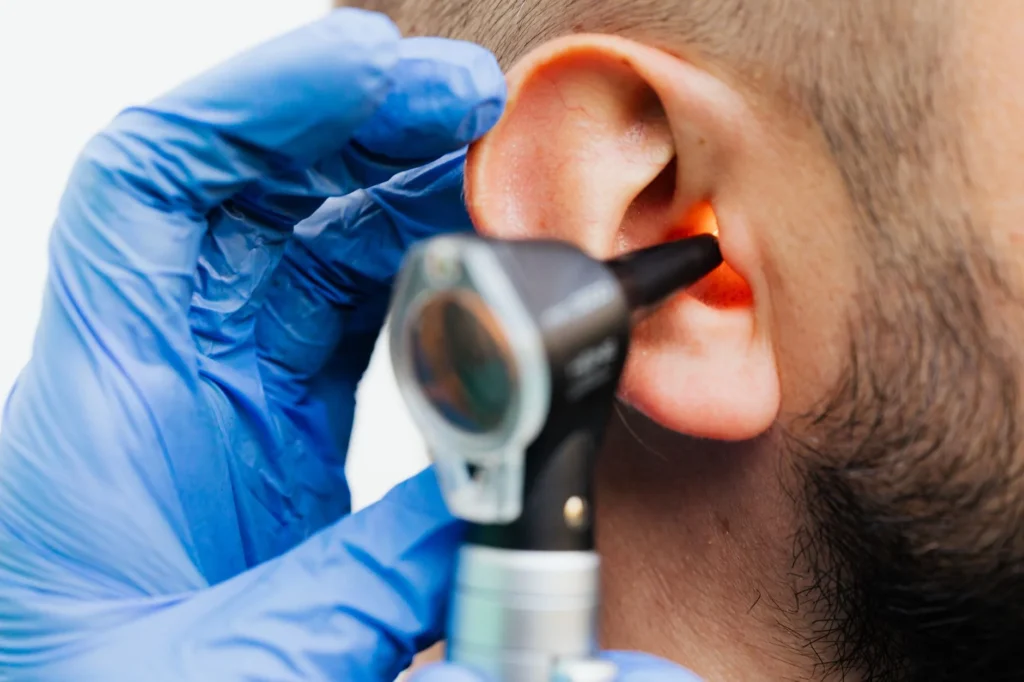
The price of hearing aids isn’t just about the device itself. A significant portion covers the professional services of an audiologist, including the initial diagnostic testing, custom fitting, programming tailored to your unique hearing profile, and ongoing adjustments. These services are critical for the successful adoption and effectiveness of your hearing aids. Cutting corners here often leads to frustration and unused devices.
Furthermore, technology level plays a massive role. More advanced features like superior noise cancellation, speech enhancement in crowded environments, direct streaming to smartphones, and custom app controls come with a higher price point. Consider your daily listening environments and prioritize features that will genuinely improve your quality of life.
Choosing the Right Device for You
There are several styles of hearing aids, from completely-in-canal (CIC) and in-the-canal (ITC) for maximum discretion, to in-the-ear (ITE) and behind-the-ear (BTE) models which offer more power and features. Your audiologist will recommend a style based on your hearing loss severity, ear anatomy, lifestyle, and dexterity. Don’t be swayed by aesthetics alone; functionality and comfort are paramount for long-term satisfaction.
A practical remark: A common mistake people make is purchasing hearing aids solely based on the lowest price, often from online vendors without professional fitting and support. While initial savings might seem appealing, poorly fitted or programmed hearing aids can be ineffective, uncomfortable, and ultimately end up unused, making them an expensive paperweight. Invest in the full package – device *and* professional care.
Frequently Asked Questions
- Can I get hearing aids over the counter (OTC)?
- Yes, recent regulations have allowed for certain OTC hearing aids for perceived mild to moderate hearing loss. While often more affordable, they may lack the personalized fitting and professional support of prescription devices. It’s wise to have your hearing tested by an audiologist first, even if considering OTC.
- Does insurance cover hearing aids?
- Coverage varies widely. Many private insurance plans offer some benefit, either for the device itself or for the audiological services. Medicare generally does not cover hearing aids, though some Medicare Advantage plans might. Always check directly with your insurance provider.
- How long do hearing aids typically last?
- With proper care and maintenance, most digital hearing aids last between 3 to 7 years. Advances in technology often mean people consider upgrades sooner to benefit from the latest features and improved performance.

Images sourced from Pexels.