Hear Clearly: Updated Guide to Hearing Aids Today’s Rates
When your hearing starts to fade, exploring hearing aids becomes a vital step towards better quality of life. But for many, the immediate question is always about the cost. Understanding the current financial landscape for these devices and associated services can feel overwhelming, especially with varying technologies and providers.
It’s true that hearing aids represent a significant investment in your well-being. However, focusing solely on the sticker price might lead you to miss out on the long-term benefits and essential aftercare. Let’s break down what you can expect to pay for the latest hearing solutions and what factors truly influence those numbers.
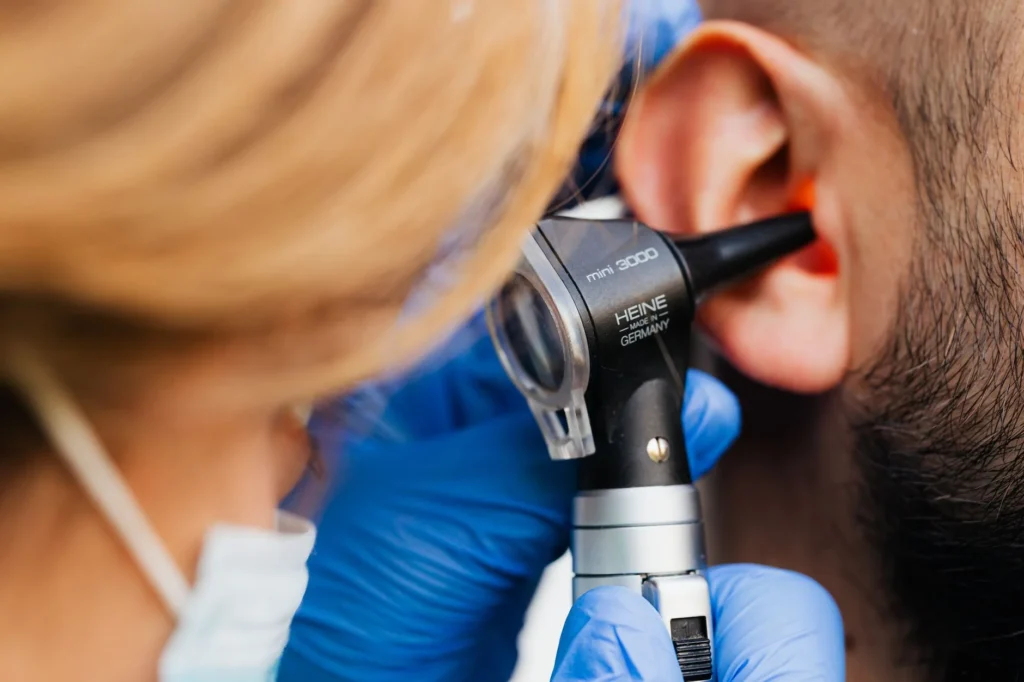
Current Hearing Aid Price Table
| Item/Service | Estimated Range (USD) | Notes | |
|---|---|---|---|
| 👂 | Basic Digital Hearing Aid (Per Ear) | $1,000 – $3,000 | Essential features, less customization. Often less robust in noisy environments. |
| 🎧 | Mid-Range Digital Hearing Aid (Per Ear) | $3,000 – $5,000 | Improved features like directionality, noise reduction. Good for varied listening situations. |
| 🦻 | Premium Digital Hearing Aid (Per Ear) | $5,000 – $7,000+ | Advanced features: AI-powered sound processing, connectivity, rechargeable. Excellent in challenging environments. |
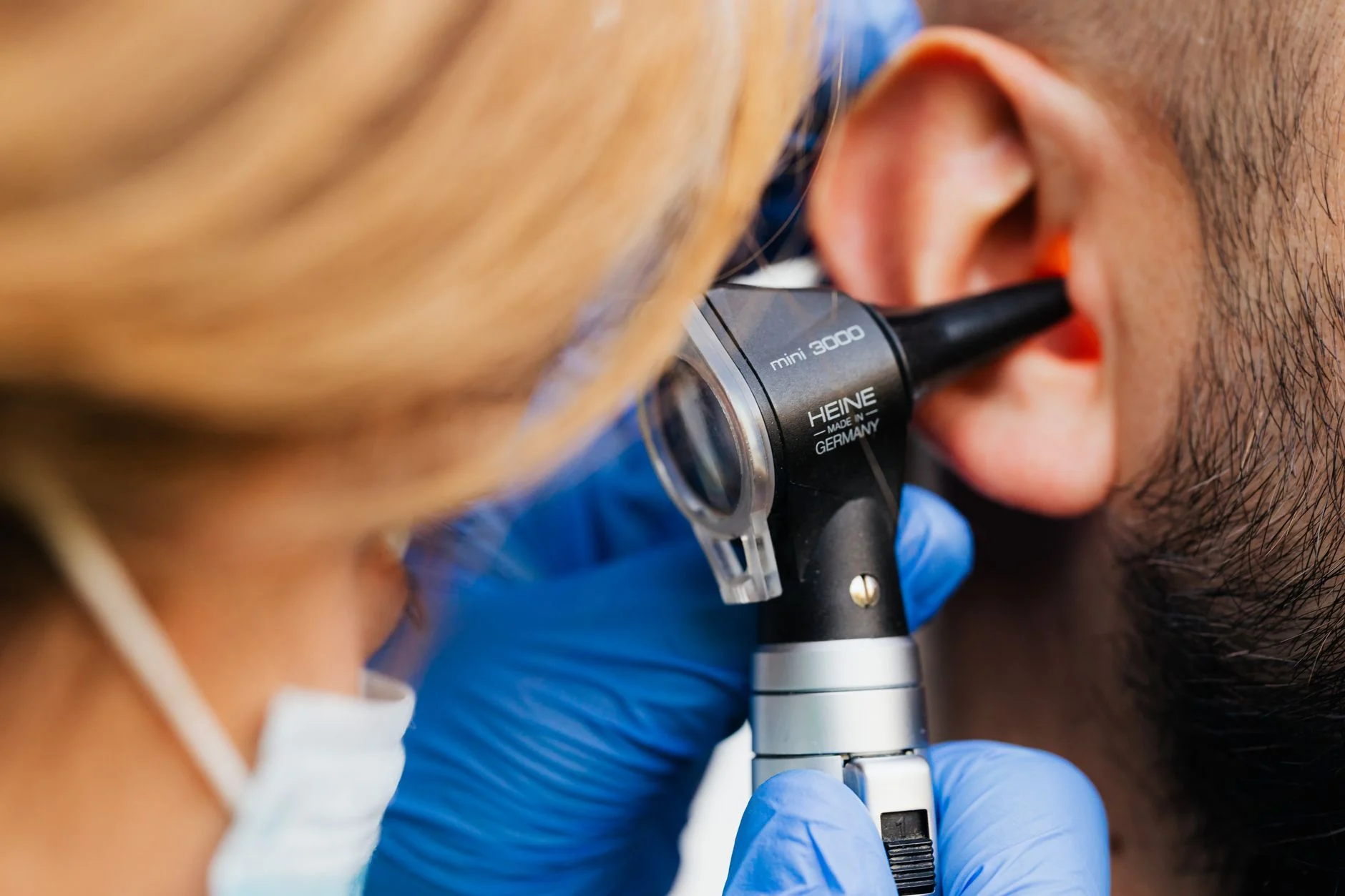
| 🔎 | Initial Audiology Consultation/Exam | $100 – $300 | May be waived or included if you purchase devices from the same provider. |
| 🔧 | Fitting & Programming Fees | $200 – $800 | Crucial for device performance. Often bundled with the hearing aid purchase. |
| 🔋 | Batteries (Per Year) | $50 – $150 | Disposable batteries, varies by usage. Rechargeable options eliminate this ongoing cost. |
| 🧼 | Routine Maintenance/Cleaning | $50 – $150 | Per visit, or included in an aftercare package. Essential for longevity. |
| 🛡️ | Warranty & Loss/Damage Insurance | $150 – $500 | Typically 1-3 years; crucial for peace of mind. Some devices include this. |
| 🔄 | Follow-up Adjustments | $50 – $150 | Per visit, often included for a period post-purchase. Don’t skip these; they optimize your experience. |
| 💰 | TOTAL (Average Per Ear, with services) | $1,500 – $8,000+ | Prices vary significantly by region, provider, technology level, and included services. Always get a detailed quote. |
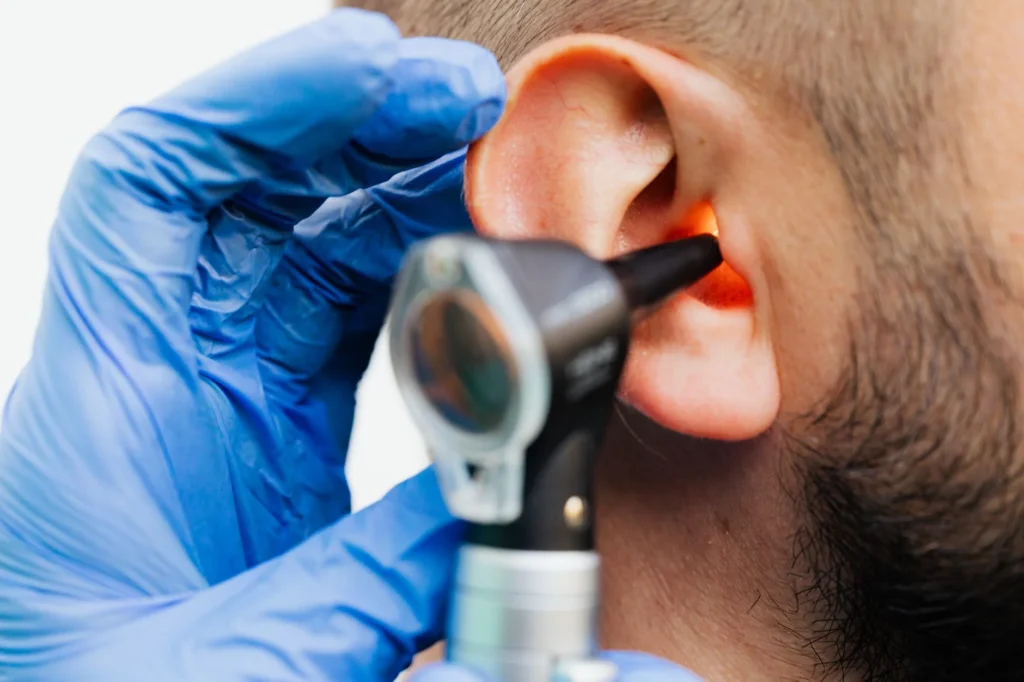
What Influences the Price of Hearing Aids?
Several factors play a significant role in the overall cost. The most impactful is the technology level – basic models offer fundamental sound amplification, while premium devices boast advanced features like Bluetooth connectivity, artificial intelligence for sound processing, and superior noise reduction. The type of hearing aid (e.g., behind-the-ear, in-the-canal, completely-in-canal) also affects pricing due to design complexities. Lastly, the provider makes a difference; independent audiologists often include comprehensive service packages, while big box retailers might have lower upfront costs but separate charges for services.
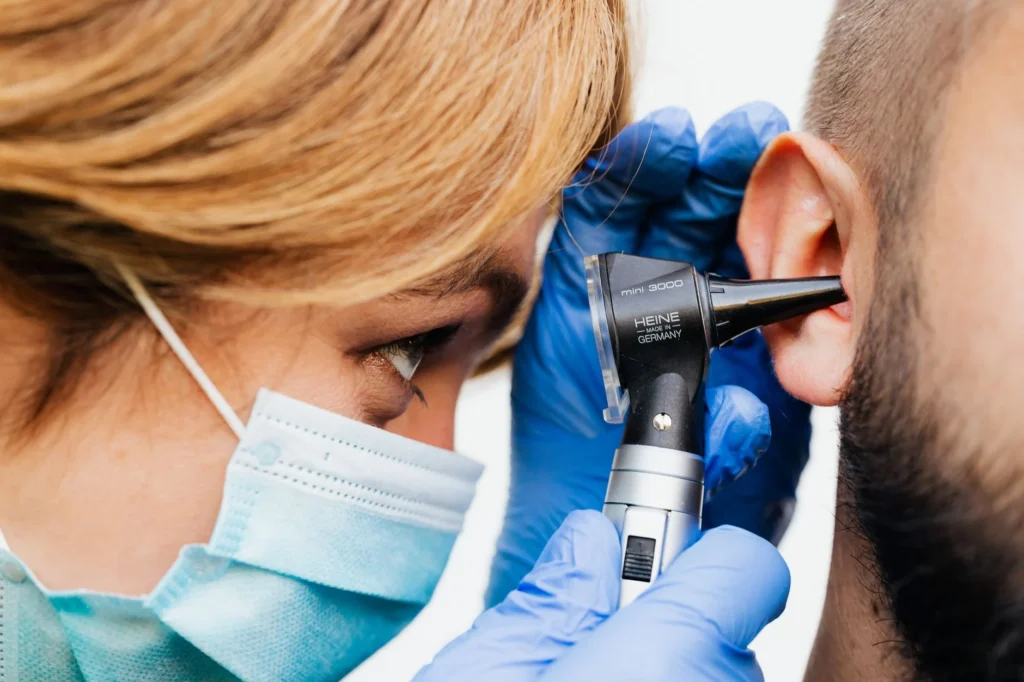
Saving on Hearing Aid Costs
Investing in your hearing doesn’t have to break the bank. First, check your insurance coverage; some plans offer partial benefits or discounts. Don’t overlook financing options available through providers, often with low or no interest for a period. Exploring government programs or non-profit organizations might uncover assistance for eligible individuals. Another smart move is to inquire about slightly older models; while not the absolute latest, they often provide excellent performance at a reduced price. Always compare pricing from a few different local providers.
Beyond the Price Tag: What to Consider
While cost is important, focusing solely on the lowest price can be a mistake. Prioritize what’s included in the total package. Look for providers who offer a trial period (typically 30-60 days) so you can test the devices in your daily life. A comprehensive warranty against defects and a plan for loss or damage is invaluable. Most importantly, consider the aftercare and ongoing support. Regular adjustments, cleaning, and professional guidance are critical for maximizing the effectiveness and longevity of your hearing aids.
Frequently Asked Questions
Do all insurance plans cover hearing aids?
No. Coverage varies widely. Some private insurance plans offer partial benefits, while others provide no coverage at all. Medicare generally doesn’t cover hearing aids or routine hearing exams, though some Medicare Advantage plans may offer benefits. Always contact your insurance provider directly to understand your specific benefits.
Can I buy hearing aids online?
Yes, many direct-to-consumer hearing aids are available online. These can sometimes be more affordable. However, they typically lack the professional fitting, programming, and ongoing support from an audiologist, which is crucial for optimal performance and adapting to your specific hearing loss.
How long do hearing aids typically last?
With proper care and maintenance, hearing aids usually last between 3 to 7 years. Factors like daily use, exposure to moisture, and the quality of the device can influence their lifespan. Regular professional cleaning and timely repairs can significantly extend their life.
Images sourced from Pexels.