Current Costs: Is Car Wrap or Paint Protection Right for You?
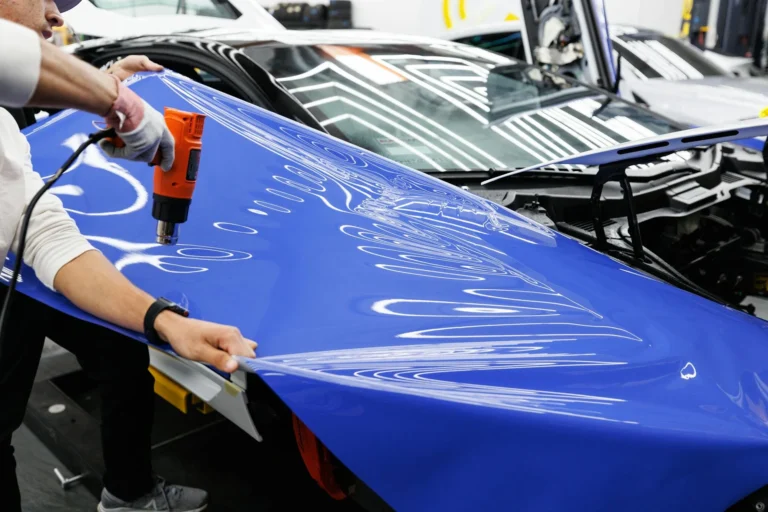
Many car owners face a familiar dilemma: how to protect their vehicle’s finish without breaking the bank. Two popular options stand out: a full car wrap or a paint protection film (PPF). Both offer significant benefits, but their costs and long-term implications differ quite a bit.
Understanding the current financial outlay for each can help you make an informed decision tailored to your budget and needs. It’s not just about the upfront expense; consider what each option truly delivers in terms of durability, appearance, and resale value.
Price Table
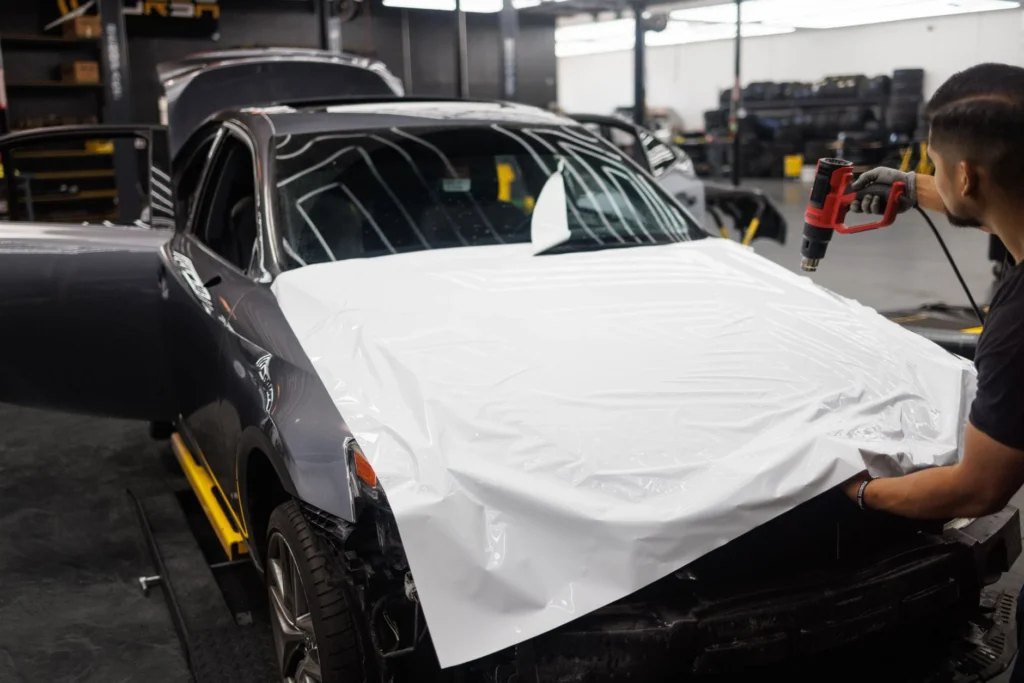
The following estimates provide a general idea of current costs. Keep in mind that prices can vary significantly based on your region, the provider’s expertise, the quality of materials used, and the complexity of your vehicle’s design.
| Item/Service | Estimated Range (USD) | Notes | |
|---|---|---|---|
| 🎨 | Full Car Wrap (Standard Vinyl) | $2,500 – $5,000 | Color change, customization. Durability 3-7 years. |
| ✨ | Full Car Wrap (Premium/Specialty Vinyl) | $5,000 – $8,000+ | Matte, chrome, textured, or high-performance options. |
| 🛡️ | Full Paint Protection Film (PPF) | $4,000 – $10,000+ | Clear, self-healing protection. Durability 5-10+ years. |
| 🚗 | Partial PPF (Front Bumper, Hood, Fenders) | $1,500 – $3,500 | Covers high-impact areas for stone chips. |
| 🧼 | Wrap/PPF Removal Service | $500 – $1,500 | Labor intensive, can vary with age and material. |
| TOTAL | (Varies greatly) | Depends entirely on chosen service and vehicle. |
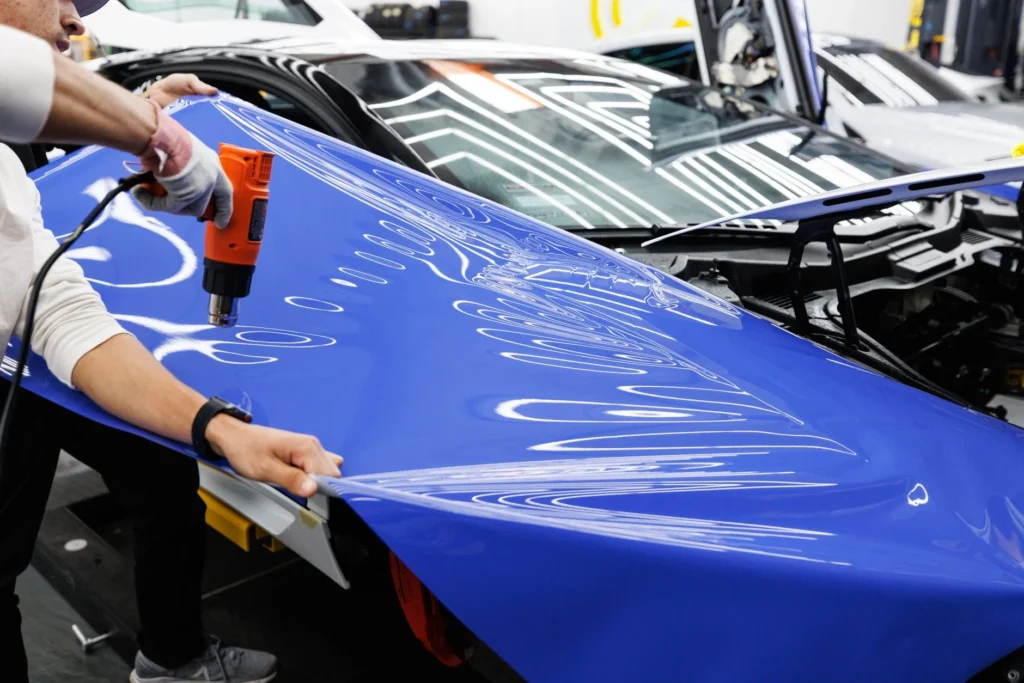
What’s Your Priority? Aesthetics or Protection?
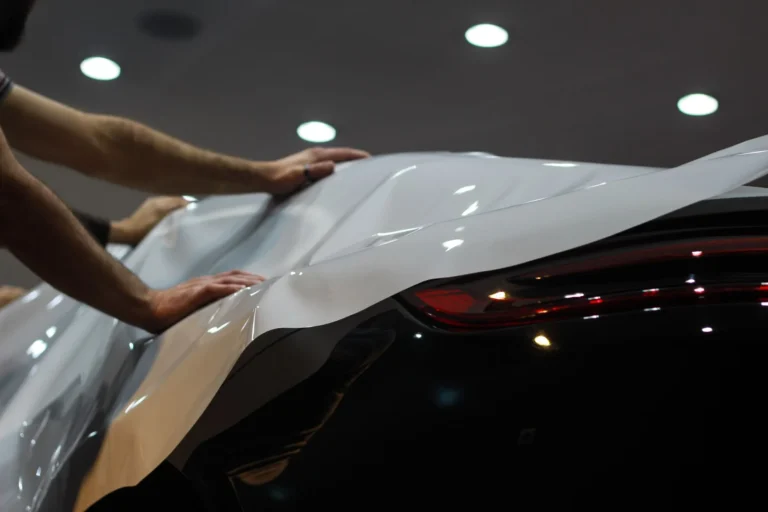
This is the core question. A car wrap is fantastic for changing your vehicle’s look completely without a permanent paint job. Want a vibrant matte finish or a unique design? A wrap delivers. However, its primary role isn’t robust impact protection. While it offers some scratch resistance, it won’t shield against significant stone chips or deep abrasions like PPF does.
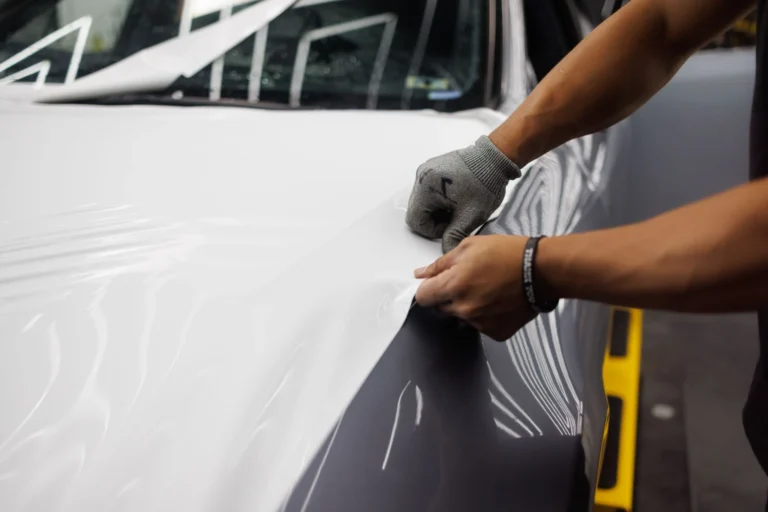
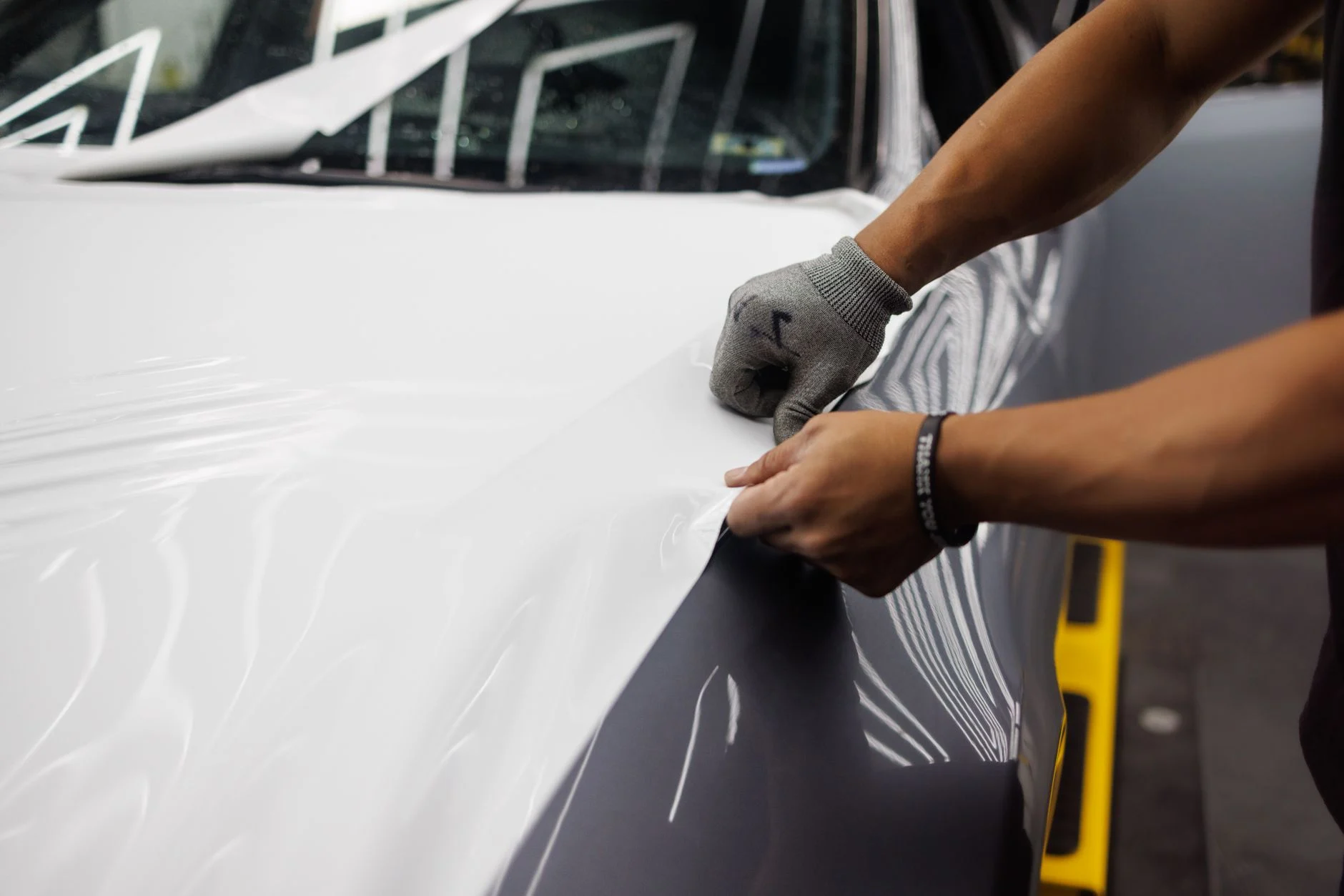
PPF, on the other hand, is almost invisible. Its main purpose is to preserve your original paint, acting as a durable, self-healing barrier against road debris, minor scratches, and environmental contaminants. It won’t change your car’s color, but it will keep that factory finish looking new for years. A common mistake people make is expecting a wrap to offer the same level of heavy-duty protection as PPF; they serve different primary functions.
Durability and Longevity
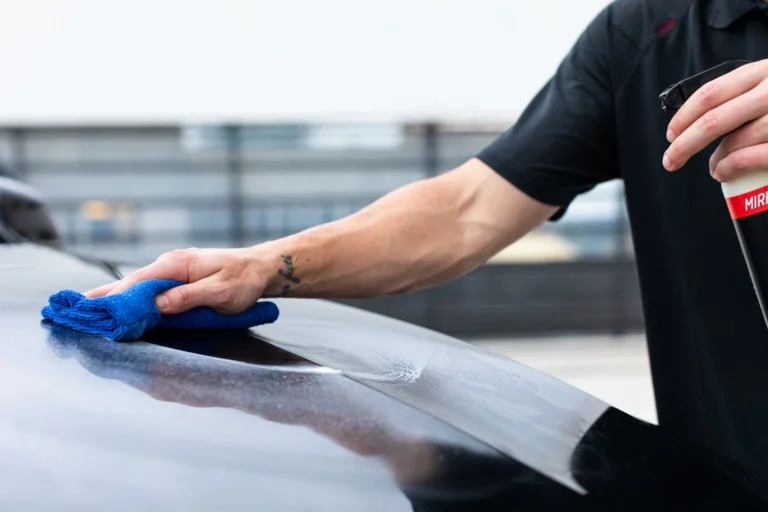
Generally, a high-quality vinyl car wrap can last anywhere from three to seven years, depending on the material, installation quality, and how well it’s maintained. Exposure to harsh weather conditions or frequent washing with abrasive chemicals can shorten its lifespan. When it starts to degrade, it will need to be removed and replaced.
Paint protection films typically boast a longer lifespan, often between five to ten years, sometimes even more with premium brands and professional installation. Their self-healing properties mean minor scratches can disappear with heat, maintaining a pristine look for longer. Investing in a reputable installer for either option is critical; poor installation leads to bubbling, peeling, and a shorter effective life.
Quick FAQ
- Can I DIY a car wrap or PPF installation?
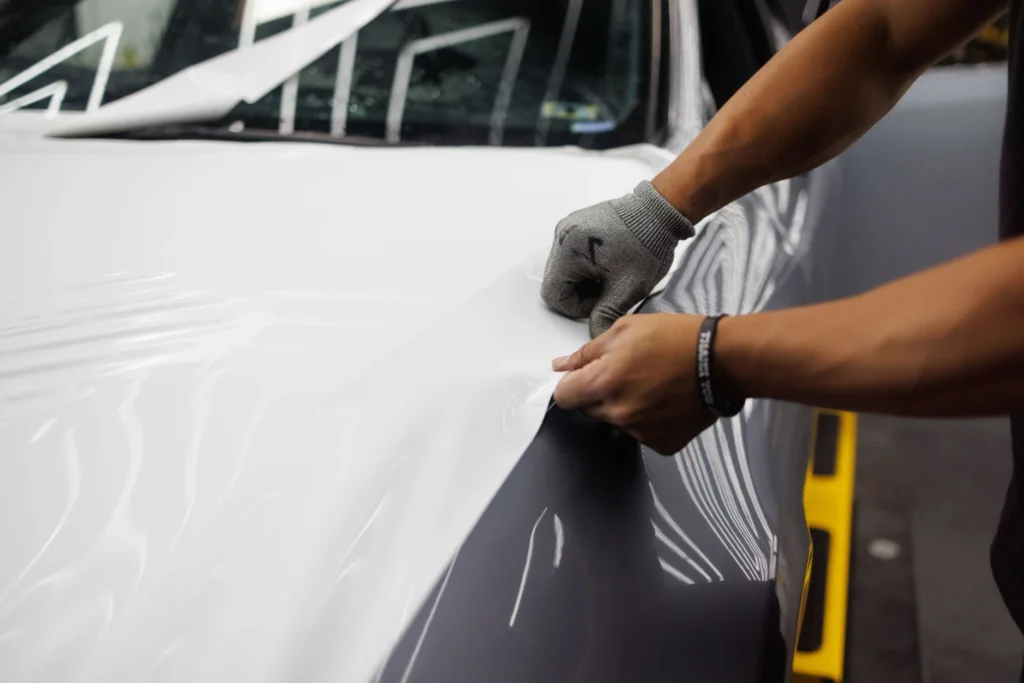
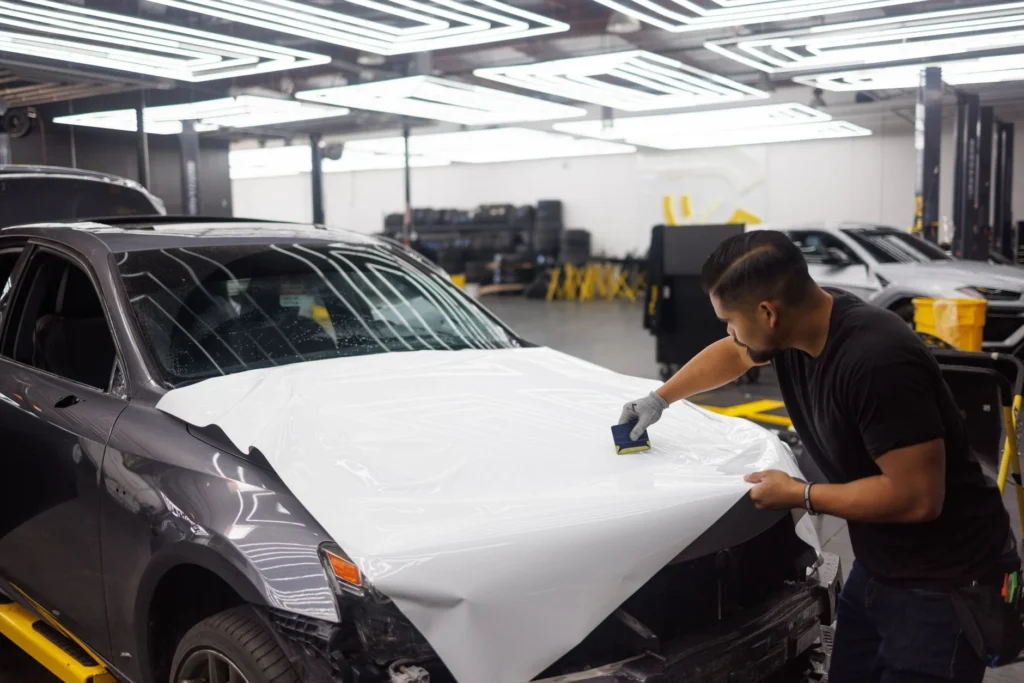
- While DIY kits exist, professional installation is highly recommended for both. These applications require specialized tools, clean environments, and significant expertise to avoid bubbles, creases, and improper adhesion, which can ruin the finish and reduce longevity.
- Does a car wrap or PPF affect my car’s resale value?
- A well-installed PPF generally enhances resale value by preserving the original paint. A quality car wrap, if removed properly, also helps preserve the underlying paint. However, potential buyers might factor in the cost of removing an old, worn wrap.
Images sourced from Pexels.