
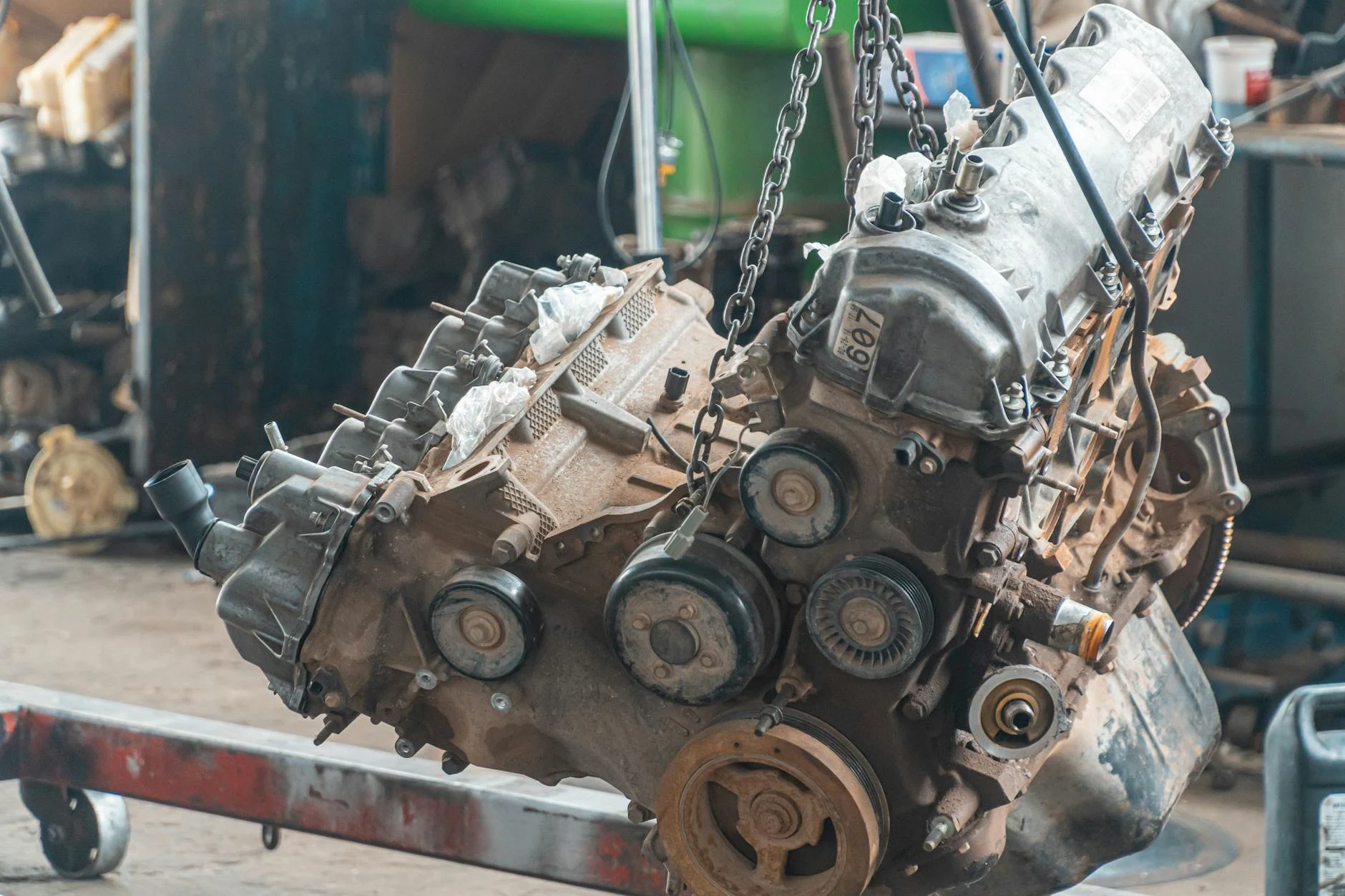
Engine Replacement Cost in 2026: Your Essential Guide
Facing an engine replacement can feel like a punch to the gut for any vehicle owner. It’s often one of the most significant repairs a car might need, making drivers question if it’s even worth keeping the vehicle.
By 2026, understanding the expected financial outlay for such a major service is crucial. Whether you’re planning ahead or dealing with an unexpected breakdown, this guide will walk you through the estimated costs, key factors influencing them, and critical decisions to help you navigate the process confidently.
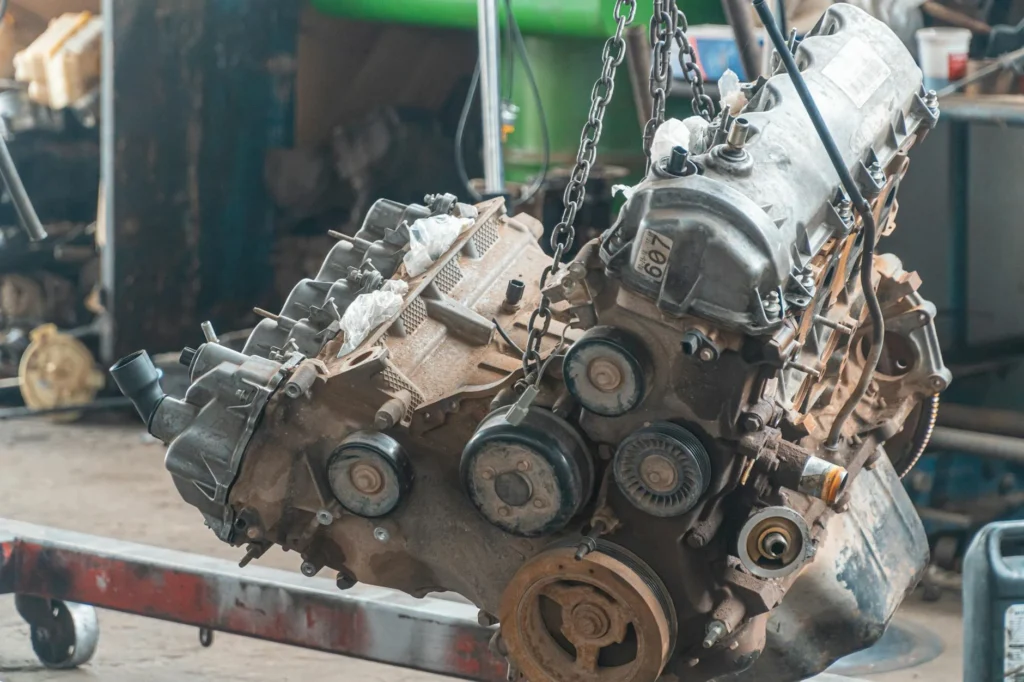
2026 Engine Replacement Price Table
| Item/Service | Estimated Range (USD) | Notes | |
|---|---|---|---|
| ⚙️ | Engine Unit (Remanufactured/New) | $3,500 – $8,500 | Highly dependent on vehicle make, model, and engine type. New engines for specialized vehicles will be at the higher end. |
| 🛠️ | Labor (12-25 hours) | $1,500 – $4,500 | Shop rates vary significantly by region and type of facility (independent vs. dealership). |
| 💧 | Fluids & Filters | $200 – $500 | Includes engine oil, coolant, oil filter, air filter, and other necessary fluids. |
| 🔩 | Ancillary Parts (Gaskets, Hoses, Belts) | $400 – $1,200 | Essential components replaced to ensure reliability with the new engine. |
| diagnostics | Diagnostics & Testing | $150 – $400 | Initial assessment and post-installation checks to ensure proper function. |
| TOTAL (Estimated) | $5,750 – $15,100 | Costs can vary widely based on vehicle specifics, repair shop, location, and the condition of other components. Always get multiple quotes. |

What Drives the Cost of an Engine Replacement in 2026?
Several variables will heavily influence the final bill for an engine swap by 2026. The most obvious is your vehicle’s make and model; luxury or performance vehicles, for instance, typically involve more expensive parts and specialized labor. Engine complexity, such as turbocharged or hybrid systems, also pushes costs upward.
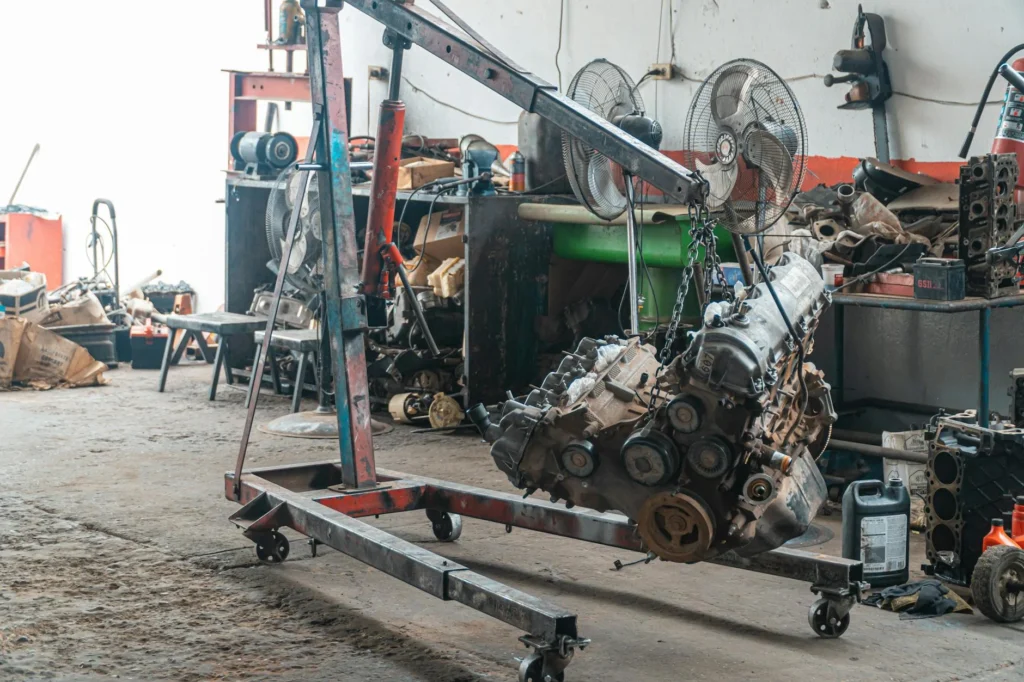
Labor rates are another major factor. Expect dealerships to charge more per hour than most independent garages, though they might offer brand-specific expertise. Your geographical location plays a role too, with urban areas often having higher labor costs than rural ones. Sometimes, when the old engine is removed, additional issues with other components (like the transmission or exhaust) are discovered, adding unexpected expenses. A common mistake people make is not asking for a comprehensive estimate that includes these potential ‘while you’re in there’ repairs upfront.
Remanufactured, Used, or New: Choosing Your Engine
When replacing an engine, you’ll generally have three options by 2026, each with distinct cost and reliability implications:
Remanufactured Engines
These are engines that have been completely disassembled, inspected, cleaned, and rebuilt to original factory specifications. Worn parts are replaced with new ones, making them a very reliable option, often coming with a solid warranty. They strike a good balance between cost and dependability, typically falling in the mid-range of pricing.
Used Engines
Sourced from salvage vehicles, used engines are the cheapest option. However, they carry the highest risk. You’re essentially buying an unknown — its history, mileage, and remaining lifespan are often unclear. While some come with short warranties, these can be limited. Choosing a used engine might save money upfront but could lead to another failure sooner rather than later, which is a common pitfall people face when trying to cut costs.
New Engines
A new engine comes directly from the manufacturer and is the most expensive choice. It offers maximum reliability and a full factory warranty. For very new or high-value vehicles, a new engine might be a sensible investment, ensuring your car retains its value and offers many more years of service.
Is an Engine Replacement Worth the Investment in 2026?
This is the million-dollar question for many owners. The decision to replace an engine versus buying a new or used car hinges on several factors. First, consider the overall condition and remaining value of your vehicle. If the body is rusted, the interior is worn out, and other major components (like the transmission) are failing, a new engine might not be a wise investment.
Compare the estimated replacement cost with the market value of your car post-replacement. Also, weigh it against the down payment and monthly costs of a new vehicle. If your car is otherwise in excellent shape and has sentimental value, or if a replacement engine grants you another 5+ years of reliable transport at a fraction of a new car’s price, it often makes financial sense.
Frequently Asked Questions about 2026 Engine Replacements
- How long does an engine replacement typically take?
- Most engine replacements by 2026 will take a qualified mechanic between 12 to 25 hours of labor, depending on the vehicle’s complexity and shop efficiency. This usually translates to 3-7 business days once the engine unit arrives.
- Will my car last longer after a new engine?
- An engine replacement can significantly extend your vehicle’s lifespan, provided the rest of the car — transmission, chassis, suspension, and electronics — are in good condition. Essentially, you’re resetting the odometer on your primary powertrain component.
- Should I get a warranty on a replacement engine?
- Absolutely. A warranty is crucial. Remanufactured and new engines typically come with a warranty (e.g., 3 years/100,000 miles). Even used engines often have a limited warranty. Always confirm the warranty terms, what it covers, and its duration before committing to a repair.
Images sourced from Pexels.