
Engine Replacement: What Are Today’s Current Rates?
Facing an engine replacement can feel like a significant financial hit, and it’s a decision most car owners hope to avoid. However, sometimes it’s the most economical choice to keep a beloved or otherwise reliable vehicle on the road. Understanding the current rates helps you budget and make an informed decision.
The cost of replacing an engine isn’t uniform. It’s influenced by everything from your vehicle’s make and model to whether you opt for a new, remanufactured, or used engine. Labor rates also vary significantly by region and shop. Let’s break down what you can expect when budgeting for this major repair.

Price Table
| Item/Service | Estimated Range (USD) | Notes | |
|---|---|---|---|
| ⚙️ | Engine Assembly | $2,500 – $12,000+ | Varies greatly by new, remanufactured, or used; vehicle make/model. |
| 🔧 | Labor | $3,500 – $8,500 | Typically 30-60 hours at $100-$150+/hour, depending on shop and location. |
| 💧 | Fluids, Gaskets, Filters | $400 – $900 | Engine oil, coolant, A/C refrigerant, oil filter, air filter, various seals. |
| ⚙️ | Miscellaneous Parts | $300 – $1,000 | New spark plugs, belts, hoses, sensors, potentially new motor mounts. |
| TOTAL | $6,700 – $22,400+ | This is a broad estimate. Costs can be lower for older, simpler cars or much higher for luxury/performance vehicles. Always get multiple quotes. |
Factors Influencing the Cost
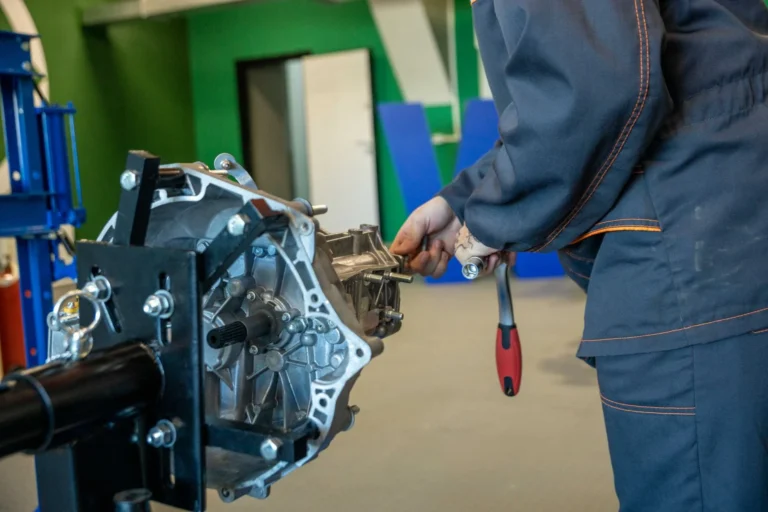
Several elements play a crucial role in the final bill. The biggest differentiator is the engine itself: a brand-new “crate” engine from the manufacturer will always be the most expensive, offering peak reliability and a full warranty. Remanufactured engines, which are rebuilt to factory specifications, strike a balance between cost and dependability. Used engines are the cheapest option, but come with the most risk, as their history and remaining lifespan are often unknown. One common mistake people make is only looking at the engine price and forgetting about the significant labor costs involved.
Your vehicle’s make and model also heavily impact the price. A compact sedan will generally be less expensive than a large SUV or a luxury vehicle, both in terms of parts and labor complexity. Regional labor rates, shop reputation, and included warranties can also cause quotes to vary widely.
Is Engine Replacement Right for You?
Deciding whether to replace an engine often comes down to a simple question: is it worth it? Compare the total repair cost against the current market value of your vehicle. If the repair exceeds a significant percentage (e.g., 50-70%) of your car’s value, it might be time to consider a new-to-you vehicle. However, if your car is otherwise in excellent condition – no rust, good transmission, reliable brakes – an engine replacement can give it years of extended life, often at a fraction of the cost of a new car payment.
FAQ
How long does an engine replacement take?
Typically, an engine replacement can take anywhere from 3 days to 2 weeks, depending on the shop’s schedule, parts availability, and the complexity of your vehicle’s engine. Always confirm the timeline with your chosen mechanic.
Does car insurance cover engine replacement?
In most cases, standard car insurance policies do not cover engine replacement due to mechanical failure or wear and tear. Coverage might apply if the damage was caused by a covered event like a collision, flood, or fire, but you’ll need to check your specific policy details.
What’s the difference between a remanufactured and a used engine?
A remanufactured engine has been completely disassembled, inspected, and rebuilt to original factory specifications, often with new or reconditioned parts. It typically comes with a warranty. A used engine is simply an engine pulled from another vehicle, usually a salvage car, and sold “as is.” While cheaper, it carries higher risk and usually offers no warranty.
Images sourced from Pexels.