
Unlock Better Hearing: The Best Hearing Aids of 2026 Revealed
By 2026, hearing aid technology has advanced remarkably, offering more discreet, powerful, and personalized solutions than ever before. For millions, regaining clarity in conversation and enjoying the nuances of sound has become more accessible. But with innovation comes a range of options, and understanding the full financial landscape is key to making an informed choice.
Navigating the world of hearing aids can feel complex. It’s not just about the device itself; professional services, ongoing care, and specialized accessories all contribute to the true cost of better hearing. Our goal is to demystify these expenses, providing a clear picture of what to expect in 2026 so you can budget wisely and invest confidently in your auditory future.

Price Table: Estimated Hearing Aid Costs (2026)
| Item/Service | Estimated Range (USD) | Notes | |
|---|---|---|---|
| 👂 | Diagnostic Hearing Evaluation | $150 – $400 | Professional assessment of hearing loss severity and type. |
| 🎧 | Hearing Aid Device (per unit) | $1,000 – $6,000+ | Price varies greatly by technology level (basic to premium), brand, and style (ITE, BTE, RIC). Most clinics sell aids in pairs. |
| 🔬 | Professional Fitting & Programming | $300 – $800 | Includes initial programming, adjustments, and counseling for optimal performance. Often bundled with device cost. |
| 🔧 | Follow-up Adjustments/Maintenance (per session) | $50 – $200 | Essential for fine-tuning and ensuring long-term comfort and effectiveness. Some packages include initial follow-ups. |
| 🔋 | Batteries (disposable, per pack) or Charger | $10 – $50 (batteries); $150 – $300 (charger) | Most modern aids are rechargeable, but disposable batteries are still an option for some models. Charger usually one-time cost. |
| 🛡️ | Warranty/Loss & Damage Protection | $100 – $500 | Typically 1-3 years. Covers manufacturing defects and sometimes one-time loss or severe damage replacement. |
| 🧼 | Cleaning Supplies/Maintenance Kit | $20 – $70 | Brushes, wax guards, drying capsules, and specialized cleaning tools. |
| 🩺 | TOTAL (per ear, basic to premium) | $1,630 – $8,200+ | These ranges are estimates for 2026 and can vary significantly based on your region, provider, specific technology level, and included services. Many clinics offer package deals. |
Choosing the Right Technology for You
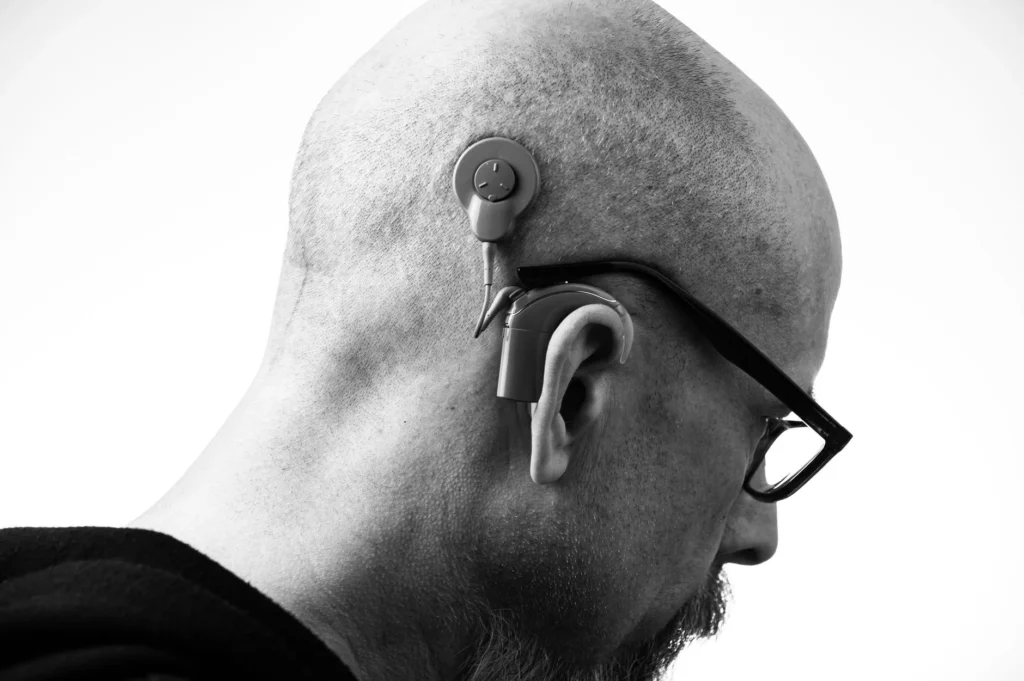
By 2026, hearing aids come in a spectrum of sophisticated designs, from nearly invisible in-the-ear (ITE) models to powerful behind-the-ear (BTE) devices. Your choice isn’t just about aesthetics; it’s crucial to match the technology to your specific hearing loss, lifestyle, and communication needs. Don’t make the mistake of choosing a device based solely on price or size. A premium invisible model might be overkill for mild, situational hearing loss, while a basic model won’t suffice for severe impairment. Always prioritize a device recommended by your audiologist that truly fits your unique auditory profile and daily activities.
Beyond the Device: Understanding the Full Investment
A common pitfall many people encounter is focusing exclusively on the “sticker price” of the hearing aid itself. The true investment in better hearing extends far beyond the initial purchase. Consider the crucial professional services: the diagnostic evaluation, precise fitting, and ongoing adjustments. These services are vital for ensuring your hearing aids work effectively and comfortably. Skimping on these can lead to poor performance and dissatisfaction, ultimately wasting your initial investment. Think of it as buying a high-performance vehicle – you wouldn’t neglect professional tuning and regular maintenance, would you?
In 2026, insurance coverage for hearing aids remains a mixed bag. Some private health insurance plans offer partial benefits, while others might cover only diagnostic services. It’s imperative to check your specific policy details. Don’t overlook potential financing plans offered by hearing clinics or third-party medical lenders, which can make the investment more manageable through monthly payments. Veteran benefits and certain state programs may also provide assistance, so explore all avenues before making a final decision.
Frequently Asked Questions
How long do hearing aids typically last?
With proper care and maintenance, most hearing aids are designed to last between 3 to 7 years. Advances in durability and component quality mean many users get solid performance for five years or more before considering an upgrade.
Is a professional fitting truly necessary?
Absolutely. While online options for purchasing aids exist, a professional fitting by a qualified audiologist ensures the devices are precisely programmed to your unique hearing loss profile, comfortable to wear, and properly adjusted for optimal sound quality. This significantly impacts your satisfaction and the effectiveness of the aid.
Can I get financing for hearing aids?
Yes, many hearing aid providers offer various financing plans, often through third-party medical credit services, to help make the cost more affordable by spreading payments over time. It’s always worth discussing these options with your chosen clinic.
Are there different types of hearing aids for different levels of hearing loss?
Definitely. Hearing aids are available in various styles and technology levels, each suited for mild, moderate, severe, or profound hearing loss. An audiologist will recommend the most appropriate type based on your diagnostic results and lifestyle requirements.
Images sourced from Pexels.