Current Car Wrap & Paint Protection Costs in 2026: An Updated Look
As we navigate 2026, protecting your vehicle’s finish remains a top priority for many owners. Whether you’re looking to refresh your car’s aesthetics with a vibrant wrap or shield its original paint from daily wear and tear, understanding the financial investment is key.
Market dynamics, material innovations, and labor costs naturally influence these services. We’ve compiled an updated look at what you can expect to pay for car wraps, paint protection film (PPF), and ceramic coatings, along with essential factors that will shape your final invoice.
2026 Car Protection Estimated Price Table
Note: Prices are estimated ranges for the United States in 2026 and can vary significantly based on region, provider’s expertise, material quality, and vehicle size/complexity.
| Item/Service | Estimated Range (USD) | Notes | |
|---|---|---|---|
| 🚗 | Full Vinyl Car Wrap | $3,500 – $7,000 | Complete color change or custom design; depends heavily on material type, vehicle size, and complexity of application. |
| 🔫 | Partial Vinyl Car Wrap | $500 – $2,500 | Covers specific areas like hood, roof, mirrors, or racing stripes. |
| 💦 | Full Paint Protection Film (PPF) | $5,000 – $9,000 | Invisible, self-healing film for comprehensive paint protection against chips, scratches, and swirl marks. |
| 🛠️ | Partial Paint Protection Film (PPF) | $1,200 – $3,500 | Focuses on high-impact areas like front bumper, hood, fenders, and side mirrors. |
| 🪟 | Professional Ceramic Coating | $800 – $2,500 | Durable liquid polymer applied to exterior surfaces to protect paint and enhance gloss; often includes paint correction. |
| 🔧 | Paint Correction (Minor to Moderate) | $400 – $1,200 | Removes swirl marks, light scratches, and oxidation before wrap/PPF/ceramic application. Often a necessary precursor. |
| 📀 | Wrap/PPF Removal Service | $300 – $800 | Cost to safely remove old wrap or PPF without damaging original paint; varies by age and condition of existing film. |
| 💰 | TOTAL (Illustrative Full Project) | $4,000 – $10,500 | Reflects a comprehensive full car protection project, such as a high-quality full wrap or full PPF, often including necessary paint preparation. |
What Influences the Price?
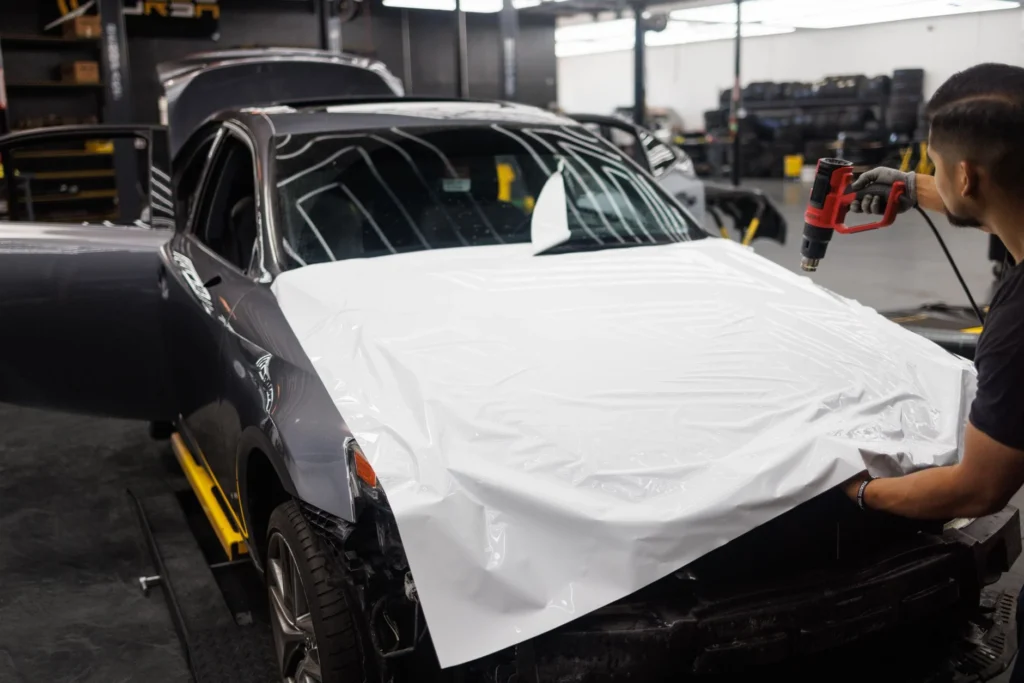
Several factors play a significant role in determining the final cost. The quality of materials used is paramount; premium vinyls or self-healing PPF films will naturally command higher prices. Vehicle size and complexity also matter; a compact coupe is far less labor-intensive to wrap than a large SUV with intricate body lines.
Furthermore, the installer’s expertise and reputation in your region can dramatically affect pricing. More experienced shops with a strong portfolio often charge more for their precision and reliability. One common mistake people make is going for the cheapest option without thoroughly vetting the installer’s reputation – a poorly executed wrap or PPF can end up costing more in the long run due due to rework or even paint damage.
Wrap vs. PPF vs. Ceramic Coating: Choosing Your Protection
Deciding between these options depends on your goals and budget. A car wrap offers cosmetic transformation – a new color, matte finish, or custom design – while also providing a layer of protection to the original paint. It’s fantastic for personalization.
Paint Protection Film (PPF) is primarily about defense. This transparent, robust film is engineered to absorb impacts from road debris, prevent scratches, and resist harsh chemicals. It’s the ultimate physical barrier. Meanwhile, a ceramic coating offers superior gloss, hydrophobic properties, and chemical resistance, making your car easier to clean and providing a thin, durable shield. It’s not a physical barrier like PPF but an excellent sacrificial layer for daily drivers.
Remember, for a car you plan to sell in a year or two, investing in the highest-tier PPF might be overkill. Align your protection choice with your ownership timeline and aesthetic goals.
Practical Tips for Saving Money (Without Sacrificing Quality)
- Get Multiple Quotes: Don’t settle for the first estimate. Contact 2-3 reputable shops in your area to compare pricing and discuss options.
- Clear Expectations: Be precise about what you want. Unforeseen requests can drive up costs.
- Consider Partial Options: If a full wrap or PPF is out of budget, consider protecting only the high-impact areas (e.g., front bumper, hood) or wrapping just the roof for a two-tone look.
- DIY Prep (If Able): While professional installation is crucial, some minor detailing or paint correction that you can safely do yourself might reduce the shop’s labor hours. Discuss this with your chosen installer first.
- Proper Maintenance: Extend the life of your wrap, PPF, or coating with proper care, reducing the need for premature replacement.
Frequently Asked Questions
How long do car wraps and PPF typically last?
A quality vinyl car wrap can last 5-7 years, while premium PPF often comes with a 5-10 year warranty, sometimes even longer, depending on the brand and care.
Is DIY an option for car wraps or PPF?
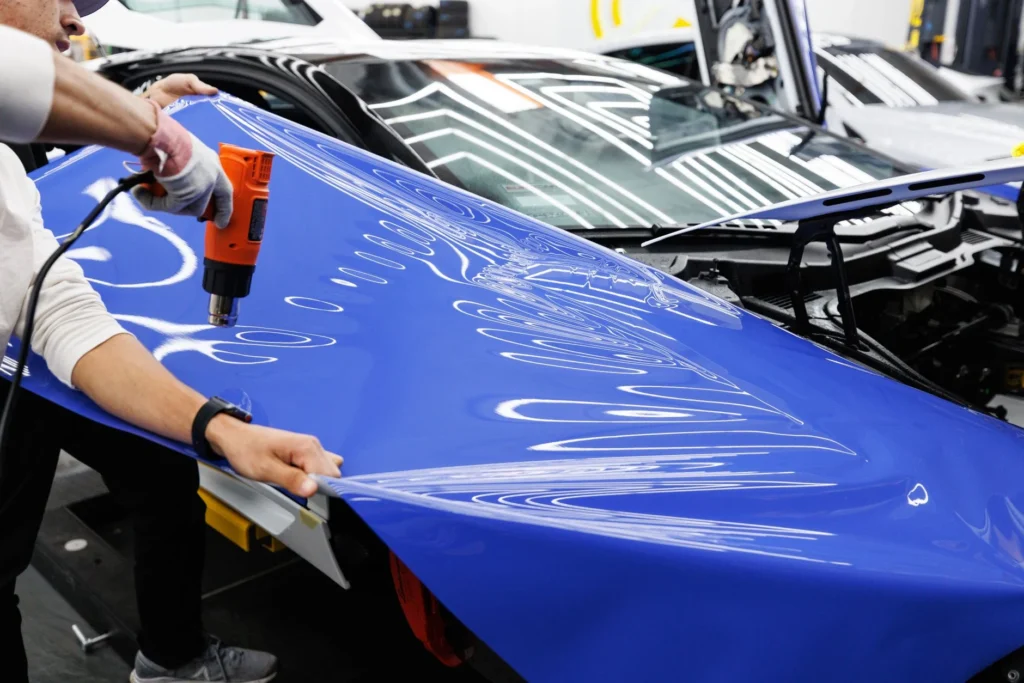
While DIY kits exist, professional installation is strongly recommended for both wraps and PPF. Achieving a seamless, bubble-free, and durable finish requires specialized tools, skills, and a dust-free environment that most DIYers lack. Poor DIY jobs often lead to costly professional corrections or premature failure.
Does applying a wrap or PPF affect my car’s resale value?
Generally, a quality wrap or PPF can help preserve your car’s original paint, potentially maintaining or even enhancing its resale value by keeping the factory finish pristine underneath. A unique, high-quality wrap might appeal to specific buyers, but PPF is almost universally seen as a protective asset.
Images sourced from Pexels.