

Tax Preparation Fees in 2026: What to Budget For
When planning your finances for the 2026 tax season, understanding potential tax preparation costs is a smart move. Whether you opt for a professional or tackle it yourself, knowing the average fee structures can help you budget effectively and avoid surprises.
Hiring a qualified tax professional can save you time, reduce stress, and potentially uncover deductions or credits you might miss. However, the price tag can vary significantly based on the complexity of your financial situation and the expertise required. Let’s break down what you might expect to pay for services related to your 2026 tax filings.

Price Table: Estimated Tax Preparation Fees for 2026 Filings
| Item/Service | Estimated Range (USD) | Notes | |
|---|---|---|---|
| 📝 | Basic W-2 Only Filing | $120 – $250 | Simple returns with standard deductions. |
| 📈 | Itemized Deductions & Investments | $250 – $550 | Includes Schedules A, B, and D (investments like stocks, crypto). |
| 💼 | Small Business / Self-Employment (Schedule C) | $400 – $1,200+ | Complexity varies greatly; depends on income, expenses, and asset depreciation. |
| 🏠 | Rental Properties (Schedule E) | $300 – $700+ | Per property; adds another layer of complexity. |
| 📊 | Multiple State Filings (per state) | $75 – $150 | Often an additional fee for each state beyond the primary. |
| ❓ | Estate/Trust Returns (Form 1041) | $700 – $2,500+ | Significantly more complex, requiring specialized knowledge. |
| 🕰️ | Tax Consultation / Planning (hourly) | $100 – $300/hr | For advice, unique situations, or audit support. |
| TOTAL | Varies Widely | Overall costs are highly dependent on the number of forms, schedules, and the expertise of your preparer. |
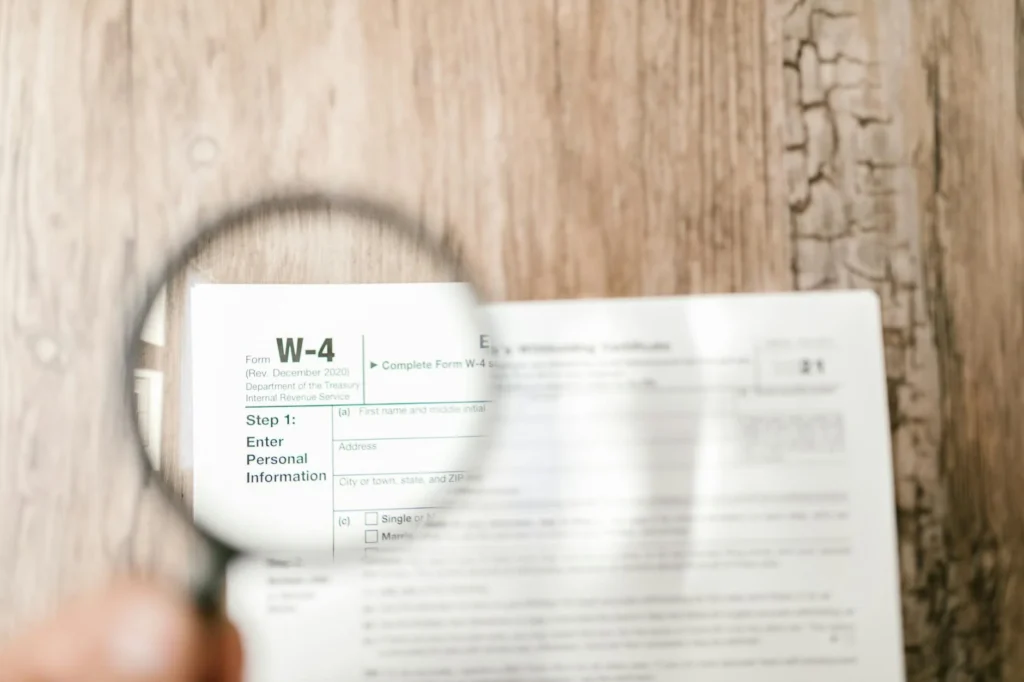
Note: These ranges are estimates for the 2026 tax year. Actual fees can vary significantly based on your geographic location, the complexity of your return, and the specific tax preparation provider (e.g., independent preparer vs. large accounting firm).
Factors Influencing Your Tax Prep Costs
Several elements play a role in determining how much you’ll pay for tax preparation. The biggest factor is the complexity of your return. A simple W-2 with no dependents and a standard deduction will always be less expensive than a return involving multiple businesses, rental properties, foreign income, or complex investment portfolios.
Another consideration is the preparer’s qualifications. A Certified Public Accountant (CPA) or Enrolled Agent (EA) typically charges more than a general tax preparer, but they also bring a deeper level of expertise and are authorized to represent you before the IRS. Location also matters; fees in metropolitan areas tend to be higher than in rural ones.
When to Consider Professional Help
Even if your finances seem straightforward, sometimes a professional is worth the investment. If you’ve had significant life changes in 2026 — like buying a home, getting married, having a child, starting a business, or experiencing a major income shift — professional guidance can ensure you’re maximizing deductions and credits. A common mistake people make is assuming they can handle complex scenarios, only to miss out on significant savings or, worse, make errors that lead to audits. For peace of mind and optimal financial outcomes, especially with intricate tax situations, a professional is often the best choice.

Frequently Asked Questions About 2026 Tax Prep Fees
What’s the difference between a CPA and an EA?
A CPA (Certified Public Accountant) is licensed by the state and can provide a broad range of accounting services, including auditing and financial planning, in addition to tax preparation. An EA (Enrolled Agent) is federally licensed by the IRS and specializes exclusively in taxation, including tax preparation, representation, and advice. Both are highly qualified to prepare your 2026 tax return.
Can I deduct tax preparation fees?
For most individual taxpayers, tax preparation fees are generally not deductible on federal income tax returns for the 2026 tax year, due to changes from prior tax laws. However, if you are self-employed or operate a business, these fees might be deductible as a business expense. Always consult with a tax professional regarding your specific situation.

Images sourced from Pexels.