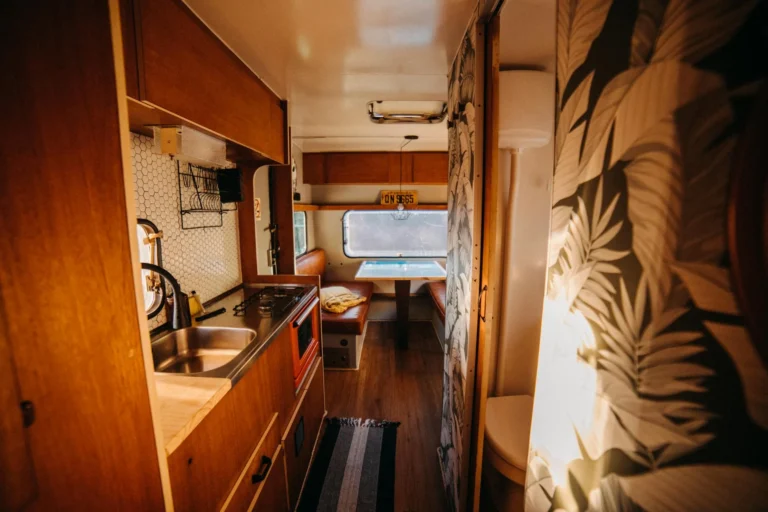

RV & Motorhome Rental 2026: Updated Guides & Today’s Best Deals
Planning a road trip for 2026 and considering an RV or motorhome? You’re in good company. Many travelers find RV rentals offer unparalleled freedom and a unique way to explore. But getting a clear picture of the costs involved is crucial for a smooth journey. Rental demand, vehicle availability, and regional pricing continue to evolve, making early planning more important than ever.
This guide aims to cut through the complexity, providing clear estimates for various rental components you can expect in 2026. We’ll help you identify potential savings and prepare for the total investment, ensuring your mobile adventure is both memorable and budget-friendly. Don’t fall for the mistake of only budgeting for the daily rental rate – there’s much more to consider!

Price Table
| Item/Service | Estimated Range (USD) | Notes | |
|---|---|---|---|
| 🚐 | RV/Motorhome Rental (Daily) | $120 – $450 | Varies significantly by class (Class B/C vs. Class A), model year, size, and season. Peak summer rates are higher. |
| ⛽ | Fuel Costs (per 1000 miles) | $300 – $600 | Highly dependent on vehicle MPG (8-15 MPG is common), mileage driven, and projected 2026 fuel prices. |
| 🗺️ | Campsite Fees (Daily) | $30 – $100 | Basic dry camping sites are cheaper; full hookups (water, electricity, sewer) at private resorts cost more. |
| 🛡️ | Insurance (Daily) | $20 – $60 | Often an add-on. Check if your personal auto policy extends to RV rentals or if your credit card offers coverage. |
| 🧽 | Cleaning/Prep Fee (One-time) | $75 – $250 | A standard fee for preparing the RV. Can increase if returned excessively dirty or with tank issues. |
| 🛣️ | Mileage Packages/Fees | $0.30 – $0.75 per mile | Many rentals include limited free miles (e.g., 100-150 per day); excess miles incur per-mile charges. Budget carefully! |
| ➕ | Generator Use (Hourly) | $3 – $8 per hour | If you need power off-grid, generator use is often metered and charged extra. Some rentals include a few hours. |
| 🚽 | Sanitation Dump Fee | $25 – $75 | May be included, or an extra charge if you return the RV without dumping the waste tanks yourself. |
| 🛎️ | Roadside Assistance | $5 – $15 per day | Highly recommended. Check if it’s included or an optional add-on; a flat tire or engine issue can be costly without it. |
| 🍽️ | Kitchen/Linen Kits | $50 – $150 | Optional but convenient. Includes basic kitchenware and bedding. You can save by bringing your own. |
| 💰 | TOTAL (estimated for a 7-day trip with 1000 miles) | $1,700 – $4,500+ | This is a highly variable estimate. Region, rental provider, vehicle class, season, and trip duration significantly impact total costs. Always obtain detailed quotes and scrutinize all potential charges before booking. This range assumes a mix of campsite types and moderate generator use. |

Understanding Rental Tiers for 2026
RV and motorhome rentals come in various classes, each with its own price point and amenities. For 2026, you’ll generally find Class A (the largest, bus-like vehicles), Class C (truck chassis with an over-cab bunk), and Class B (van conversions). Class B and C models typically offer better fuel economy and are easier to drive, making them popular for couples or small families, and often the most budget-friendly. Class A provides luxury and space but comes with a higher price tag and greater fuel consumption. Choosing the right size isn’t just about comfort; it’s a major factor in your overall budget, so match the vehicle to your travel needs, not just your dreams.
Hidden Costs to Watch For in 2026
Beyond the daily rental rate, several charges can inflate your total. Mileage overage fees are a big one; if you plan extensive travel, consider a rental package with unlimited miles or calculate the per-mile cost carefully. Fuel is another major variable, especially with larger rigs. Many first-time renters underestimate how much gas an RV consumes. Also, don’t overlook cleaning fees, generator usage charges, and potential fees for not emptying waste tanks. Always get a clear breakdown of *all* fees upfront. A common oversight is failing to read the fine print on insurance coverage – ensure you’re adequately protected, either through the rental company’s offerings, your personal policy, or a third-party provider.
Booking Tips for 2026
For the best rates and availability in 2026, book your RV as far in advance as possible, especially if you’re traveling during peak seasons (summer, holidays). Comparing prices across different providers – from large national chains to smaller local outfits – can yield significant savings. Consider traveling during shoulder seasons (spring or fall) for lower rates and fewer crowds. Weekday rentals are often cheaper than weekend pickups. Also, inquire about potential discounts for longer rental periods. Don’t be afraid to ask for a comprehensive quote that details every single charge.

FAQ
How far in advance should I book an RV for 2026?
For popular travel periods like summer or major holidays, booking 6-12 months in advance is highly recommended to secure your preferred vehicle type and get better rates. For off-peak travel, 3-4 months may be sufficient.
Can I save money by bringing my own supplies?
Absolutely! Bringing your own kitchen essentials, bedding, and towels can save you the cost of optional kitchen/linen kits, which can be $50-$150. This is an easy way to trim your budget.
What’s the difference between Class A, B, and C RVs for rental?
Class A are the largest, like a touring bus, offering maximum space and amenities. Class B are compact van conversions, easy to drive, and best for 1-2 people. Class C are built on a truck or van chassis with an attached RV body, typically featuring an overhang above the cab, suitable for small families.

Images sourced from Pexels.