
Is Gutter Guard Installation Worth It? Today’s Guide
Clogged gutters are a headache no homeowner enjoys. They can lead to overflowing water, foundation damage, fascia rot, and even pest infestations. Dealing with them often means climbing ladders, a task that’s not just messy but also carries a significant risk of injury.
Gutter guards promise a solution to this recurring chore, aiming to keep leaves and debris out while letting water flow freely. But with various types and installation costs, it’s natural to wonder: is this home upgrade truly worth the investment? Let’s break down the current costs and benefits to help you decide.

Price Table
The cost of gutter guard installation can vary widely based on the type of guard, the linear footage of your gutters, the complexity of your roofline, and whether you opt for DIY or professional installation. These ranges are estimates; always get multiple quotes for your specific home.
| Item/Service | Estimated Range (USD) | Notes | |
|---|---|---|---|
| 🚰 | Gutter Cleaning (Pre-installation) | $75 – $250 | Often required if existing gutters are dirty. |
| 🌃 | Brush Gutter Guards (Materials) | $3 – $5 per linear foot | Easiest to install, less effective for small debris. |
| 🔧 | Screen Gutter Guards (Materials) | $0.50 – $2 per linear foot | Common, budget-friendly. May require frequent cleaning. |
| 💯 | Micro-Mesh Gutter Guards (Materials) | $5 – $15 per linear foot | High performance, keeps out almost all debris. |
| 💧 | Surface Tension/Reverse Curve Guards (Materials) | $8 – $20 per linear foot | Durable, good for heavy rain, visually distinct. |
| 🚧 | Professional Installation Labor | $1 – $5 per linear foot | Varies by region, roof height, and complexity. |
| 💸 | TOTAL (Materials + Installation) | $300 – $3,000+ | For an average home (150-200 linear feet). |
Benefits Beyond the Buck
Investing in gutter guards isn’t just about avoiding a chore. There are several long-term advantages:
- Safety: Eliminate the need for dangerous ladder climbs to clear debris. This is a huge factor for many homeowners, especially as they get older or if their roof is particularly high.
- Gutter & Foundation Protection: Prevent clogs that lead to water overflow, which can cause costly damage to your roof, fascia, landscaping, and even your home’s foundation. Proper water diversion is crucial.
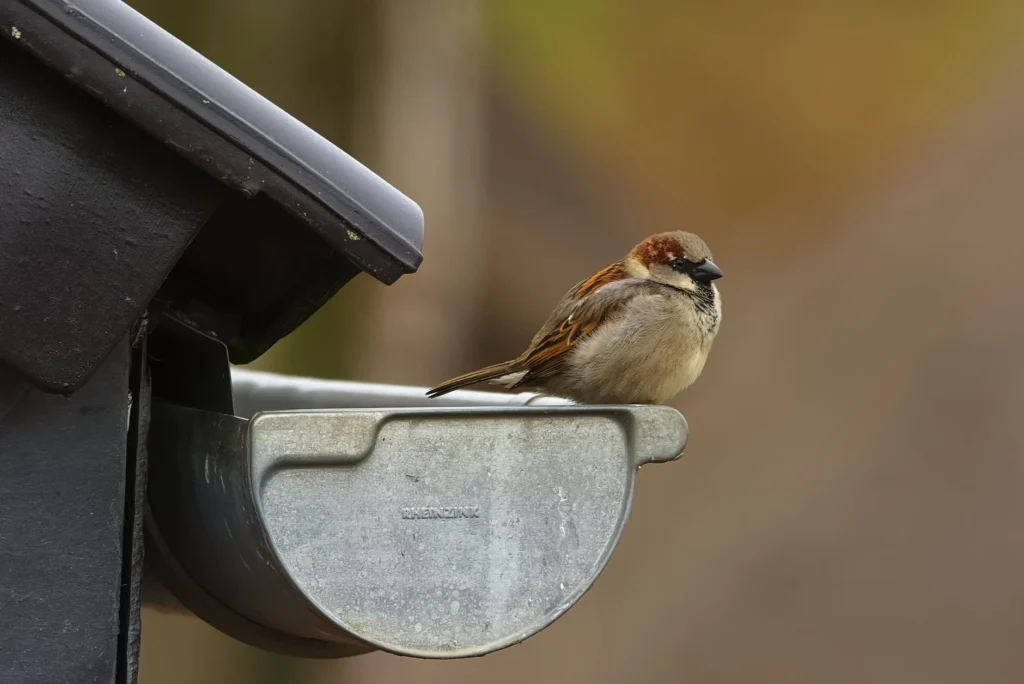
- Pest Control: Clogged gutters can become breeding grounds for mosquitoes and nests for birds, rodents, and insects. Guards keep these unwelcome guests out.
- Reduced Maintenance: While not entirely maintenance-free (some guards still need occasional rinsing or brushing), the frequency of full gutter cleanings drastically decreases.
- Increased Home Value: Gutter guards can be an attractive feature for potential buyers, signaling a well-maintained home with thoughtful upgrades.
A common mistake people make is choosing the cheapest option without considering their specific needs. If you have pine needles or very fine debris, a simple screen guard might still clog. Matching the guard type to your common debris is key.
Types of Gutter Guards: What’s Right for You?
Understanding the different kinds helps make an informed choice:
- Screen Guards: The most basic and affordable. They’re good for larger leaves but fine debris can still slip through or accumulate on top. Easy to install DIY.
- Brush Guards: Bristled cylinders that fit into the gutter. They catch larger debris but can also accumulate sediment and require periodic cleaning.
- Foam Guards: Wedges of foam that fit into the gutter. They block debris but can absorb water, potentially leading to mildew or freezing issues, and can degrade over time.
- Micro-Mesh Guards: Feature a fine mesh over a sturdy frame. Excellent at blocking nearly all debris, including pine needles and shingle grit. They tend to be more expensive but offer superior performance.
- Surface Tension (Reverse Curve) Guards: Utilize the principle of surface tension to guide water into the gutter while leaves fall over the edge. Very effective and durable, often custom-fitted.
Consider the type of trees around your home and the amount of precipitation you receive. Heavy leaf fall from deciduous trees might warrant a different solution than constant pine needle drop.
DIY vs. Professional Installation
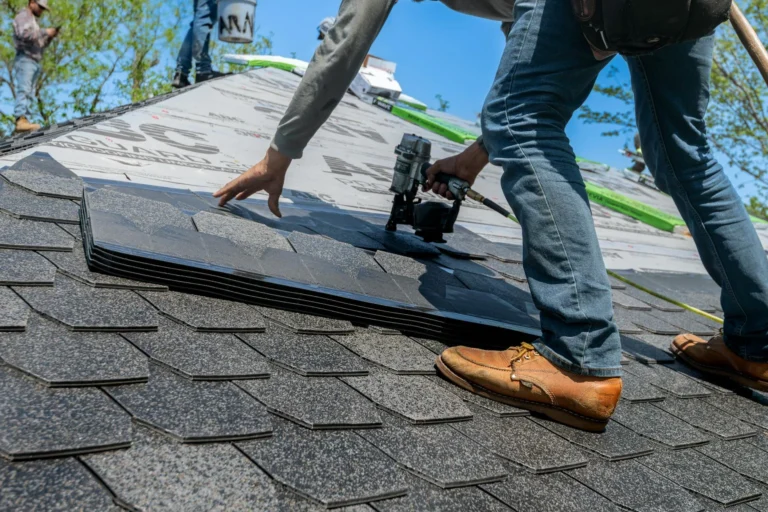
Many simpler gutter guards (screens, brushes, some foam types) can be installed by a homeowner with basic tools and a ladder. This saves on labor costs. However, for micro-mesh or surface tension guards, which often involve cutting, fitting, and working at significant heights, professional installation is usually recommended for optimal performance and safety.

Frequently Asked Questions
- How often do I still need to clean my gutters with guards?
- With effective guards, full gutter cleanings might only be needed every few years, or not at all for some high-end systems. You might still need to clear debris from the top of the guards occasionally, especially after heavy storms.
- Do gutter guards cause ice dams?
- Poorly installed or certain types of guards can potentially contribute to ice dams by trapping snow or impeding water flow. Choosing high-quality, properly installed guards designed for your climate can mitigate this risk. Ensure good attic ventilation, too.
- Are gutter guards suitable for all roof types?
- Most gutter guard systems are compatible with various roof types, including asphalt shingles, metal, and tile. However, some types may integrate better than others, and professional installers can advise on the best fit for your specific roof.

Images sourced from Pexels.