Invisalign vs. Braces: Current Costs & Options for 2026
Straightening your smile is a significant investment in both time and money, and for many, the choice between Invisalign and traditional braces is a primary decision. As we look at 2026, understanding the financial landscape and practical considerations for each option is key to making an informed choice.
It’s not just about the upfront cost; each orthodontic method comes with its own set of benefits, lifestyle adjustments, and long-term implications. From treatment duration to aesthetic preferences, getting a clear picture of what to expect helps in budgeting and planning your journey to a healthier, more confident smile.
Price Table: Invisalign vs. Braces (Estimated 2026 Costs)
| Item/Service | Estimated Range (USD) | Notes | |
|---|---|---|---|
| 🦷 | Orthodontic Consultation & Initial Assessment | $100 – $300 | Many providers apply this fee towards treatment if you proceed. |
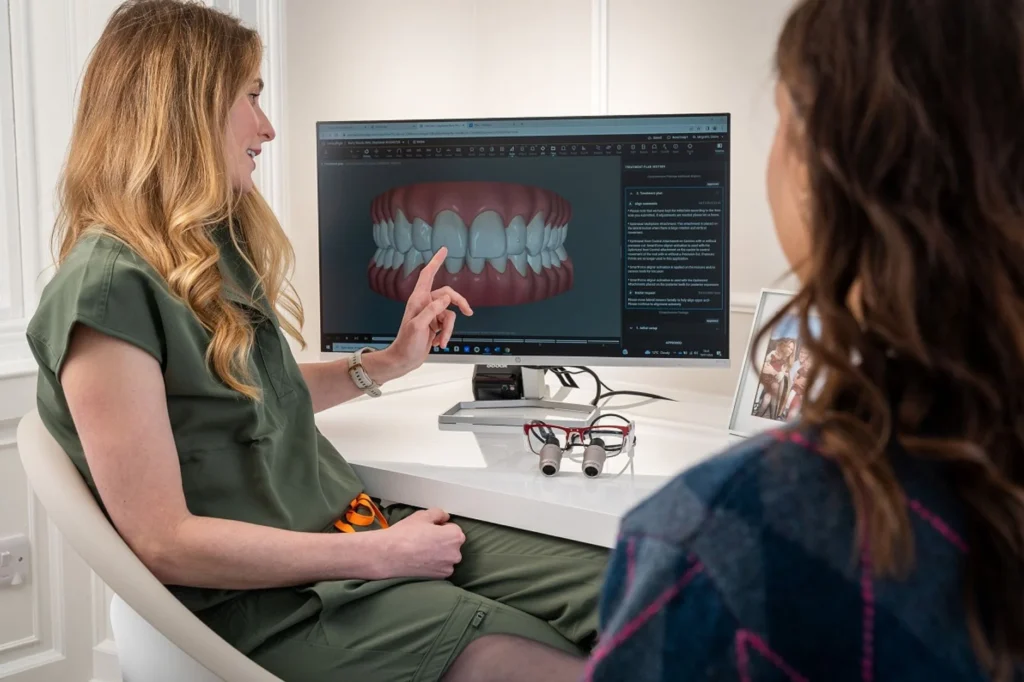
| 💎 | Invisalign Treatment (Full Course) | $3,800 – $8,500 | Includes custom aligners, digital scans, and routine adjustments. Costs vary with case complexity. |
| 🔗 | Traditional Metal Braces Treatment | $3,200 – $7,500 | Covers brackets, wires, and routine adjustments. Ceramic or lingual braces can range higher ($4,500 – $12,000+). |
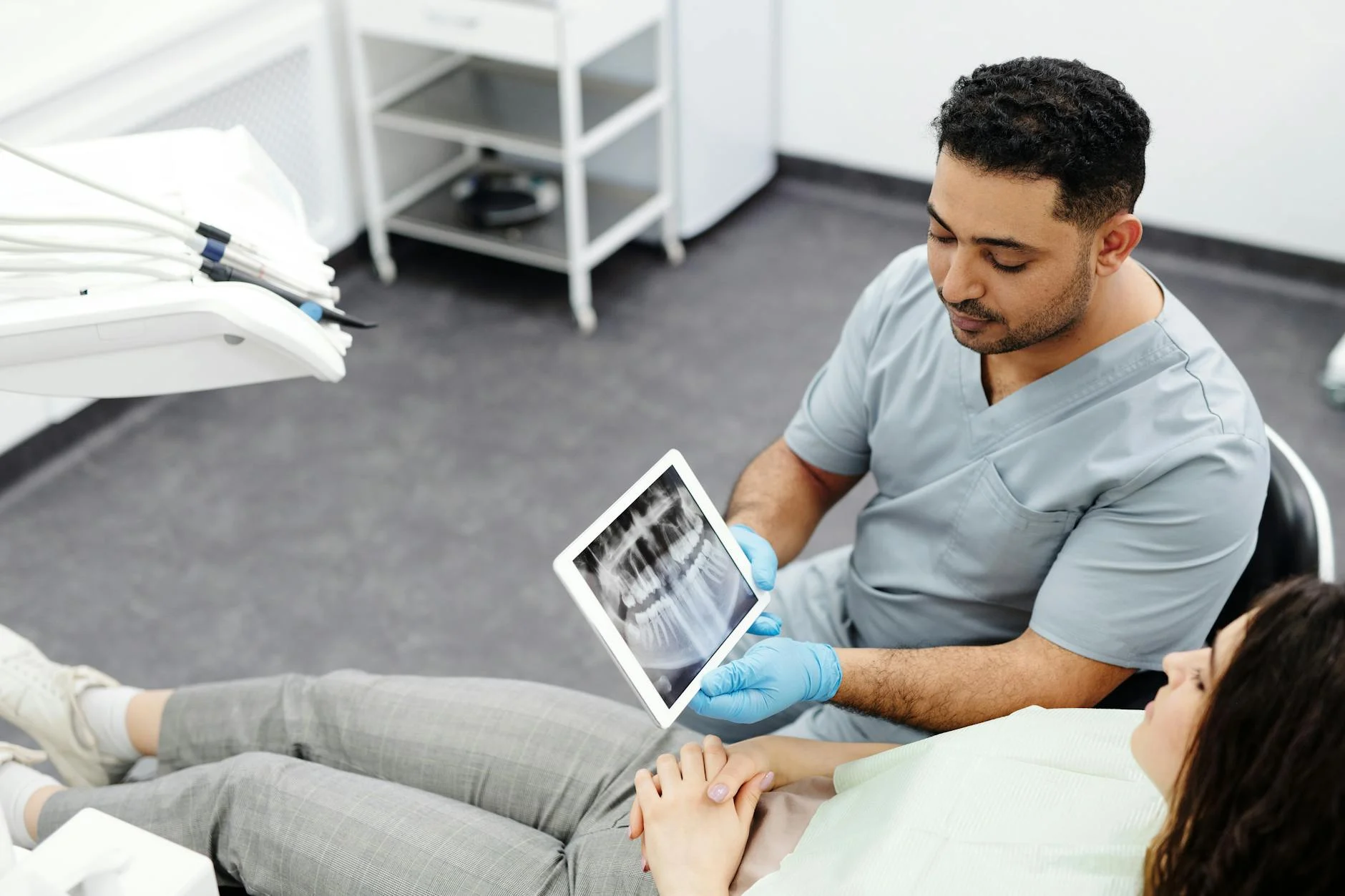
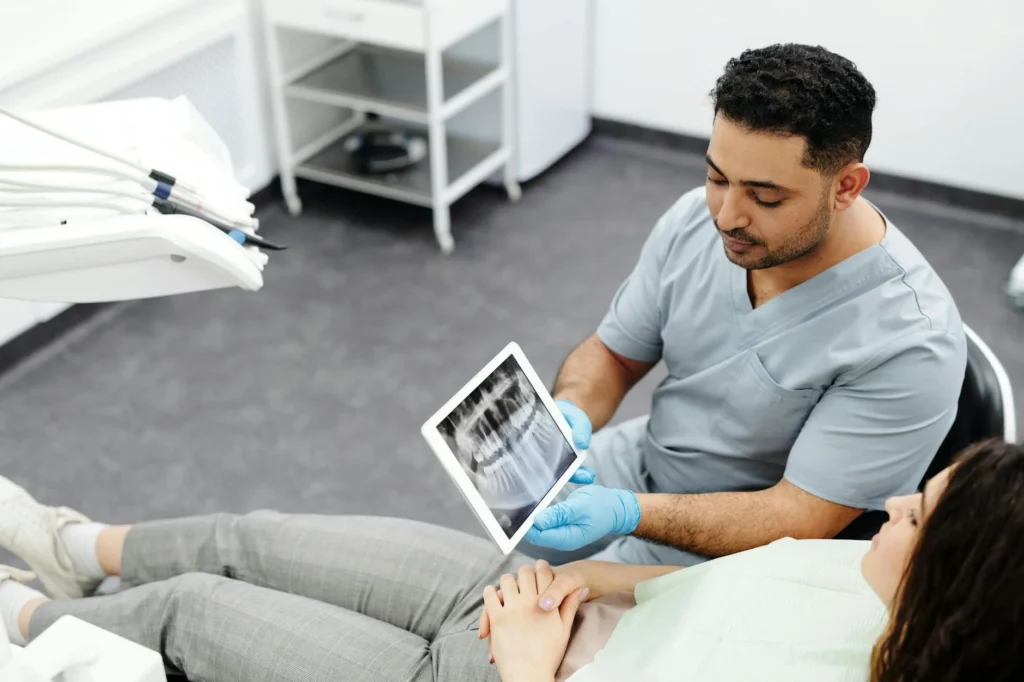
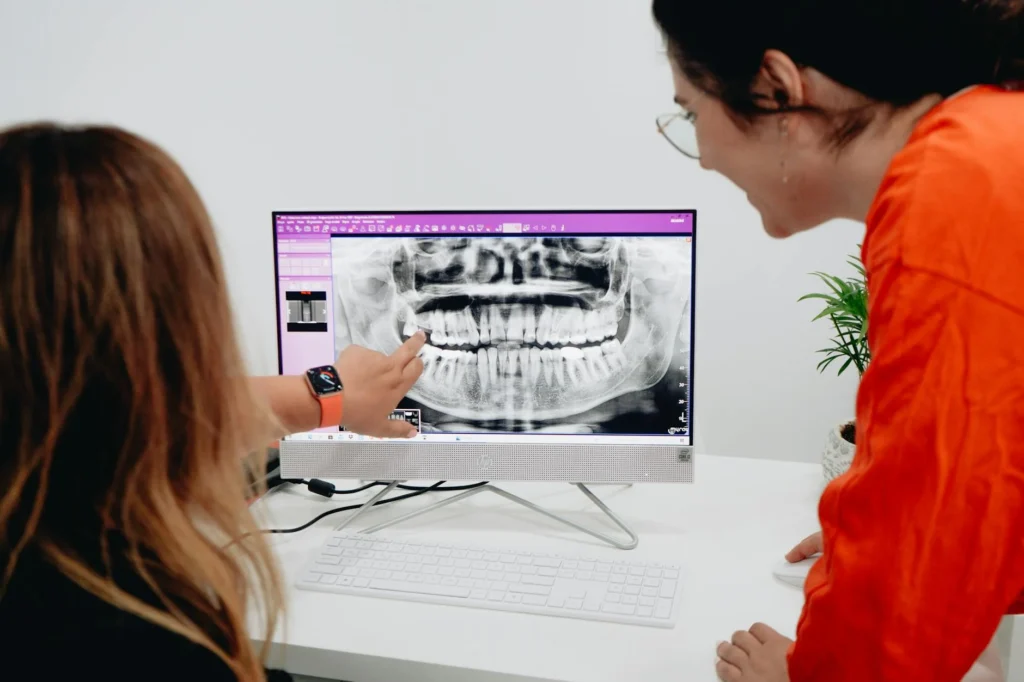
| 📸 | Diagnostic Imaging (X-rays, 3D Scans) | $150 – $400 | Often bundled into the overall treatment cost by many orthodontists. |
| ✨ | Retainers (Post-Treatment) | $300 – $1,000 | Essential for maintaining results; may be included in some packages, or an additional charge. |
| 🏥 | Follow-up Appointments | Included | Regular check-ups and adjustments are typically part of the treatment package. |
| TOTAL (Estimated Full Treatment) | $3,500 – $9,500 | These ranges are estimates for 2026 and vary significantly based on region, provider, and case complexity. Always get a personalized quote. |
Beyond the Price Tag: What Else to Consider
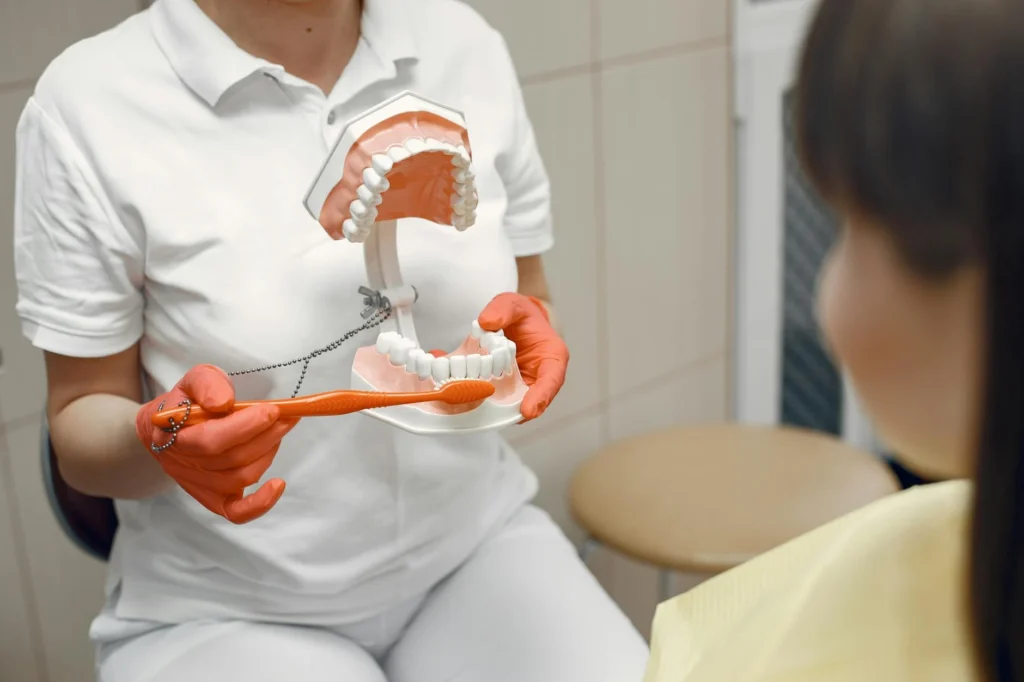
While cost is a major factor, your lifestyle and long-term commitment should heavily influence your decision. Invisalign offers a discreet appearance and removability for eating and brushing, which many find appealing. However, it demands strict adherence to wearing the aligners for 20-22 hours a day. Traditional braces, on the other hand, are fixed, meaning no worries about losing aligners, but they come with dietary restrictions and can make oral hygiene a bit more challenging.
A common mistake people make is choosing solely based on the lowest quoted price without considering the orthodontist’s experience, the inclusiveness of the package (e.g., retainers, emergency visits), or the overall treatment plan. Ensure you understand what’s covered.
Financing Your Orthodontic Journey in 2026
Don’t let the upfront cost deter you. Many avenues exist to make orthodontic treatment affordable in 2026. Most dental insurance plans provide some coverage for orthodontics, especially for younger patients, often covering a percentage up to a lifetime maximum. Adult coverage can vary widely, so a thorough check of your policy is crucial.
Additionally, most orthodontic practices offer flexible payment plans, often interest-free, allowing you to spread the cost over the treatment duration. Health Savings Accounts (HSAs) and Flexible Spending Accounts (FSAs) are excellent ways to use pre-tax dollars for these expenses. Another practical tip: always get at least two or three consultations and quotes from different orthodontists. Prices for identical treatments can vary surprisingly between clinics, even within the same geographic area.
Frequently Asked Questions
- How long do treatments typically last in 2026?
- Most orthodontic treatments, whether Invisalign or traditional braces, generally span 12 to 24 months. Simpler cases might finish quicker, while more complex alignments could take longer.
- Will my dental insurance cover orthodontic treatment?
- Many dental insurance plans in 2026 offer some level of coverage for orthodontics, especially for minors. Adult coverage varies widely, often covering 25% to 50% of the cost up to a lifetime maximum. Always check your specific plan details.
- Are payment plans available?
- Absolutely. Most orthodontists understand the significant investment involved and offer flexible payment plans, often interest-free for the duration of the treatment. Third-party financing options are also common.
Images sourced from Pexels.