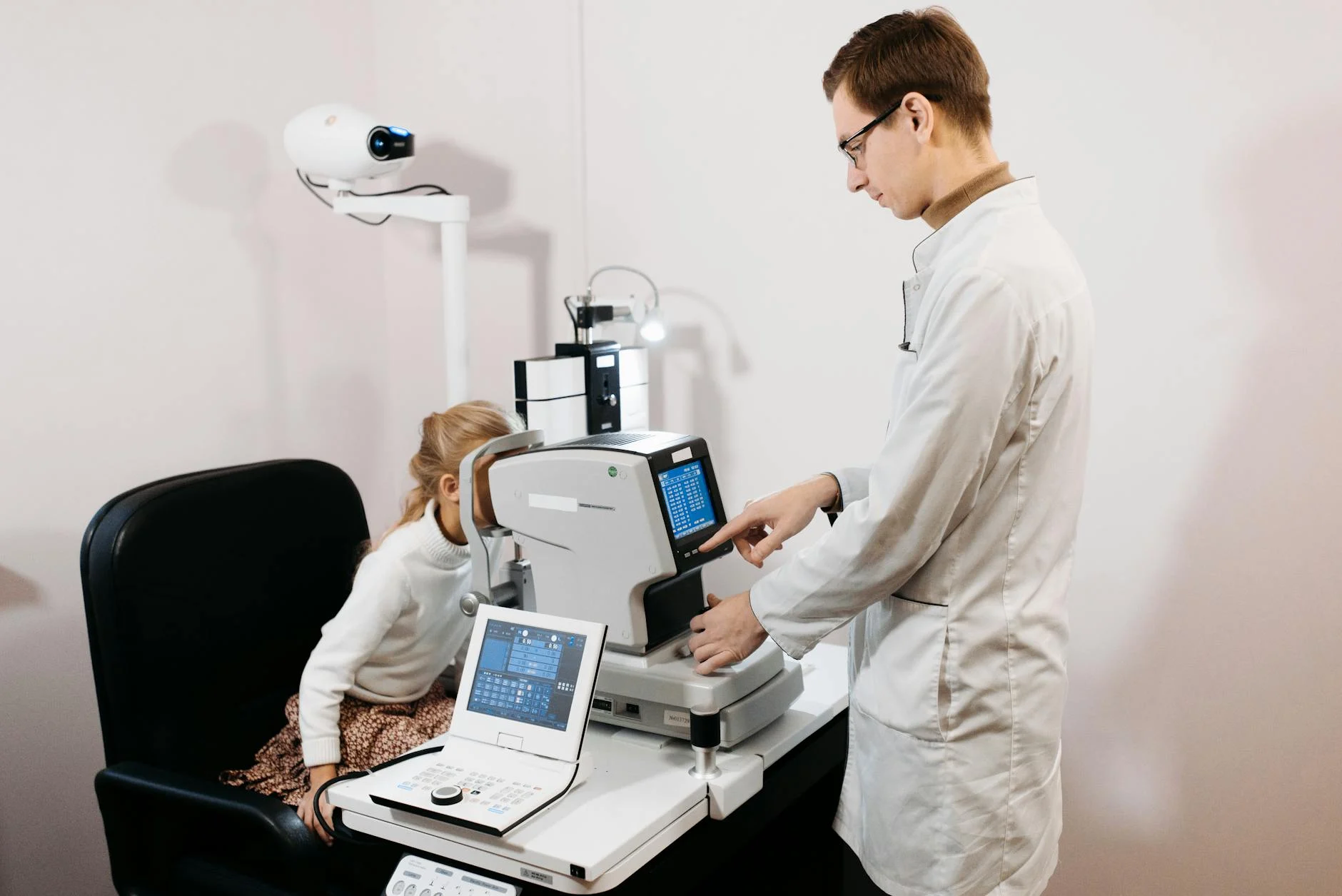
Updated Guide: Cataract Surgery Costs & Options for 2026
Considering cataract surgery in 2026? It’s a common procedure, and while the thought of a clearer view is exciting, understanding the financial side is a crucial first step. Prices can vary significantly based on the type of lens, the technology used, and even where you live.
This guide aims to break down the expected expenses for cataract surgery next year, helping you budget and make informed choices. Remember, investing in your vision is an investment in your quality of life, and knowing what to expect can ease a lot of that pre-surgery worry.
Price Table: Estimated Cataract Surgery Expenses (2026)
| Item/Service | Estimated Range (USD) | Notes | |
|---|---|---|---|
| 👁️ | Initial Consultation/Exam | $150 – $400 | Includes diagnostic tests to determine cataract severity and eye health. Often covered by insurance. |
| 👨⚕️ | Surgeon’s Fee | $1,500 – $3,500 per eye | Covers the surgeon’s expertise and time during the procedure. Varies by experience and region. |
| 🏥 | Facility Fee (Outpatient Surgery Center) | $1,000 – $2,500 per eye | Covers the use of the surgical suite, equipment, and nursing staff. Hospital-based facilities may be higher. |
| 💉 | Anesthesia Fee | $300 – $800 per eye | Covers the anesthesiologist’s services for local or monitored anesthesia. |
| 💎 | Standard Monofocal IOL (Intraocular Lens) | Included in Surgeon/Facility Fee (or up to $200 out-of-pocket) | Basic lens for single-distance vision (usually far). Reading glasses often still needed. |
| 👓 | Premium IOLs (Toric, Multifocal, Extended Depth of Focus) | $1,500 – $4,000 per eye | These advanced lenses correct astigmatism or offer multi-distance vision. Often not fully covered by insurance. |
| 🧪 | Pre- and Post-Operative Care/Medications | $200 – $500 | Eye drops (antibiotics, anti-inflammatory) and follow-up visits. |
| TOTAL (per eye, without premium IOL) | $3,150 – $7,200 | ||
| TOTAL (per eye, with premium IOL) | $4,650 – $11,200 |
Disclaimer: These ranges are estimates for 2026 and can vary widely based on your geographical location, the specific surgeon and clinic, the complexity of your case, and chosen lens technology. Insurance coverage will also significantly impact your out-of-pocket expenses. Always get a detailed quote from your provider.
For most people, health insurance will cover a significant portion of cataract surgery, especially for the basic procedure using a standard monofocal lens. However, the exact coverage depends on your plan and deductible. A common mistake is not verifying what your plan considers ‘medically necessary’ versus ‘elective’ when it comes to premium lens options. These advanced lenses, while offering benefits like reduced dependence on glasses, are often considered elective by insurers, leaving you responsible for the difference in cost.
Don’t hesitate to contact your insurance provider directly. Ask specific questions about facility fees, surgeon fees, and what percentage of each is covered. Many clinics also offer financing plans or can help you explore medical credit options. Some non-profit organizations might also provide assistance, especially for those with limited income.
Choosing Your IOL: Standard vs. Premium
The choice of intraocular lens (IOL) is perhaps the biggest factor in your out-of-pocket expenses. Standard monofocal IOLs provide clear vision at one distance, typically far. This means you’ll still need glasses for reading or close-up tasks. They are usually covered by insurance as part of the procedure.
Premium IOLs, such as toric lenses (for astigmatism), multifocal, or extended depth of focus (EDOF) lenses, aim to reduce or eliminate the need for glasses at multiple distances. These advanced options come with a higher price tag, as the additional cost is usually not covered by insurance. Your eye surgeon will discuss which lens type is best suited for your lifestyle and vision goals during your consultation.
Frequently Asked Questions
- How long does recovery typically take?
- Most patients notice improved vision within 24-48 hours. Full recovery and stabilization of vision can take a few weeks. You’ll have follow-up appointments to monitor your progress.
- Can I get both eyes done at once?
- Typically, surgeons perform cataract surgery on one eye at a time, allowing for the first eye to heal before operating on the second. This also helps assess the outcome and adjust treatment for the second eye if necessary.
- What happens if I delay surgery?
- Delaying surgery can lead to worsening vision, making daily tasks more difficult and potentially increasing the complexity of the procedure when it is finally performed. It’s best to discuss the timing with your ophthalmologist.

Images sourced from Pexels.