
The Real Cost of Veneers in 2026: What to Expect
Considering a smile transformation with veneers in 2026? It’s a popular cosmetic procedure, offering a dramatic change to the appearance of your teeth, correcting issues from discoloration to minor alignment problems. But like any significant investment, understanding the financial commitment upfront is crucial for proper planning.
The price tag for veneers can vary considerably, influenced by a blend of factors. While there’s no single ‘official’ price, we’ve put together a detailed breakdown of what you can realistically expect to pay for a radiant smile in the coming year. Let’s dive into the typical expenses involved, helping you budget wisely.

Price Table: Veneers in 2026
Please note: These are estimated ranges for the United States in 2026. Actual costs will vary significantly based on your geographic location, the dentist’s expertise, the complexity of your case, and the materials chosen. Always get a personalized quote from your chosen provider.
| Item/Service | Estimated Range (USD) | Notes | |
|---|---|---|---|
| 🦷 | Initial Consultation & Exam | $100 – $350 | Includes X-rays and comprehensive assessment. Some clinics may offer free consultations. |
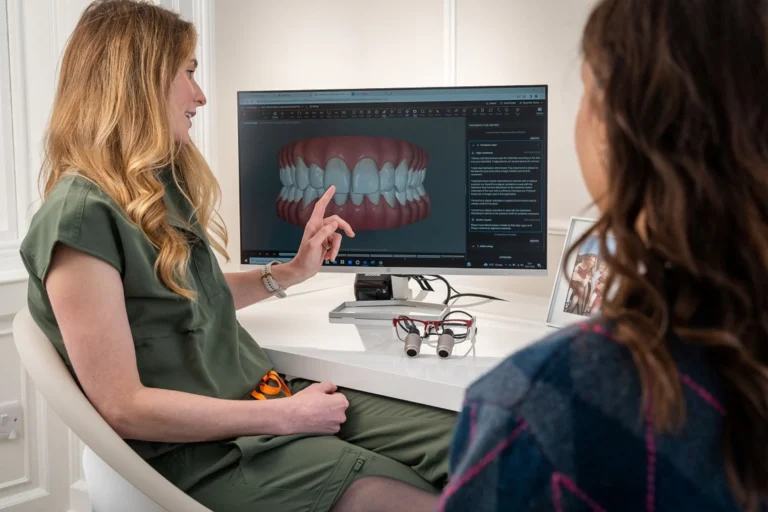
| 💡 | Diagnostic Wax-Up/Digital Design | $250 – $700 | Essential for visualizing the final result and planning the procedure. Often per arch. |
| ✨ | Porcelain Veneer (per tooth) | $1,200 – $2,500+ | Higher durability, aesthetics, and stain resistance; custom-made in a lab. The most common choice. |
| 🛠️ | Composite Veneer (per tooth) | $600 – $1,500 | Directly applied and sculpted by the dentist; generally less expensive and quicker, but less durable. |
| 🩹 | Temporary Veneers (if needed) | $50 – $200 (per tooth) | Worn while permanent porcelain veneers are being fabricated. May be included in overall cost. |
| 💉 | Anesthesia/Sedation (optional) | $150 – $500 | Local anesthesia is standard; conscious sedation costs more and varies by duration. |
| 🧼 | Follow-up & Adjustments | $0 – $200 | Minor adjustments are often included for a short period after placement. |
| TOTAL (per tooth, single veneer) | $1,300 – $3,000+ | Assumes one veneer, excluding extensive prep or additional procedures. Most patients opt for 4-8 veneers. |

Factors Influencing Your Final Bill
Several key elements will shape the final cost of your veneer procedure. Firstly, your geographical location plays a big role – dental services in major metropolitan areas tend to be pricier than in suburban or rural regions. The dentist’s reputation and experience also factor in; highly sought-after cosmetic dentists often command higher fees. Another crucial determinant is the material: porcelain veneers are generally more expensive due to their superior durability and custom fabrication, while composite veneers offer a more budget-friendly, direct application, though with different properties.
Beyond the Initial Price Tag: Long-Term Considerations
A common mistake people make is only focusing on the upfront per-veneer cost. Remember, veneers, especially porcelain, are an investment that requires ongoing care. You’ll need regular dental check-ups and professional cleanings, just like your natural teeth. While highly durable, veneers can chip or crack, potentially requiring repair or even replacement down the line, which isn’t typically covered by initial treatment fees. Factor in the long-term maintenance and potential future costs when planning your overall budget.
Unfortunately, most dental insurance plans in 2026 still classify veneers as a cosmetic procedure, meaning full coverage is rare. However, some plans might cover a portion of the initial consultation or any necessary preparatory work, such as treating gum disease, if there’s a medical necessity. Always check with your provider directly. For the remaining balance, many dental offices offer flexible payment plans or work with third-party financing companies. Don’t hesitate to discuss these options during your consultation; it can make the investment more manageable.

Frequently Asked Questions About Veneers in 2026
- Are veneers covered by insurance in 2026?
- Generally, no. Most insurance companies consider veneers an elective cosmetic procedure. However, some plans might cover diagnostic X-rays or preparatory work if there’s an underlying dental health issue.
- How long do veneers typically last?
- Porcelain veneers can last 10 to 15 years, sometimes even longer, with proper care. Composite veneers usually have a shorter lifespan, typically 5 to 7 years, before needing repair or replacement.
- What’s the main difference between porcelain and composite veneers besides cost?
- Porcelain veneers are custom-made in a lab, offering superior aesthetics, durability, and stain resistance. They typically require more tooth preparation. Composite veneers are applied directly to the tooth by the dentist, are less invasive, and can be repaired more easily, but are generally less stain-resistant and durable.

Images sourced from Pexels.