The Real Cost of MRI & CT Scans in 2026: What to Expect
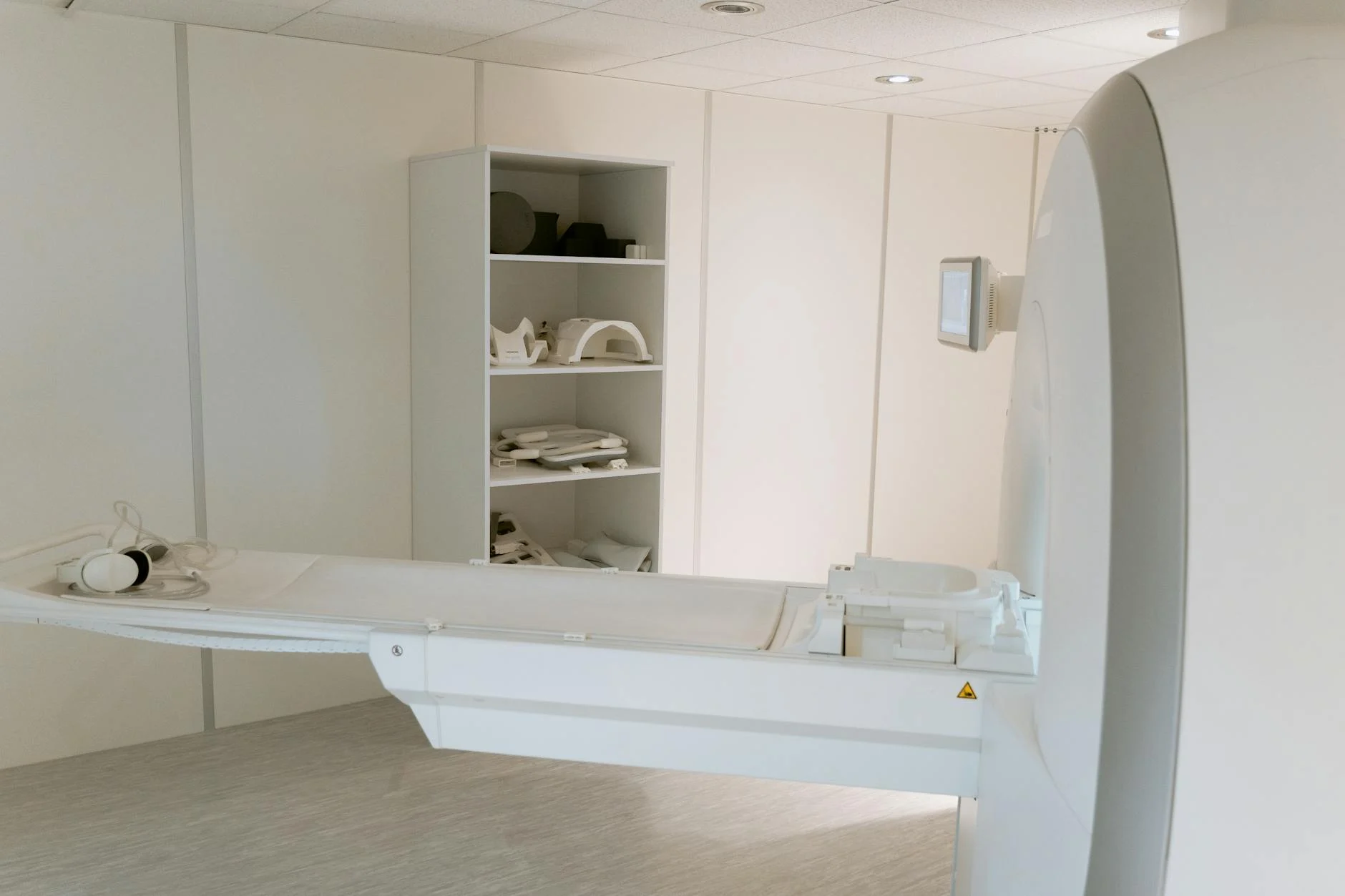
Navigating healthcare expenses can feel like a moving target, and by 2026, understanding the true cost of essential diagnostic imaging like MRI and CT scans is more crucial than ever. As medical technology advances and healthcare landscapes evolve, so do the financial aspects of these procedures. Knowing what to anticipate can empower you to make informed decisions and better manage your medical budget.
These aren’t simple, one-size-fits-all prices. A range of factors—from the specific type of scan and the facility you choose to your insurance coverage and even your geographic location—will significantly influence your final bill. Our aim is to provide a clear, practical look at what you can reasonably expect to pay for MRI and CT scans in 2026, helping you prepare for potential out-of-pocket expenses.
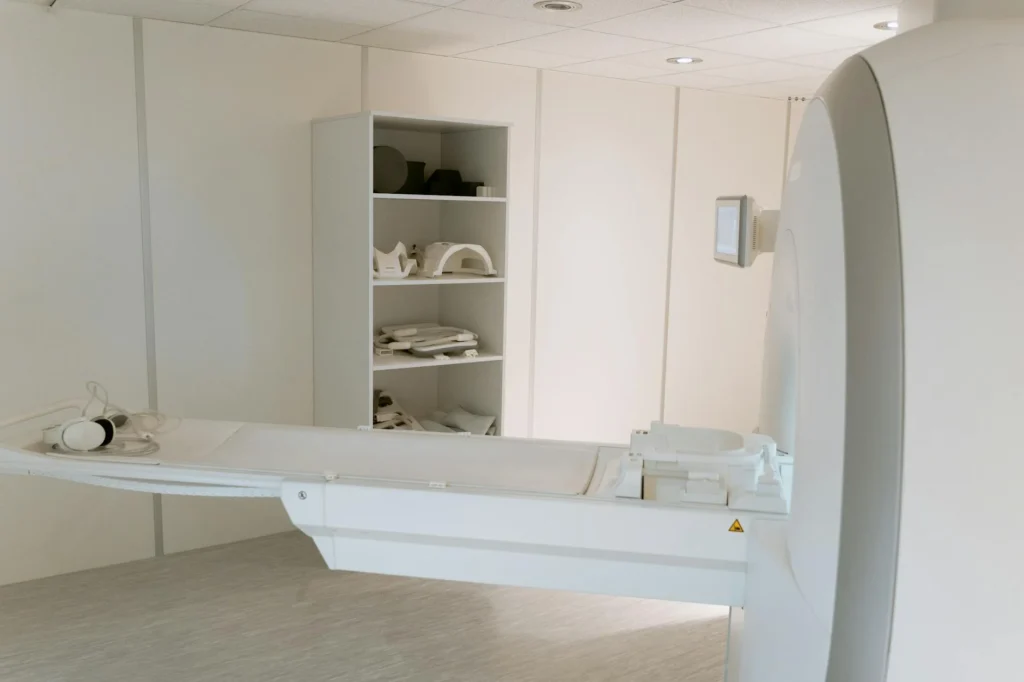
Estimated Scan Costs in 2026
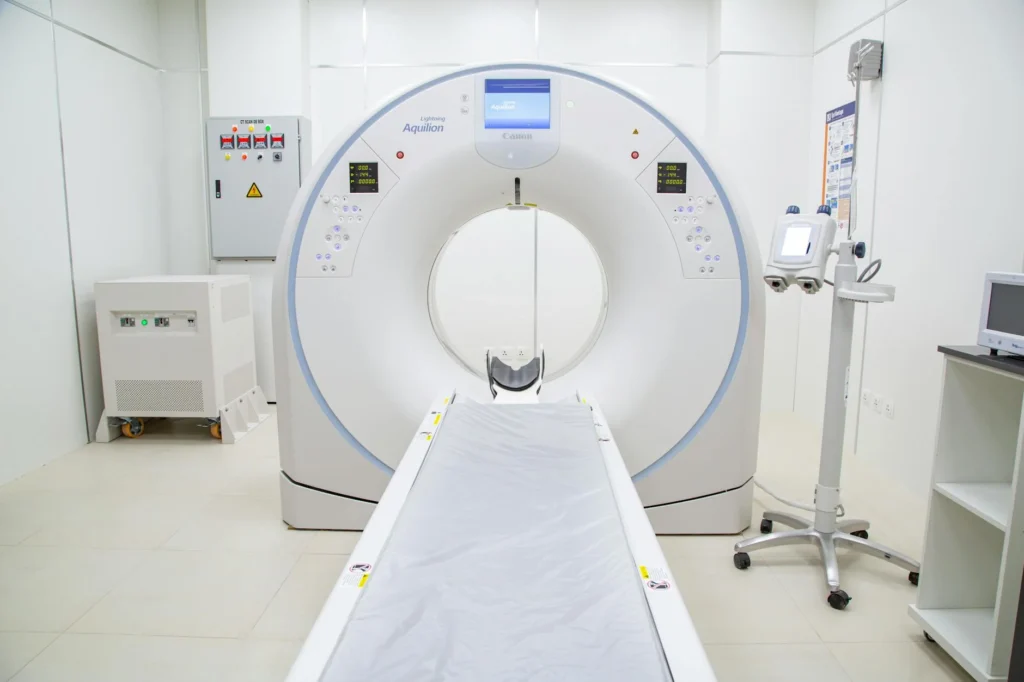
The table below provides a general overview of estimated ranges for common MRI and CT scans in 2026. Keep in mind that these are broad estimates; actual costs can vary significantly based on provider, region, quality of equipment, and whether you receive the scan at a hospital or an outpatient clinic.
| Item/Service | Estimated Range (USD) | Notes | |
|---|---|---|---|
| 🧠 | MRI Brain | $1,200 – $6,000 | Often requires contrast. Higher end for complex scans or hospital settings. |
| abdominal | CT Abdomen | $500 – $3,500 | May include oral or IV contrast. Generally less expensive than MRIs. |
| 🦵 | MRI Knee | $1,000 – $5,500 | Common for sports injuries. Cost influenced by facility type. |
| 🫁 | CT Chest | $600 – $4,000 | Used for lung conditions, infections. Price varies with contrast use. |
| 脊 | MRI Spine (Cervical/Lumbar) | $1,500 – $7,000 | Detailed imaging for back pain, nerve issues. Often among the most expensive. |
| ✅ | TOTAL (Typical Full Procedure) | $1,000 – $6,500 | This represents a broad estimate for a single, comprehensive scan procedure including facility, radiologist interpretation, and basic prep fees. Highly variable. |
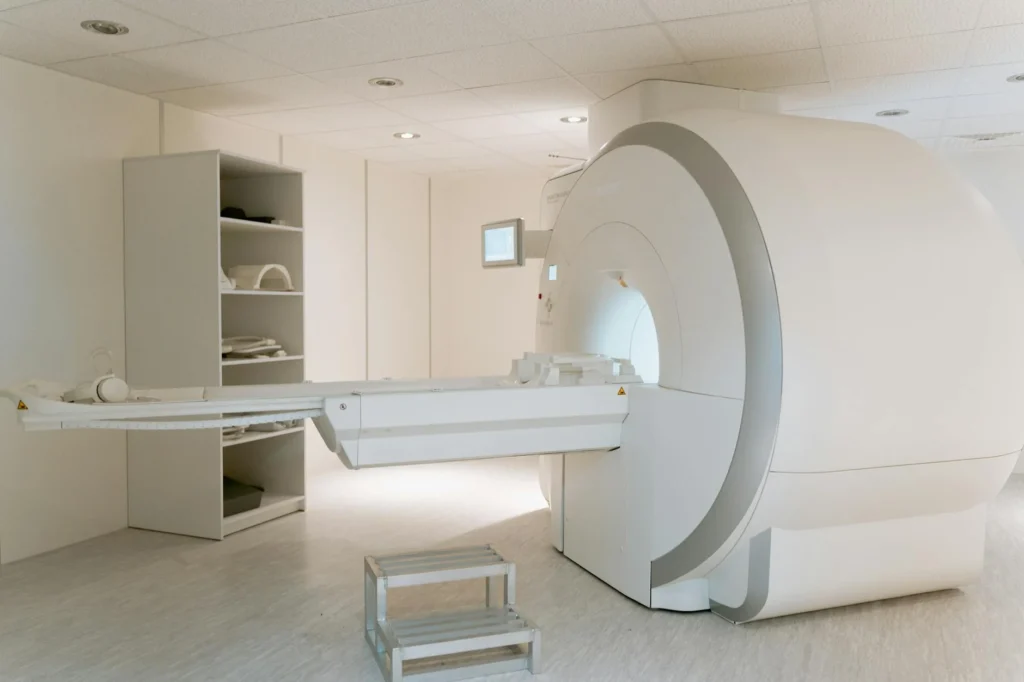
Key Factors Influencing Your Bill
Insurance Coverage
Your health insurance plan is arguably the biggest determinant of your out-of-pocket cost. Deductibles, copayments, and coinsurance amounts can swing your final payment wildly. Many plans require prior authorization for MRI and CT scans, and skipping this step is a common mistake that can lead to a denied claim and a much larger bill.
Facility Type
Where you get your scan matters a lot. Hospital-based imaging centers typically charge significantly more than standalone outpatient radiology clinics for the exact same procedure. This difference can be thousands of dollars. Always ask if an outpatient option is available and suitable for your needs.
Geographic Location
Healthcare costs aren’t uniform across the United States or even within states. Major metropolitan areas generally have higher prices compared to rural regions. Even within the same city, prices can differ from one provider to another.
Smart Strategies to Save
Don’t just accept the first quote. Call around to different imaging centers and ask for their self-pay or insured rates for your specific scan. When you do receive a bill, always request an itemized statement to check for any discrepancies or duplicate charges. Sometimes, just asking if a cash discount is available can save you hundreds.
Quick FAQ
Do insurance plans always cover MRI/CT scans?
Not always. While most medically necessary scans are covered, many plans require prior authorization or may only cover specific types of scans under certain conditions. Always verify with your insurer beforehand to avoid unexpected costs.
Can I get a transparent price quote before my scan?
Yes, you absolutely should! Most reputable imaging centers and hospitals can provide an estimated cost for your specific scan, especially if you have your insurance information handy. Some states also have price transparency laws to help consumers.
Is there a cost difference between an MRI and a CT scan?
Generally, MRI scans tend to be more expensive than CT scans due to the technology involved, the longer scan times, and the expertise required for interpretation. However, this isn’t a hard and fast rule; a complex CT scan with contrast could sometimes be pricier than a basic MRI in certain settings.
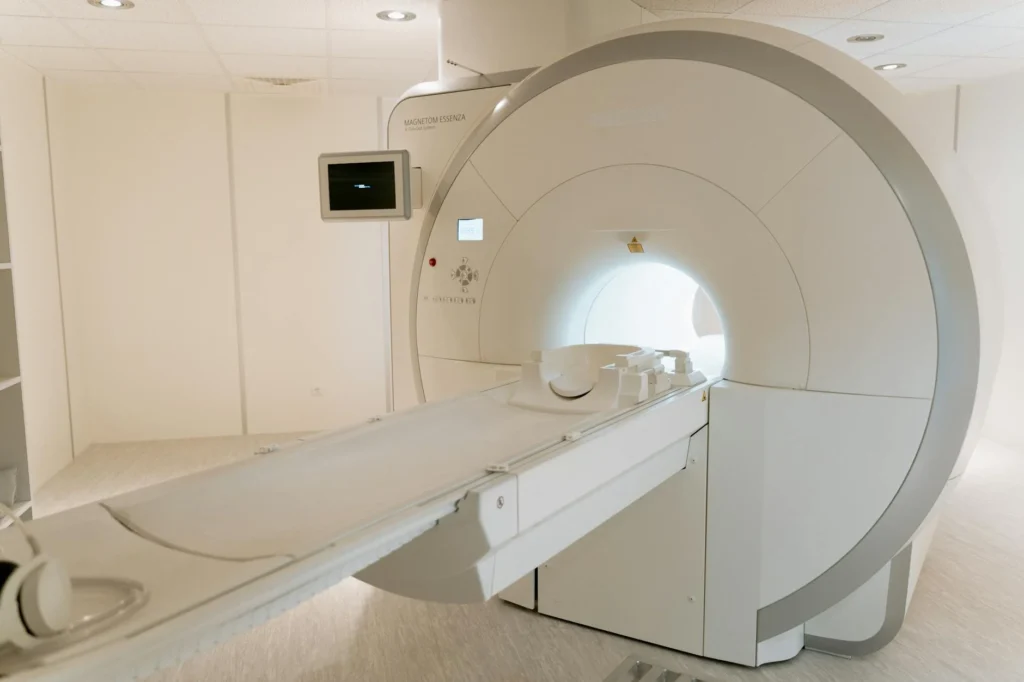
Images sourced from Pexels.