The Real Cost of Window Replacement: What You Need to Know
Replacing your home’s windows is more than just a cosmetic upgrade; it’s a significant investment in your property’s energy efficiency, comfort, and curb appeal. From blocking drafts to enhancing security, new windows offer a host of benefits that can improve your daily living and potentially increase your home’s value.
However, understanding the full financial picture can be complex. The ‘sticker price’ for windows is just one piece of the puzzle. There are labor costs, disposal fees, potential permits, and sometimes unexpected expenses that can quickly add up. Knowing what to expect financially will help you budget effectively and make informed decisions.
Current Window Replacement Cost Breakdown
Getting a clear picture of the costs involved is crucial. Below is an estimated breakdown of current expenses you might encounter. Remember, these ranges can vary significantly based on your location, chosen window type, installer, and the specifics of your home.
| Item/Service | Estimated Range (USD) | Notes | |
|---|---|---|---|
| 🪟 | Window Unit (per window) | $300 – $1,200+ | Varies widely by material (vinyl, wood, fiberglass), glazing (double/triple pane), and style (casement, double-hung, picture). |
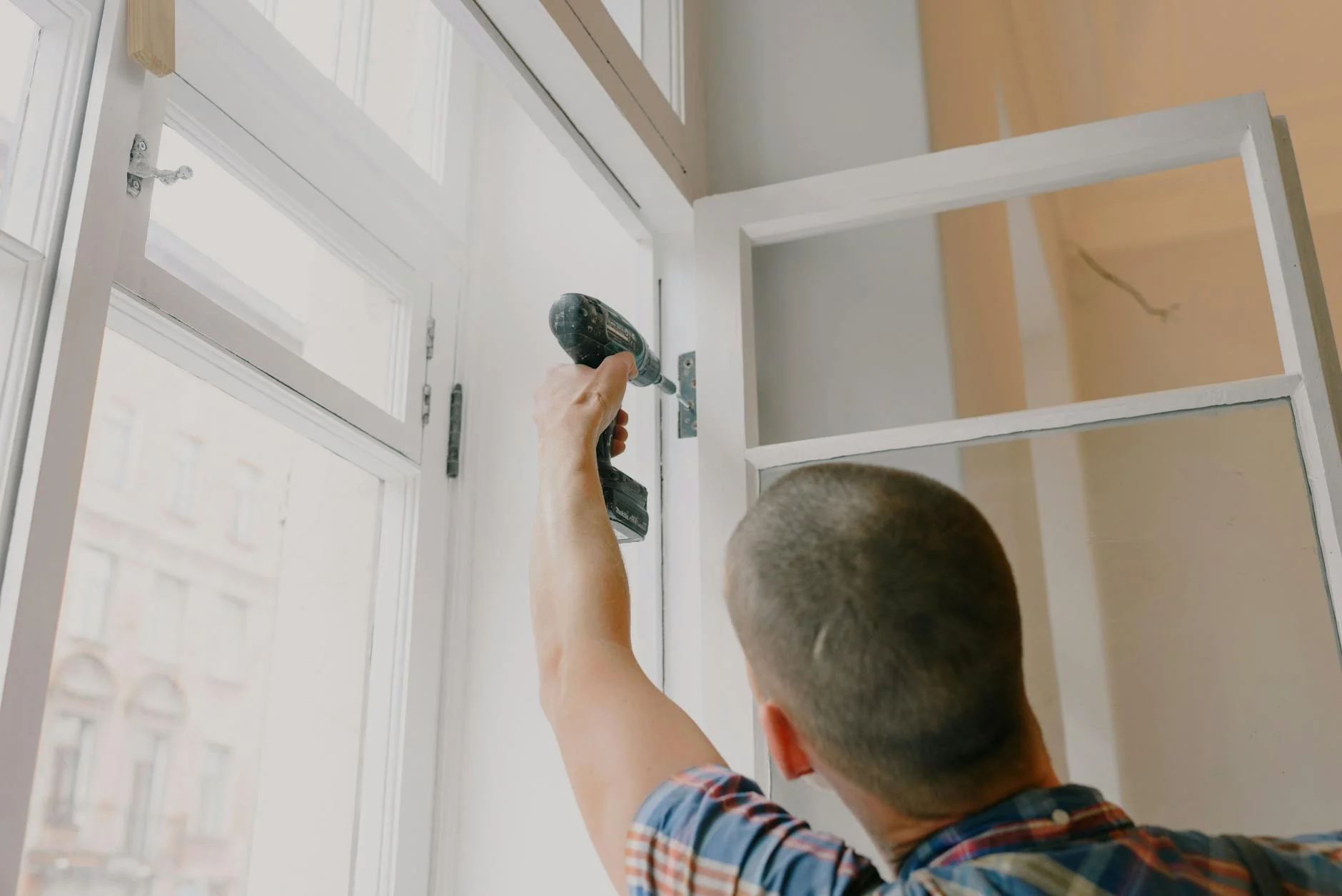
| 🛠️ | Installation Labor (per window) | $100 – $300 | Includes removal of old window, preparation, and installation of new. More complex installations (e.g., bay windows, difficult access) will cost more. |
| ♻️ | Disposal of Old Windows | $20 – $50 (per window) | Many installers include this, but always confirm. Can also be a flat fee. |
| 📜 | Permits | $75 – $250 | Required in many areas. Your contractor should usually handle this. |
| 🔩 | Additional Materials | $50 – $150 (per window) | Trim, insulation, caulk, fasteners, flashing. |
| ⚠️ | Lead Paint Abatement/Testing | $200 – $1,000+ | If your home was built before , testing and specialized abatement may be required, adding significant cost. |
| 💰 | TOTAL (per window) | $545 – $2,950+ | This is a broad estimate per window, before potential bulk discounts or unexpected issues. |
Disclaimer: These figures are current estimates for typical projects. Actual prices can fluctuate significantly based on regional labor rates, specific material choices, manufacturer, and the complexity of your home’s architecture.
Factors Influencing Your Final Bill
Understanding what drives costs can help you make smarter choices:
- Window Material and Type: Vinyl windows are generally the most affordable, followed by aluminum, wood, and fiberglass. Double-pane windows are standard, but triple-pane offers superior energy efficiency at a higher price. Don’t just look at the cheapest option; consider the long-term energy savings.
- Installation Complexity: Larger windows, custom shapes, historical homes requiring careful restoration, or installations on upper floors with difficult access will increase labor costs. Removing existing trim, dealing with rot, or structural issues behind the old windows also adds time and expense.
- Energy Efficiency Upgrades: Features like Low-E coatings, argon or krypton gas fills, and warm-edge spacers improve insulation but come at an added cost. These often qualify for energy rebates, however.
- Regional Labor Rates: Labor costs vary significantly by geographic region. Urban areas typically have higher installation costs than rural ones.
Beyond the Initial Quote: Hidden Costs to Watch For
One common mistake homeowners make is not getting a truly comprehensive quote. Always ask for a detailed, itemized breakdown. Be aware of potential hidden costs:
- Unexpected Structural Repairs: Once old windows are removed, hidden rot, mold, or damaged framing can be discovered, requiring additional repair work.
- Lead Paint or Asbestos Removal: If your home is older, testing might be necessary, and proper, certified removal can be expensive and legally required.
- Interior Finishing: While installers handle the window, you might be responsible for patching drywall, painting, or re-installing blinds or curtains. Clarify what’s included in the ‘finish work.’
- Debris Removal and Cleanup: Confirm if the contractor includes hauling away all old windows and construction debris.
Maximizing Your Investment
New windows are an investment that pays off over time. To maximize your benefits:
- Research Rebates and Tax Credits: Many local utilities and federal programs offer incentives for installing energy-efficient windows. Check the latest available programs.
- Choose Reputable Contractors: Get multiple quotes, check references, and ensure your chosen contractor is licensed and insured. Poor installation can negate the benefits of even the best windows.
- Understand Warranties: Review both the manufacturer’s warranty for the windows and the installer’s warranty for their workmanship.
Frequently Asked Questions
- How long does window replacement take?
- For an average home with 10-15 windows, expect the project to take 1-3 days, though larger or more complex jobs can take longer.
- Do I need a permit for window replacement?
- In most jurisdictions, yes, a permit is required to ensure the work meets current building codes. A reputable contractor will typically handle obtaining necessary permits.
- Can I save money by installing windows myself?
- While DIY can save on labor, window installation is complex and requires precision. Improper installation can lead to drafts, water leaks, voided warranties, and negate any potential energy savings. For most homeowners, professional installation is recommended.
Images sourced from Pexels.