Solar Panel Installation: Real Cost & Savings in 2026
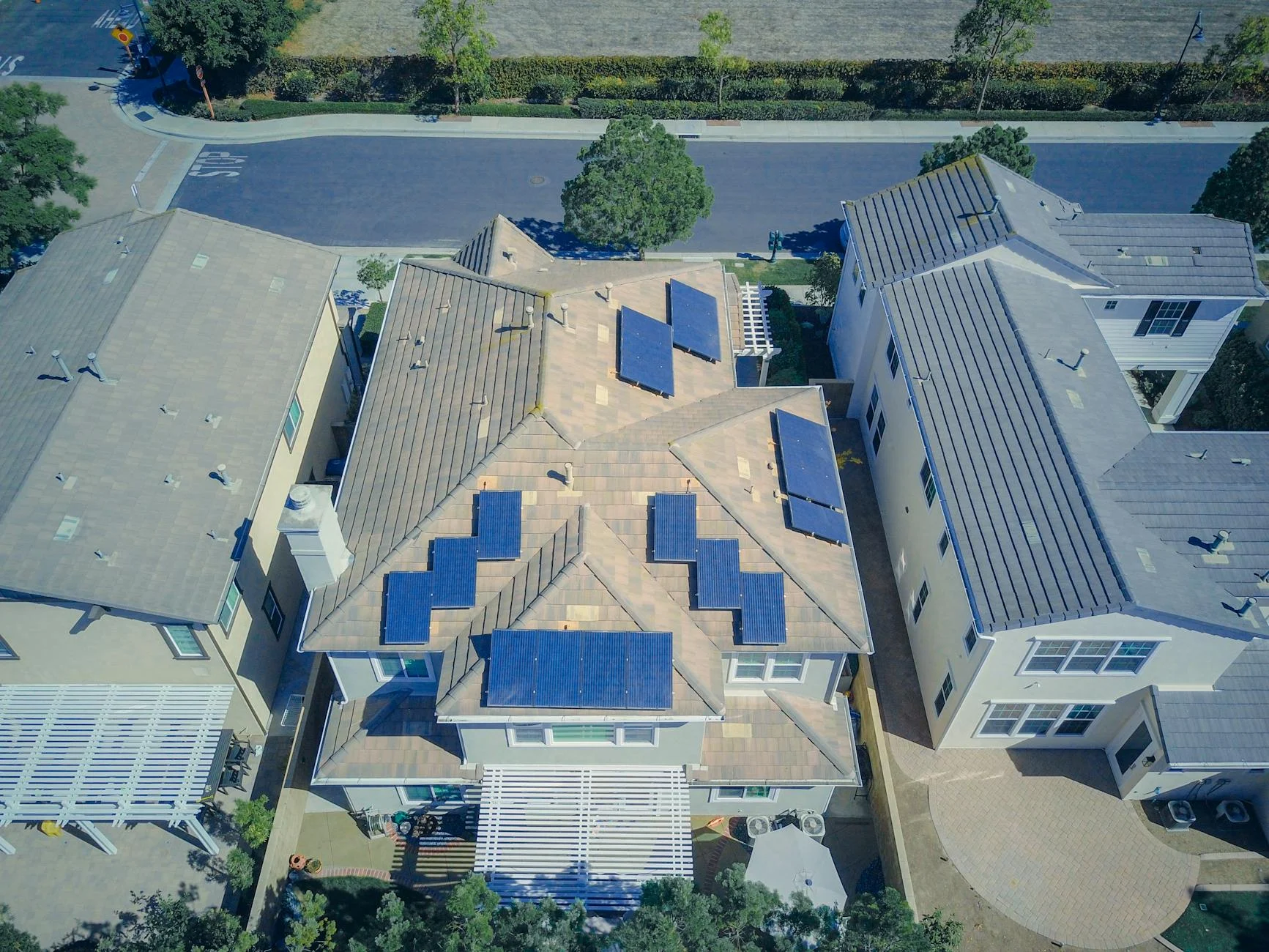
Looking to power your home with sunshine by 2026? Good timing. Solar technology continues its impressive march forward, making clean energy more accessible and efficient than ever. As climate goals become stricter and energy prices fluctuate, investing in a home solar system is becoming a smart move for long-term savings and energy independence.
But what does that investment actually look like? Understanding the true cost of going solar in 2026 involves more than just the panels themselves. From installation labor to permits and optional battery storage, there are several components that contribute to the final price tag. Let’s break down the expected expenses and how you can maximize your savings.
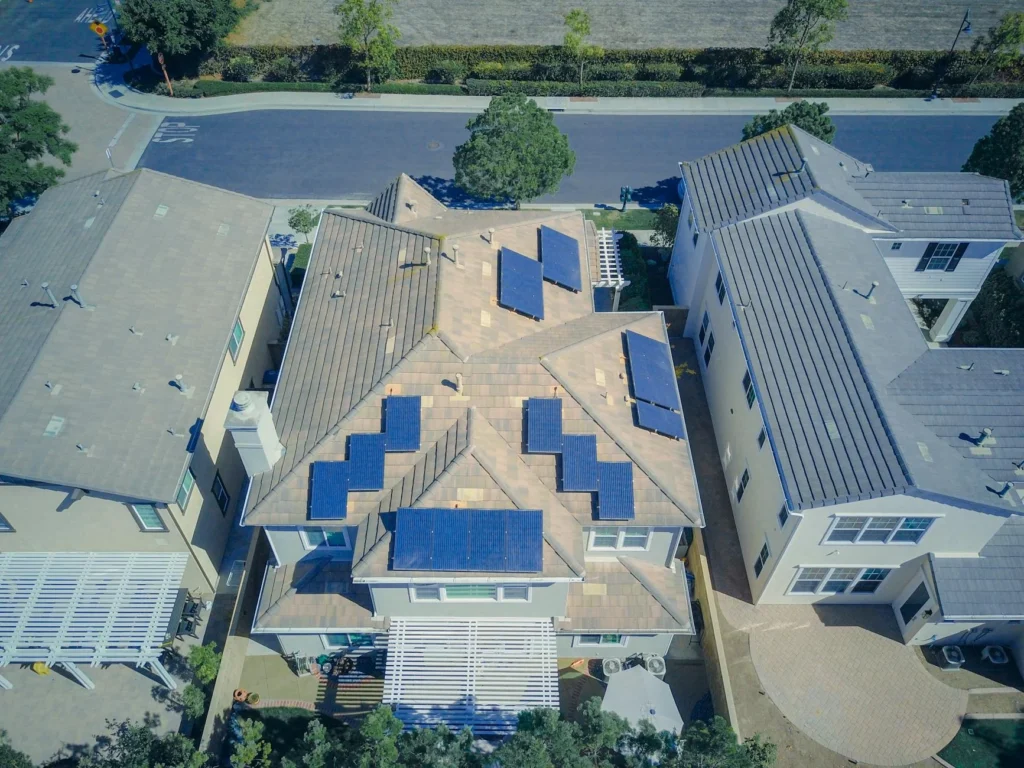
Price Table: Estimated Solar Installation Costs in 2026
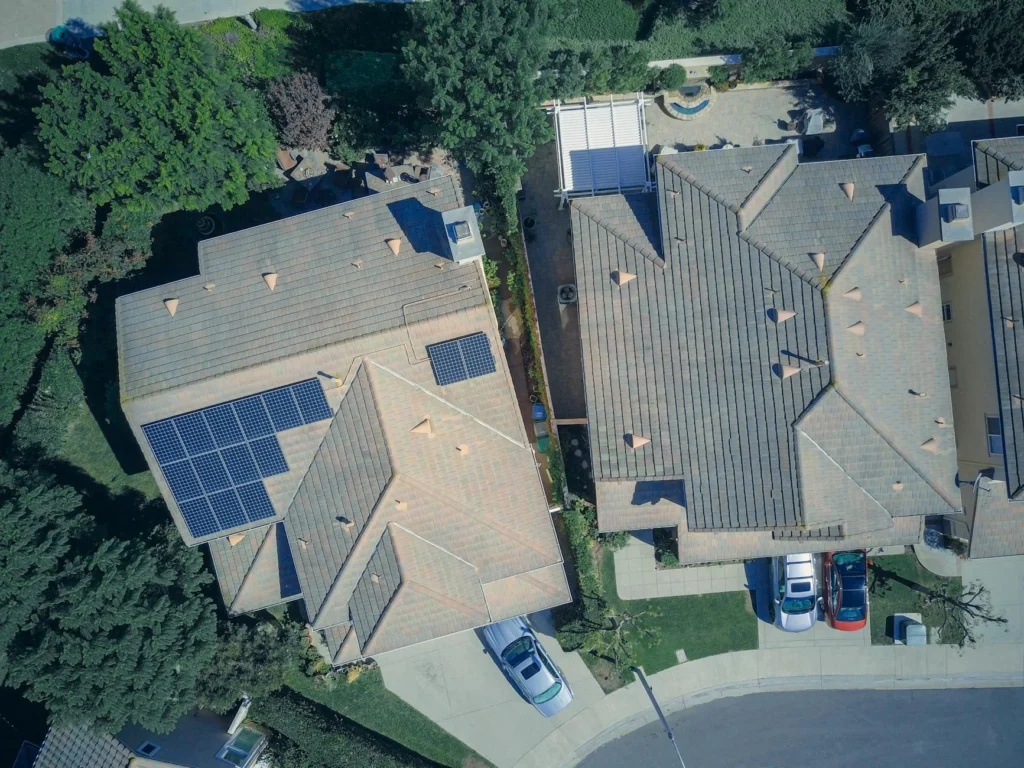
Note: These are estimated ranges for a typical residential system (6-10 kW) in 2026. Actual costs will vary significantly based on your location, system size, chosen equipment quality, installer, and specific home requirements.
| Item/Service | Estimated Range (USD) | Notes | |
|---|---|---|---|
| ⚡️ | Solar Panels (Modules) | $6,000 – $15,000 | Includes high-efficiency monocrystalline panels. Price per watt continues to decrease. |
| 🔌 | Inverter(s) | $2,000 – $6,000 | Central string inverters or micro-inverters. Micro-inverters generally cost more but offer panel-level optimization. |
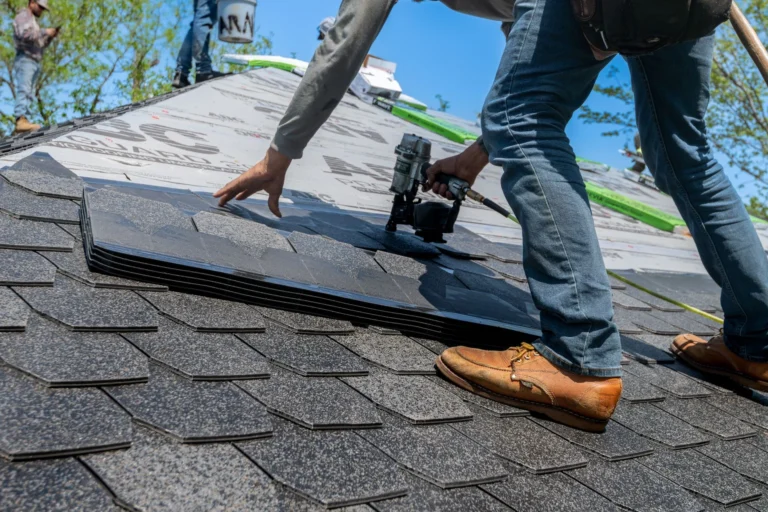
| 🏠 | Mounting Hardware & Racking | $1,000 – $3,000 | Secures panels to your roof. Materials vary based on roof type (shingle, tile, metal). |
| 🔋 | Battery Storage (Optional) | $8,000 – $20,000+ | Increasingly popular for energy independence and backup power. Cost depends on capacity and brand. |
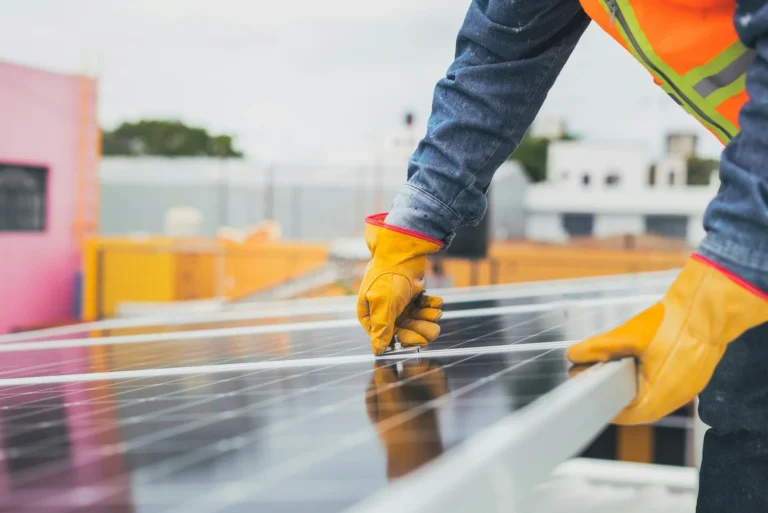
| ⚙️ | Installation Labor | $4,000 – $10,000 | Professional installation, including roof work, wiring, and system commissioning. |
| 📝 | Permits & Inspections | $500 – $2,500 | Varies by municipality and state. Essential for safety and compliance. |
| 📐 | System Design & Engineering | $500 – $1,500 | Custom design tailored to your home’s energy needs and roof specifics. |
| ⚡️ | Electrical Components & Wiring | $1,000 – $3,000 | Breaker boxes, wiring, conduits, and other necessary electrical upgrades. |
| 📶 | Monitoring System | Included (or up to $500) | Allows you to track production and consumption. Often integrated with inverter. |
| ✅ | Contingency/Miscellaneous | $500 – $2,000 | Unexpected costs or minor additions. |
| TOTAL (Before Incentives) | $24,500 – $65,500+ |
Maximizing Your Savings with Incentives in 2026
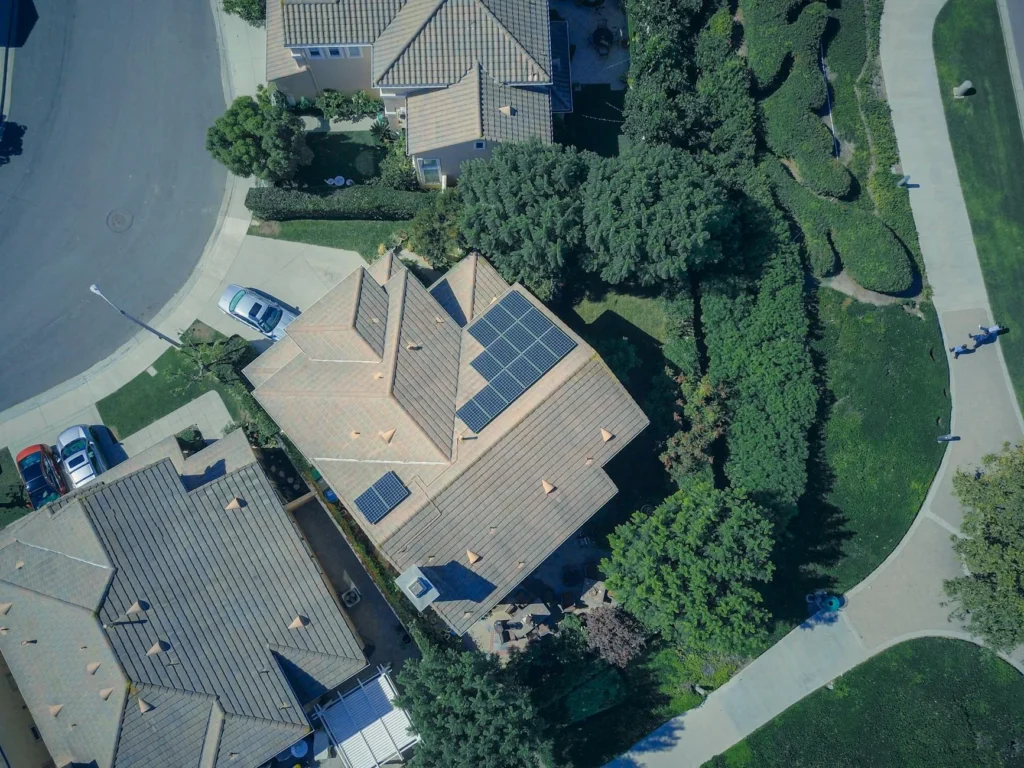
By 2026, federal incentives, like the Investment Tax Credit (ITC), continue to be a significant driver for solar adoption. This credit allows homeowners to deduct a percentage of their solar installation costs from their federal taxes. Beyond federal programs, many states and local municipalities offer their own incentives, including rebates, property tax exemptions, and performance-based incentives (PBIs) like Solar Renewable Energy Credits (SRECs).
It’s crucial to research what’s available in your specific area. A common mistake people make is overlooking local utility company programs, which can sometimes offer substantial rebates or favorable net metering policies. These policies allow you to sell excess electricity back to the grid, further reducing your monthly bills.
Choosing the Right Solar Installer
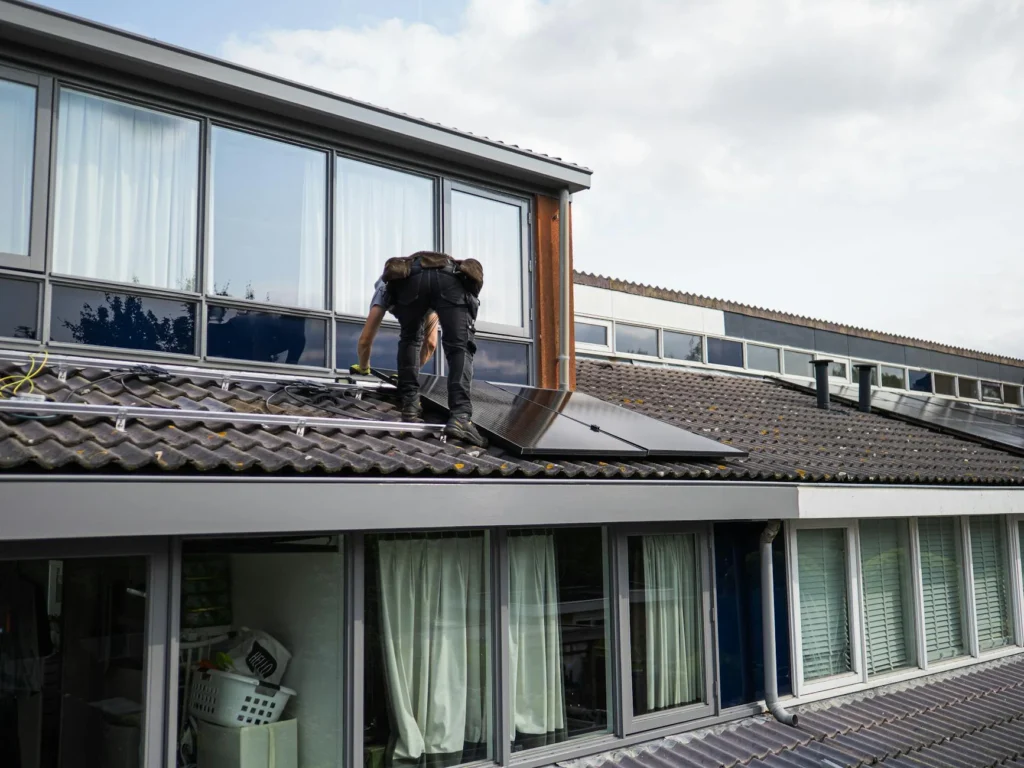
Selecting a reputable solar installer is just as important as choosing your panels. Look for companies with strong local references, proper licensing, and comprehensive warranties for both equipment and workmanship. Don’t simply go with the lowest bid; the cheapest option can often mean lower quality components or a less experienced installation team, leading to headaches down the line. Get multiple quotes, understand what’s included in each proposal, and ask about their customer service and support after installation.
Frequently Asked Questions
How long do solar panels typically last in 2026?
Modern solar panels are built to last. Most manufacturers offer performance warranties of 20-25 years, guaranteeing a certain output percentage for that duration. Many systems continue to operate efficiently well beyond that timeframe.
Is battery storage a necessity for a new solar system?
Not always, but it’s increasingly recommended. While net metering allows you to send excess power back to the grid, battery storage provides true energy independence. It ensures you have power during outages and allows you to store surplus energy for use at night or during peak-rate periods, optimizing your energy consumption and potentially saving more money.
What kind of maintenance do solar panels require?
Solar panel systems are generally low-maintenance. Occasional cleaning (1-2 times a year) to remove dirt, dust, or pollen is usually sufficient, especially in dry climates. Most systems have monitoring capabilities that alert you to any performance issues, and professional inspections every few years can ensure everything is running optimally.
Images sourced from Pexels.